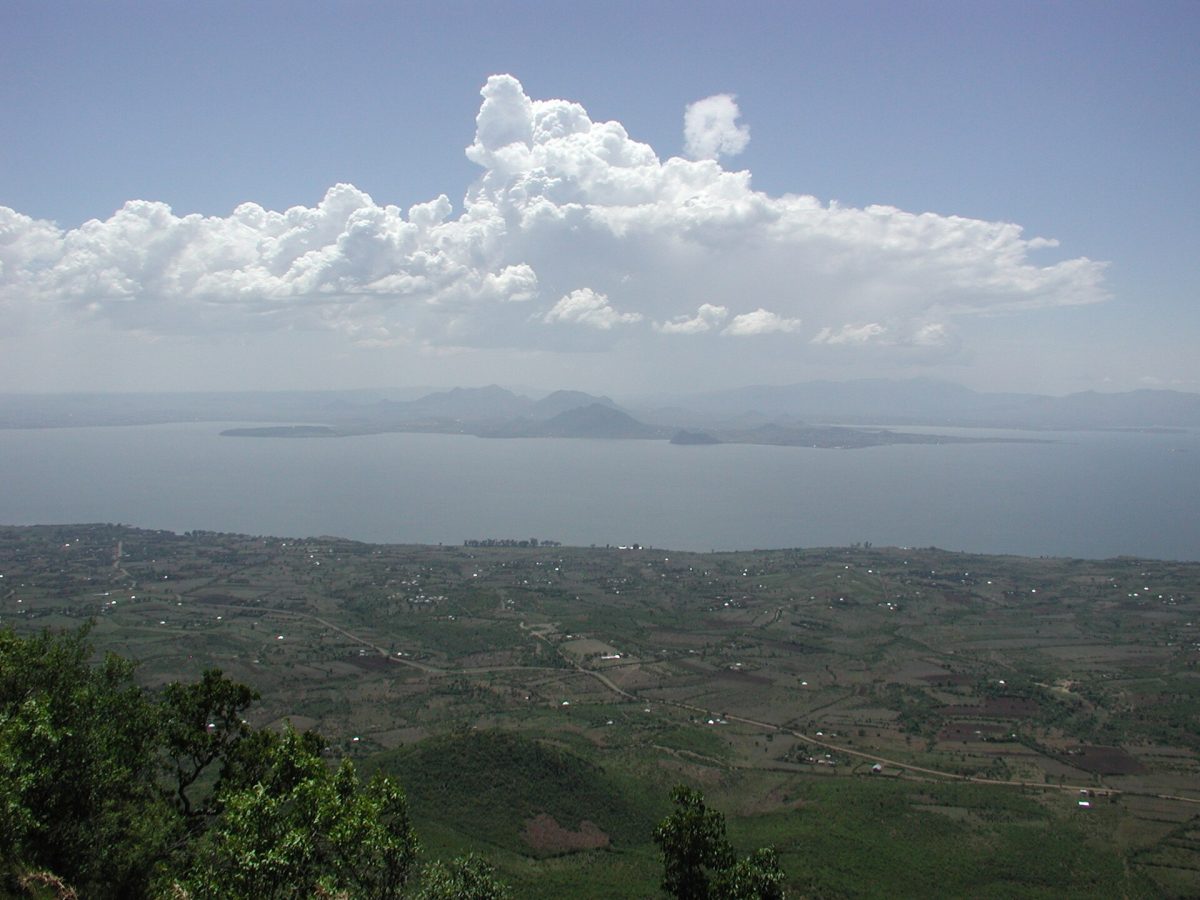
Lake Khoma-Bay
Kenya · 1 place
Photo: Valerius Tygart, CC BY-SA 3.0
Homa Bay: Where the Land Meets Lake Victoria
Homa Bay lies where the earth flattens into Lake Victoria. The roads are unpaved, used by motorbikes, trucks carrying fish, and women with baskets balanced on their heads. The hills roll down to the water, so vast the horizon fades into mist. The Luo people call it Nyanza, a name tied to generations who’ve lived along its shores.
Fishing defines the town. At dawn, boats return with Nile perch, tilapia, and catfish. Women in colorful kangas lay out the day’s catch on mats while buyers negotiate prices. Some fish will feed families in Nairobi; others will reach markets in Europe. By the jetties, fishermen repair nets and talk, their voices blending with the waves. At dusk, lanterns glow on the water as crews finish their work.
Tourists rarely visit. There are no resorts or nightclubs—just small guesthouses and homes where strangers are offered tea or ugali with fish. If you stay, you’ll notice the pace: slow, deliberate, unhurried.
Beyond the town, Ruma National Park stretches across grasslands. Roan antelopes and giraffes move through the quiet, while birds circle overhead. The Homa Hills rise nearby, once mined for gold, now grazed by cattle. From the summit, the lake spreads out, its color shifting from silver to blue to violet as the day passes.
The sky here feels closer. The lake changes with the light. Homa Bay doesn’t try to be anything other than what it is: a place shaped by water, time, and the people who call it home.
Stay
0 placesNothing in this category yet — the catalogue is still growing.
All placesPlaces on the map
Marker colour follows the categoryClimate and weather
Detailed weather: Lake Khoma-Bay- Average temperature
- 23 °C
- Precipitation per year
- 964 mm
Average air temperature
°C
23
24
24
23
23
23
23
23
23
23
23
23
Jan
Feb
Mar
Apr
May
Jun
Jul
Aug
Sep
Oct
Nov
Dec


