Ruma National Park is one of Kenya’s last quiet corners, where the land feels untouched and the presence of people fades into the background. Tucked away in the country’s western reaches, not far from the shores of Lake Victoria, the park unfolds across rolling savannahs, dense thickets, and scattered patches of woodland. There are no crowds here, no fleets of safari vehicles, no guides competing for attention—just open space, silence, and wildlife living by its own rhythms.
The park’s origins stretch back long before its official founding in 1966. For generations, these lands were part of the traditional hunting grounds of the Luo people, who have always held a deep connection to the natural world. Later, under British colonial rule, the area was designated a game reserve, and after Kenya gained independence, it became a national park. Today, Ruma is more than just a protected area; it’s a place where the ecosystem has slowly begun to heal after decades of human interference.
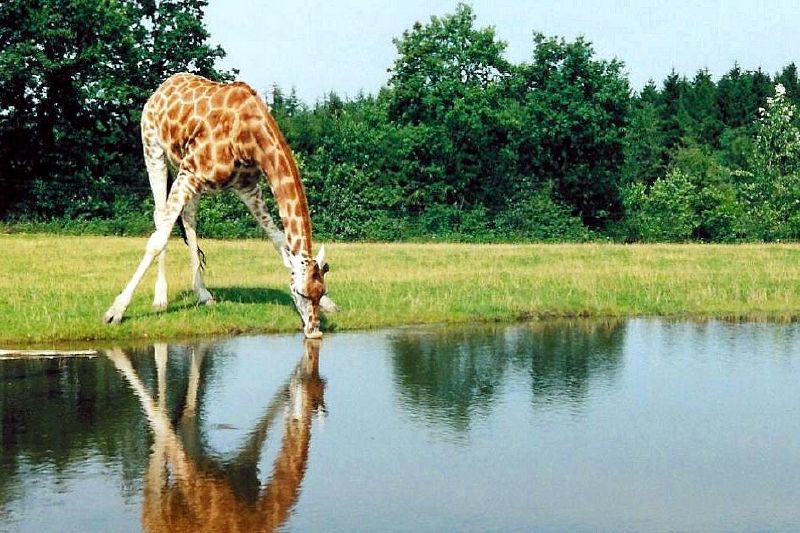
What sets Ruma apart is its rare wildlife. The park is home to the roan antelope, a striking subspecies with long, curved horns and a reddish coat, found in only a handful of places across Africa. These graceful animals have become a symbol of the park. But they’re not alone—giraffes, zebras, and buffalo roam the grasslands, while predators like leopards and hyenas move through the shadows. Birdlife is just as rich, from the vivid flashes of weaver birds to the soaring silhouettes of eagles against the sky.
The landscapes here are as compelling as the animals that inhabit them. Gentle hills covered in tall grass give way to valleys where small rivers wind through the terrain, and acacia thickets offer shade in the heat of the day. The Langa River, which cuts through the park, is a lifeline for wildlife, its banks teeming with activity. During the rainy season, the savannah transforms—grass turns a lush green, and the air fills with the scent of blooming plants. The park is at its most beautiful then, though the roads can become nearly impassable, turning travel into a slow, deliberate journey.
Visiting Ruma isn’t the polished safari experience found in Kenya’s more famous parks. There are no luxury lodges or scripted tours, just the raw, unfiltered presence of the wild. The roads are rough, often little more than dirt tracks, and a four-wheel-drive vehicle is essential. Local guides, who know the terrain intimately, can lead visitors to spots where wildlife sightings are more likely. But even if the animals stay hidden, the sheer act of being here—far from the usual tourist routes—leaves a lasting impression.
Despite its remoteness, Ruma plays a crucial role in preserving the region’s biodiversity. The park provides a sanctuary for species threatened by habitat loss, and conservation efforts aim to protect it from poaching and deforestation. For the surrounding communities, the park is a source of employment and a growing draw for eco-tourism, which has become an increasingly important part of Kenya’s economy.
The atmosphere in Ruma is one of quiet and openness. There’s none of the hustle found in places like the Maasai Mara or Amboseli. Time moves differently here, each moment carrying the possibility of an encounter with the wild. The sunsets are particularly striking, painting the sky in shades of orange and violet as animals gather at watering holes. It’s a scene that lingers in memory long after leaving.
For those seeking something beyond the usual tourist trail, Ruma offers a rare authenticity. It’s a place to step away from the noise of modern life, to camp under a vast, star-filled sky, and to listen to the sounds of the savannah at night. There are no frills here—just the land, the animals, and the quiet understanding of how fragile and resilient the natural world can be. It may not be the easiest journey, but it’s the kind that stays with you.