Wangama
Tanzania · 1 place
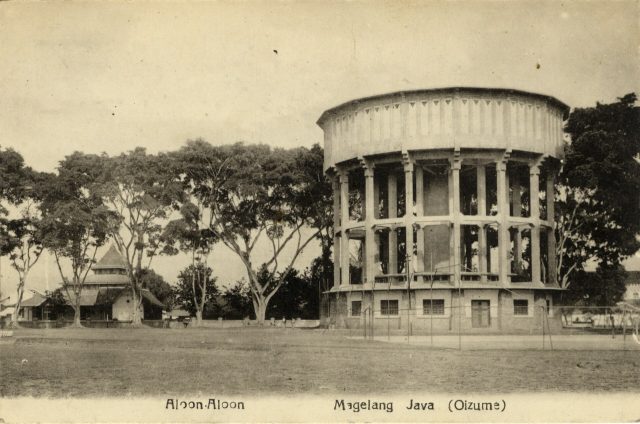
Photo: Richard Mortel from Riyadh, Saudi Arabia, CC BY 2.0
Wangama
Wangama is a town in southern Tanzania, where the savanna meets low hills. The pace here is different—no tourist crowds, no city noise. Days follow the land’s rhythm: sunrise, sunset, shifting seasons, and herds moving across the plains.
The landscape changes with the light. Acacia trees stand scattered, their shapes shifting as the sun moves. After rain, the savanna turns green, attracting antelope, zebras, and sometimes elephants near the town. The Makonde people, who have lived here for generations, farm maize, cassava, and beans. They raise goats and cattle, and at the market, they sell fresh produce, spices, and handmade crafts—wooden carvings, woven baskets, and beaded jewelry made under the trees.
Mornings in Wangama start early. Roosters crow, woodsmoke rises as women cook ugali over fires. By midday, children return from school, elders rest under trees, and men drink tea, talking. Evenings bring music from local bars, where people dance and share stories.
There are no luxury hotels here, just guesthouses with simple rooms and home-cooked meals. If you want to see Tanzania beyond guidebooks, Wangama offers something real. Walk with herders leading cattle to water. Follow women carrying jerrycans to the well. Hike the nearby hills for views of the savanna and distant mountains. The open-air museum displays tools and household items from generations past.
Wangama isn’t for those who want excitement or luxury. It moves to its own rhythm, untamed and slow. There are no crowds, no staged experiences—just daily life as it is. If you slow down, you’ll see Africa without the gloss of tourism.
Stay
0 placesNothing in this category yet — the catalogue is still growing.
All placesPlaces on the map
Marker colour follows the categoryClimate and weather
Detailed weather: Wangama- Average temperature
- 20 °C
- Precipitation per year
- 704 mm
Average air temperature
°C
21
21
21
21
20
19
18
19
20
22
23
22
Jan
Feb
Mar
Apr
May
Jun
Jul
Aug
Sep
Oct
Nov
Dec