Wałbrzych
Poland · 8 places
Photo: Yarl, CC BY-SA 3.0
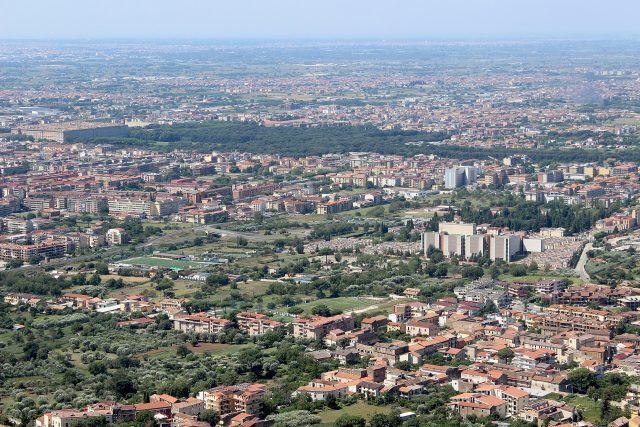
Walbrzych sits in the foothills of the Sudetes. History lingers here like the scent of damp earth after rain. The city doesn’t demand attention—it simply exists, shaped by centuries of slow change. Medieval fortifications stand alongside the skeletal remains of its industrial past. There’s no spectacle, just the quiet rhythm of a town that has seen empires rise and fall.
This was Silesia’s coal country. The earth yielded black gold, powering Europe’s factories. The mines are silent now, but their legacy remains in sturdy brick buildings and the old Julia Mine. Descend into its tunnels, and the cold, damp air carries the faint tang of coal. The walls whisper stories of men who worked underground, their labor etched into the stone.
The old town is small. The market square is lined with pastel-colored houses, their facades weathered but proud. The town hall’s clock has marked the hours for generations. Nearby, the Church of St. Anna stands, witnessing weddings, funerals, and daily prayers. In spring, chestnut trees bloom, their flowers drifting onto sidewalks. Autumn turns the streets gold and russet. Locals stroll, stopping for coffee and pastries in corner cafés.
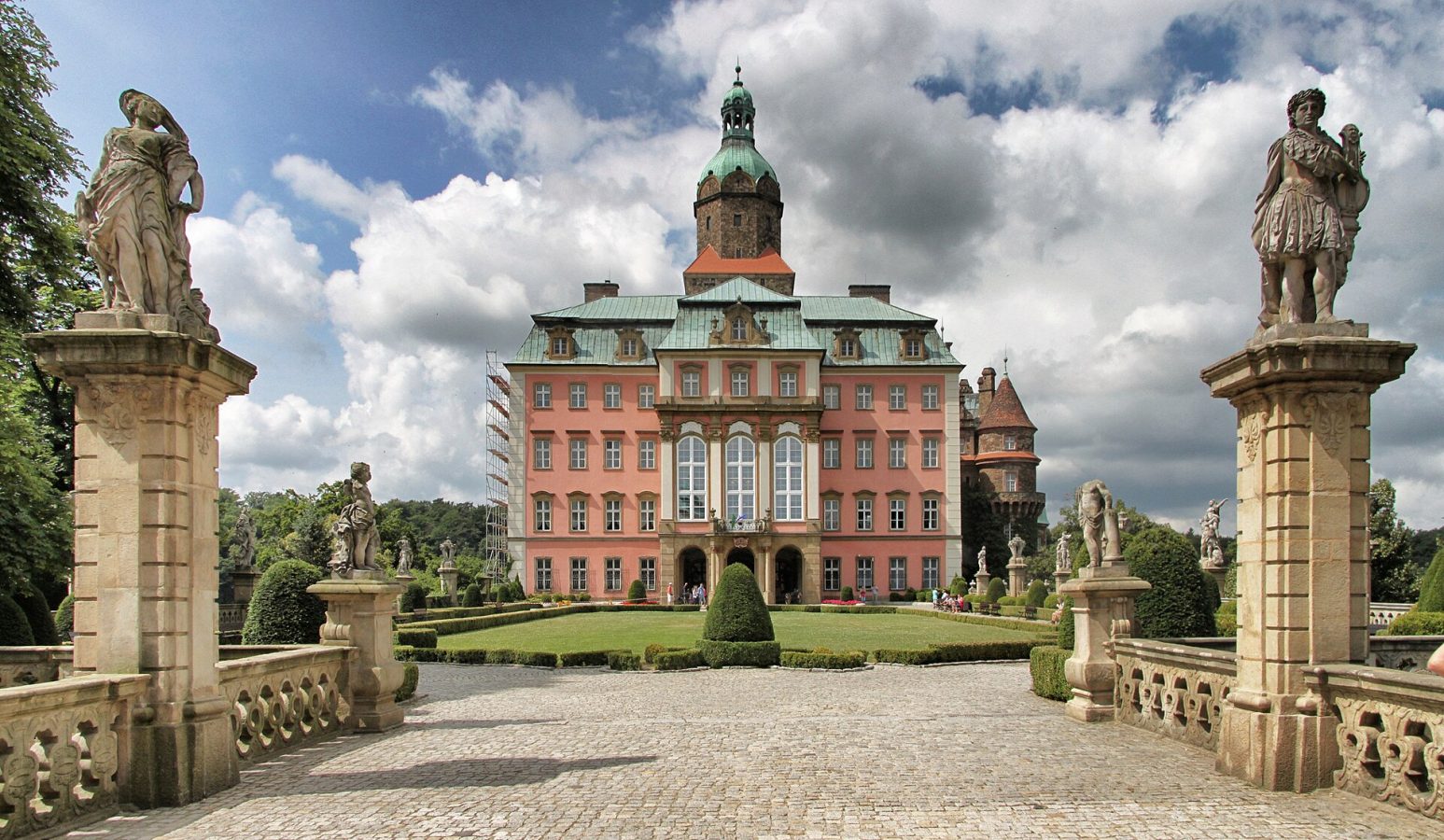
Beyond the city, the Sudetes rise. Forests shift with the seasons. Hiking trails wind through valleys and up to rocky outcrops, where views stretch for miles. Cyclists weave along paths in summer; skiers take the slopes in winter. The ruins of Książ Castle cling to the hillside, its towers and walls part of the region’s noble past. Nearby, thermal springs bubble up from the earth, offering warmth in a landscape shaped by industry and nature.
Walbrzych doesn’t try to impress. There are no grand monuments, just quiet streets, rustling trees, and old fountains. Time moves slower here. It’s a place for those who prefer the gentle hum of everyday life.
Eat & Drink
0 placesNothing in this category yet — the catalogue is still growing.
All placesPlaces on the map
Marker colour follows the categoryClimate and weather
Detailed weather: Wałbrzych- Average temperature
- 8 °C
- Precipitation per year
- 610 mm
Average air temperature
°C
-2
-1
3
8
13
16
18
18
13
9
4
-1
Jan
Feb
Mar
Apr
May
Jun
Jul
Aug
Sep
Oct
Nov
Dec