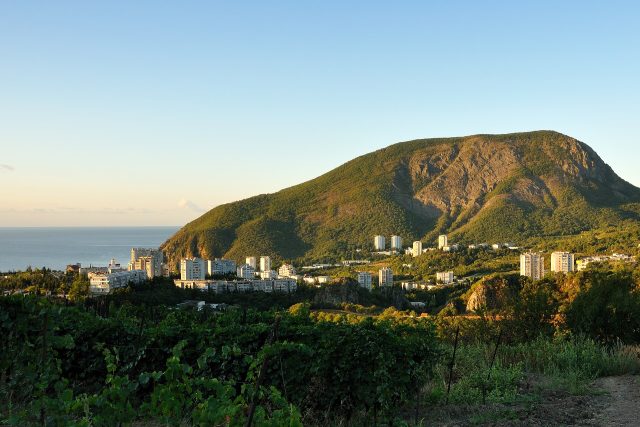
Valencia
Venezuela · 8 places
Photo: Ccmaracay2, Public domain
Valencia sits in a fertile valley where the Andes gently give way to rolling plains, its climate softer than the coastal heat. Unlike Caracas with its relentless energy or the beach towns that cater to visitors, this city moves at its own pace. Colonial echoes linger in the architecture, but daily life here feels unhurried, almost untouched by the rush of modern tourism.
Founded by Spanish settlers in the mid-1500s, Valencia grew into a key regional hub without ever losing its modest scale. Though it’s now Venezuela’s third-largest city, it doesn’t feel like a metropolis. The streets are wide, the traffic manageable, and the air carries the scent of coffee and fresh fruit from nearby markets. The central Plaza Bolívar, framed by low buildings with red-tiled roofs, is where life unfolds in quiet moments—locals chatting under the shade of trees, children playing near the fountain, the occasional street vendor setting up for the day. The cathedral beside it, with its whitewashed walls and simple facade, is a classic example of colonial design, though its interior feels surprisingly airy, bathed in natural light.
Industry has shaped Valencia’s identity. Factories and workshops provide jobs for much of the population, their smokestacks visible on the outskirts. Yet the city balances this with pockets of green—parks where families picnic on weekends, cafés serving strong local coffee, and fruit stands overflowing with mangoes and guavas. Just beyond the urban sprawl, the landscape shifts to gentle hills and lakes, their surfaces mirroring the sky. On clear days, the mountains in the distance seem close enough to touch.
For those curious about the region’s past, the Museum of Anthropology and History holds artifacts from pre-Columbian cultures—delicate pottery, stone tools, and jewelry that hint at the lives of indigenous tribes long before the Spanish arrived. Nature lovers, meanwhile, can head to Henri Pittier National Park, where trails wind through dense forests, waterfalls tumble over rocks, and rare birds flit between the trees. The park feels like a world apart, though it’s only a short drive from the city.
Valencia doesn’t try to impress visitors. There are no luxury resorts or flashy attractions, just the steady rhythm of a place that has found its own way of existing. It’s a city where history and modernity coexist without fanfare, where the days unfold without urgency but never without interest. If you want to experience Venezuela beyond the usual tourist path, this is where you’ll find it—not in grand gestures, but in the quiet, everyday moments that make a place feel real.
Stay
0 placesNothing in this category yet — the catalogue is still growing.
All placesPlaces on the map
Marker colour follows the categoryClimate and weather
Detailed weather: Valencia- Average temperature
- 27 °C
- Precipitation per year
- 725 mm
Average air temperature
°C
27
27
28
28
27
27
27
27
27
27
27
27
Jan
Feb
Mar
Apr
May
Jun
Jul
Aug
Sep
Oct
Nov
Dec