- Home
- Mesopotamia
- Ur

Ur
Mesopotamia · 7 places
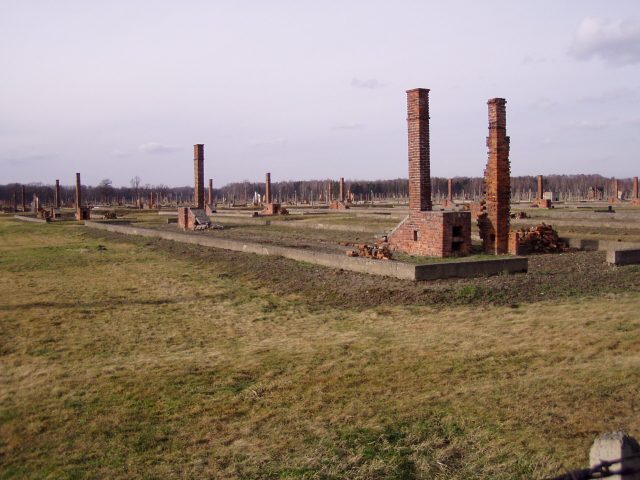
Photo: wikiwikiyarou, Public domain
Ur is a place where history isn’t a distant memory but something you can almost touch. In southern Iraq, where the Tigris and Euphrates once flowed, one of the world’s first cities began. Now, the ruins stand quiet—no crowds, no noise, just the remains of a civilization that outlasted empires. The same streets Sumerians walked five thousand years ago are underfoot, and the air carries the same dry heat that baked their temples. The Bible calls it Abraham’s birthplace, and traces of its past grandeur remain: a ziggurat’s skeleton, palace outlines, crumbling walls.
The ziggurat of Ur, built for Nanna, the moon god, is the most striking ruin. Though weathered, its stepped pyramid of sun-baked brick still rises from the desert, a monument to ambition. Once covered in fired clay, its surfaces now show time’s marks, but it remains a symbol of Sumerian power. Around it, foundations of homes, workshops, and temples suggest what once filled these spaces. Archaeologists find clay tablets with cuneiform, seals, and everyday objects—pieces of daily life in a city that was both a religious center and a trade hub. You can almost see Ur at its height: caravans arriving, priests climbing the ziggurat’s steps under the sun.
Nearby, the modern settlement is quiet. People farm and trade, with tourism a rare event. The Euphrates, shifted from its ancient path, still waters the land, though more gently now. Sometimes scholars and travelers visit, drawn by the chance to stand where writing began, where cities first took shape. For them, Ur isn’t just ruins—it’s history felt in the dust.
Visiting Ur isn’t about comfort. There are no hotels or cafes, just the stark desert landscape that has changed little over time. The heat, the wind, the sand—these are the same forces that shaped the people who built it. Standing here, you feel how fragile and enduring human achievement is. The city has seen rises and falls, yet it remains, a place to slow down and hear the past.
Eat & Drink
0 placesNothing in this category yet — the catalogue is still growing.
All placesPlaces on the map
Marker colour follows the categoryClimate and weather
Detailed weather: Ur- Average temperature
- 27 °C
- Precipitation per year
- 176 mm
Average air temperature
°C
13
15
20
27
33
38
40
40
36
29
20
15
Jan
Feb
Mar
Apr
May
Jun
Jul
Aug
Sep
Oct
Nov
Dec