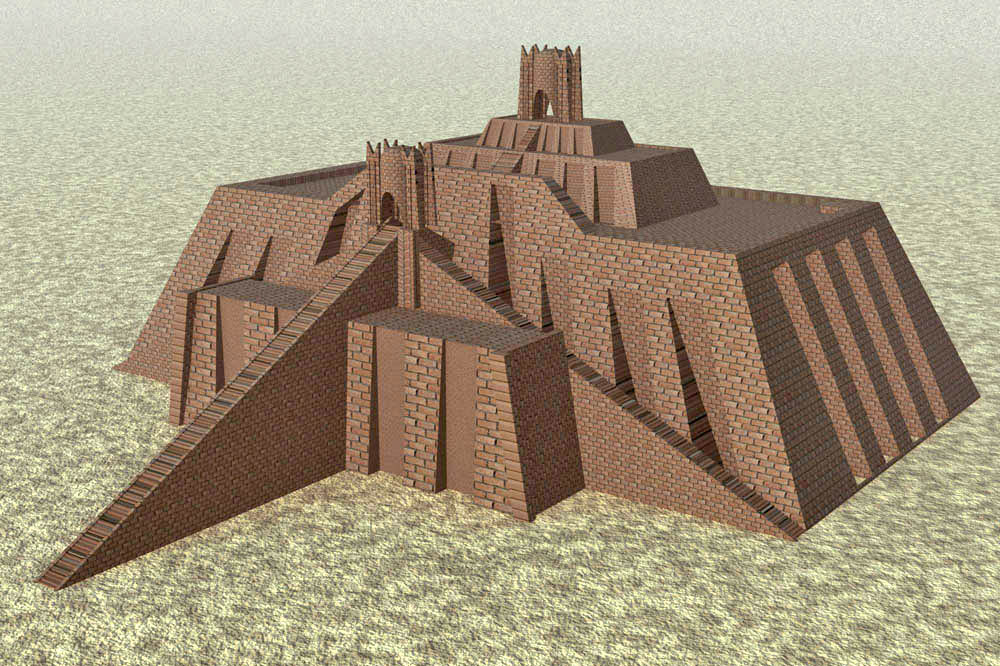
Weather overview
Ur lies in the heart of southern Iraq, where the climate is defined by long, scorching summers and mild winters. The weather in Ur shifts dramatically between seasons, with June through September bringing the most intense heat, often exceeding +40 °C. From November to March, temperatures become far more comfortable, ranging from +13 °C to +20 °C, making these months the most pleasant for exploring the ancient ruins.
Rainfall in Ur is sparse, with nearly all precipitation concentrated in the cooler half of the year. The driest period stretches from June to October, when rain is virtually nonexistent. If you prefer to avoid the peak heat, visiting Ur in March or November offers a balance of warm days and cooler evenings, with just enough rain to keep the landscape from becoming too parched.
Temperature
Temperatures in Ur follow a sharp seasonal curve, with winter months like January averaging +13.2 °C, while summer peaks in July and August at nearly +40 °C. The hottest days can push past +45 °C, particularly in June and July, when the sun is relentless. Evenings provide little relief during these months, as nighttime lows rarely drop below +30 °C.
Spring and autumn in Ur bring more moderate conditions. By March, the mercury climbs to +20 °C, and by April, daytime highs reach +32.6 °C. The transition into autumn is equally noticeable, with October still warm at +29 °C but far more bearable than the summer extremes. If you’re sensitive to heat, plan your visit to Ur for December through February, when temperatures hover between +7.5 °C and +20.6 °C.
| Month | Minimum | Maximum |
|---|---|---|
| January | 7.5 | 18.4 |
| February | 8.7 | 20.3 |
| March | 12.6 | 25 |
| April | 18.9 | 32.6 |
| May | 24.2 | 38.9 |
| June | 29.6 | 45.1 |
| July | 31.2 | 46.3 |
| August | 31.2 | 46.7 |
| September | 27.1 | 42.7 |
| October | 21.7 | 35.6 |
| November | 14.9 | 26.1 |
| December | 9.3 | 20.6 |
Precipitation
Rain in Ur is a rare event for much of the year, with the city receiving just 176 mm annually. The wet season is brief, spanning November to April, though even these months see only light rainfall. March and November are the wettest, with around 33 mm and 32 mm respectively, while June through September remain completely dry.
The lack of rain in Ur during the summer months means the landscape becomes arid, with dust and heat dominating the environment. If you visit during December or January, you might encounter a brief shower, but heavy downpours are uncommon. For those who prefer dry weather, the period from May to October guarantees no interruptions from rain, though the heat can be overwhelming.
| Month | Precipitation |
|---|---|
| January | 23.3 |
| February | 15.2 |
| March | 33.3 |
| April | 19.5 |
| May | 23.9 |
| June | 0 |
| July | 0 |
| August | 0 |
| September | 0 |
| October | 0.1 |
| November | 32.2 |
| December | 28 |
What to pack
Packing for Ur depends heavily on the season. From June to September, lightweight, breathable clothing is essential to cope with temperatures above +40 °C. A wide-brimmed hat, sunglasses, and high-SPF sunscreen will protect you from the intense sun, while a scarf or shawl can help shield your face from dust. Evenings remain warm, so a light jacket or long sleeves may suffice for comfort.
In the cooler months, from November to March, layers become more practical. Days in Ur during December or January can be mild, around +15 °C, but nights may dip to +7.5 °C, so a sweater or light coat is advisable. If you’re visiting in March or November, pack a mix of short and long sleeves, as temperatures fluctuate between +20 °C and +30 °C. Comfortable walking shoes are a must year-round, given the uneven terrain of the ancient sites.
| Month | Wind speed |
|---|---|
| January | 3.8 |
| February | 4.1 |
| March | 4.8 |
| April | 5 |
| May | 5 |
| June | 6.9 |
| July | 6.6 |
| August | 5.6 |
| September | 5.6 |
| October | 4.3 |
| November | 3.9 |
| December | 4 |

