Tamburco
Peru · 2 places
Photo: Wikimedia Commons, CC BY-SA 2.0
Tamburco sits quietly in the Peruvian Andes, a place most travelers overlook—and that’s precisely what makes it worth finding. Perched at around three and a half thousand meters above sea level, the town is cradled by rolling green hills and jagged peaks, where the air is thin and crisp, and the sky feels almost close enough to touch. Life here moves at the unhurried pace of the land itself: farmers tend to their fields of corn and potatoes, herders guide their livestock along dusty paths, and in the mornings, smoke curls from chimneys, drifting lazily over rooftops. There’s a sense that time here doesn’t rush—it lingers, deep and uncluttered, far from the noise of cities.
Unlike the well-trodden tourist hubs of Peru, Tamburco doesn’t put on a show. There are no luxury hotels or restaurants with menus in five languages, just narrow cobblestone streets winding between adobe houses that seem to grow from the earth itself. The locals, mostly Quechua, greet visitors with quiet warmth, especially if you make an effort to speak a few words in their language or offer a simple greeting. The town’s small plaza centers around a colonial-era church, where on Sundays, people gather for mass before lingering over cups of steaming herbal tea, chatting as the afternoon stretches on.
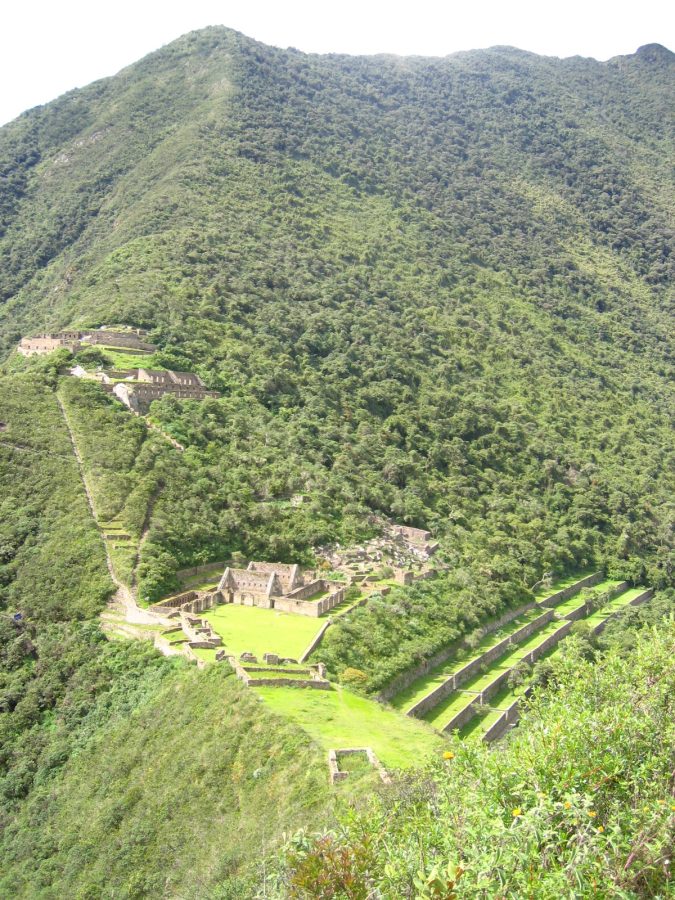
What draws people to Tamburco is its unfiltered connection to the Andes. From here, you can wander to high-altitude lakes where the water mirrors the sky, or follow ancient trails once used by the Inca, passing terraced fields that have stood for centuries. Local guides might take you to hidden hot springs to soak away the chill of a long hike, or point out wild vicuñas—elegant, elusive relatives of the llama—grazing on the slopes. The landscape is alive with alpacas and llamas, their soft bleats carrying on the wind as they move across the hillsides.
Evenings in Tamburco are simple but full of small pleasures. As the sun dips behind the mountains, the scent of cooking fills the air—hearty soups made with local potatoes and corn, grilled alpaca meat, or refreshing drinks from native fruits. In the little shops, you’ll find handmade woolen goods—sweaters, hats, and socks knit from alpaca wool, prized for its warmth and softness. These aren’t just souvenirs; they’re keepsakes of a place where life slows down enough to notice the details.
This isn’t a town for those seeking constant excitement or crowds. Tamburco is for travelers who want to pause, breathe, and listen—to the wind, to the silence, to the rhythm of a life that hasn’t changed much in generations. There’s no hurry here, no pressure to see or do. Just the quiet certainty that sometimes, the most memorable places are the ones that let you step out of time for a while. And perhaps that’s why those who visit once often find themselves returning, drawn back to the unhurried, unpolished beauty of the Andes.
Stay
0 placesNothing in this category yet — the catalogue is still growing.
All placesPlaces on the map
Marker colour follows the categoryClimate and weather
Detailed weather: Tamburco- Average temperature
- 18 °C
- Precipitation per year
- 1182 mm
Average air temperature
°C
18
17
18
18
18
17
17
18
19
19
20
19
Jan
Feb
Mar
Apr
May
Jun
Jul
Aug
Sep
Oct
Nov
Dec