Schwaz
Austria · 9 places
Photo: Wolfgang H. Wögerer, Wien, CC BY 3.0
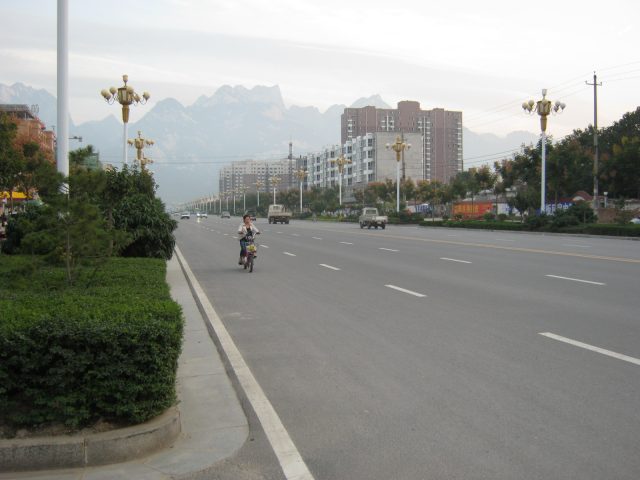
Schwaz sits quietly in the heart of Tyrol, where the Inn River carves its way through the valley and the Alps rise up on all sides. The mountains change with the seasons—snow-covered in winter, lush and green in summer—but the town itself feels timeless. Its narrow streets wind past old houses with carved wooden balconies, their facades still bearing the marks of centuries gone by. There’s no rush here, no tourist crowds, just the easy rhythm of a place that has always been more about living than performing for visitors. The air smells of fresh bread from the bakeries and the faint tang of pine from the surrounding forests, while the sound of church bells drifts over the rooftops at odd hours of the day.
The town’s history is written in silver. In the Middle Ages, Schwaz was one of the wealthiest places in the region, its fortunes built on the mines that honeycombed the mountains. Merchants and miners flocked here from across Europe, turning the town into a bustling hub of trade and industry. Today, the Silver Mine offers a glimpse into that past. Visitors descend into the damp, narrow tunnels where miners once worked by candlelight, their picks echoing against the rock. Above ground, the old mining quarter has been preserved, with workshops and small shops selling handmade goods, but the real draw is underground—the way the flickering lanterns cast shadows on the rough walls, making the past feel almost tangible.
Yet Schwaz isn’t just a relic of history. It’s a place where life moves at its own pace, whether that means hiking through alpine meadows in summer or skiing the nearby slopes in winter. The Inn Valley is crisscrossed with trails for walkers and cyclists, while the surrounding peaks offer challenges for those who want them. When the snow falls, the town becomes a quiet base for exploring the region’s ski resorts, though Schwaz itself never loses its sleepy charm. Evenings are for lingering in cafés or strolling along the riverbank, watching the water reflect the last light of the day as the mountains darken.
There’s a distinctly Tyrolean feel to the town, one that lingers in the old taverns where musicians still play the zither and in the festivals that fill the streets with folk music and dancing. On market days, stalls sell everything from hand-forged ironwork to woolen socks knitted the old way. The bakeries are worth a visit too, especially for the famous Tyrolean dumplings or apple strudel, still made with local fruit and a touch of cinnamon. Even the simplest errand—buying bread or stopping for coffee—can turn into a small discovery, the kind that makes you slow down and pay attention.
Schwaz is well-placed for exploring the wider region. Innsbruck is just a short train ride away, and the Italian border isn’t much farther, but many people come here precisely because it doesn’t demand anything of them. There are no must-see attractions, no crowds, no pressure to fill the day with activities. Instead, there’s the riverbank to wander, the small local museum to browse, or a bench under an old chestnut tree where you can sit with a coffee and watch the world go by. The town doesn’t try to impress; it simply exists, content in its own quiet way, letting visitors find their own reasons to stay.
See & Do
All of them


Places on the map
Marker colour follows the categoryClimate and weather
Detailed weather: Schwaz- Average temperature
- 10 °C
- Precipitation per year
- 990 mm
- Sunshine hours per day
- 5.6 h
Average air temperature
°C
-1
3
6
10
14
19
20
19
15
11
5
0
Jan
Feb
Mar
Apr
May
Jun
Jul
Aug
Sep
Oct
Nov
Dec