Supe Port
Peru · 3 places
Photo: Ministerio de la Producción, Public domain
Supe Puerto
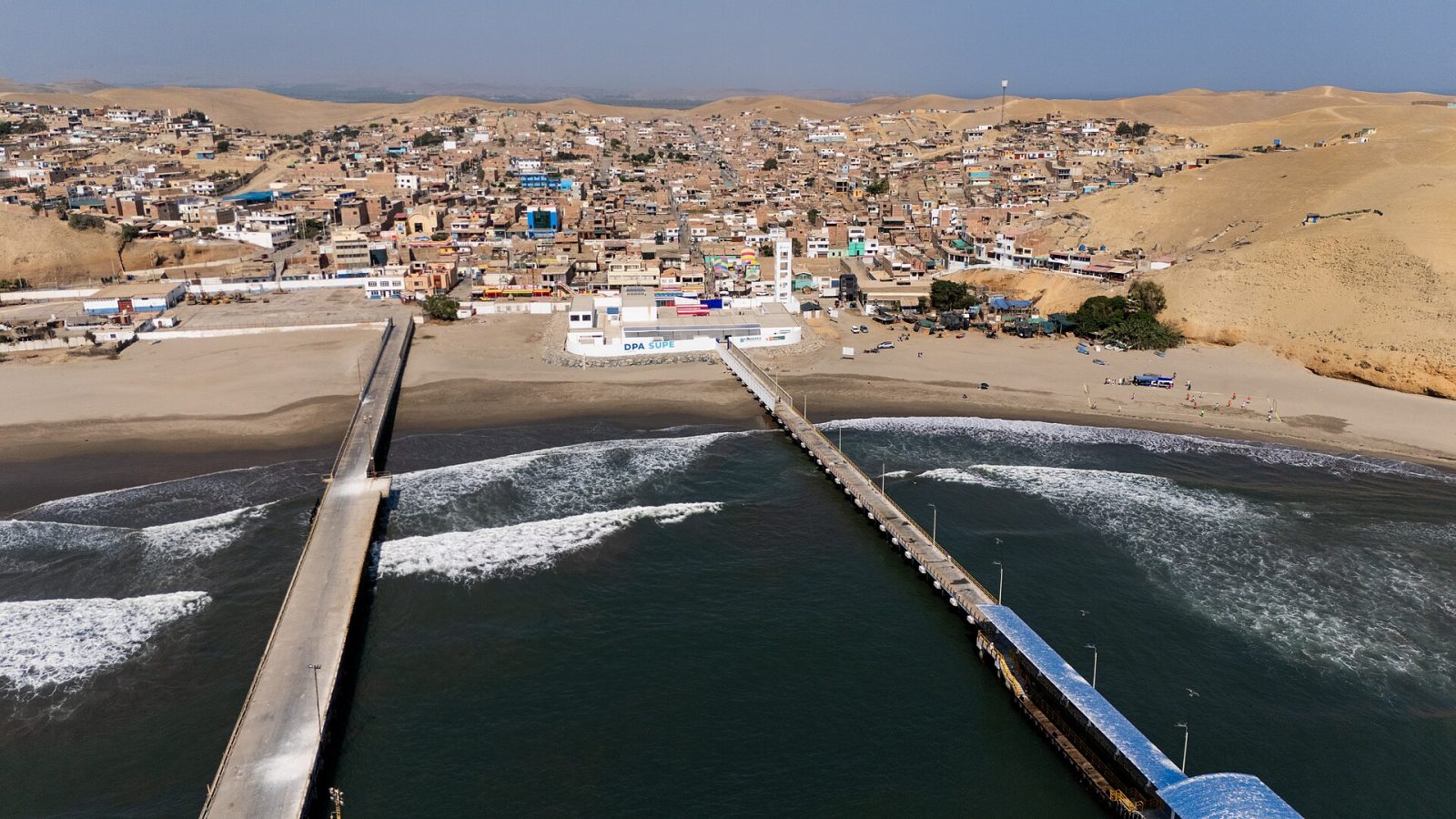
Supe Puerto sits where the Pacific meets the past, a quiet fishing town on Peru’s northern coast that most travelers overlook. The rhythm of life follows the tides—early mornings begin with fishermen unloading their catch along the waterfront, silver anchovies and shrimp glistening in the dawn light, the air thick with salt and seaweed. The horizon blurs into the cool mist carried by the Humboldt Current, and the only sounds are the crash of waves and the occasional cry of gulls.
Just beyond the town, the ruins of Caral tell a story older than the pyramids of Egypt. This sprawling archaeological site, nearly five thousand years old, predates the Inca by millennia. Its stepped pyramids, circular plazas, and irrigation systems still puzzle historians. In Supe Puerto itself, traces of the past linger—shards of ancient pottery half-buried in the sand on the town’s outskirts, or local legends retold over evening fires.
Life here moves at its own unhurried pace. The streets are narrow, lined with low-slung houses painted in faded blues, pinks, and yellows. The central plaza is small, anchored by a modest church where families gather on Sundays. By evening, teenagers kick a soccer ball around a dusty field nearby, their laughter mixing with the distant roar of the ocean.
The few restaurants serve food as straightforward as the town itself—ceviche so fresh it tastes like the sea, grilled sea bass with crisp skin, or a steaming bowl of shellfish soup, rich with garlic and lime.
The beaches here don’t look like postcards. The sand is black, coarse from ancient volcanic eruptions, and the wind whips across the shore, sending dry seaweed skittering along the dunes. The ocean shifts—gentle one moment, crashing against the rocks the next. Locals say sunset is the best time to walk the shore, when the sky turns burnt orange and violet, and pelicans glide low over the water.
There are no grand hotels, just simple guesthouses where you can fall asleep to the sound of waves and wake to fishermen mending their nets on the sand. Supe Puerto doesn’t try to impress. It exists as it always has, where the ocean, the past, and everyday life intersect without fanfare. For those who come this far, it offers something rare—a place untouched by mass tourism, where time feels both ancient and immediate.
Stay
0 placesNothing in this category yet — the catalogue is still growing.
All placesPlaces on the map
Marker colour follows the categoryClimate and weather
Detailed weather: Supe Port- Average temperature
- 20 °C
- Precipitation per year
- 33 mm
- Sunshine hours per day
- 1.5 h
Average air temperature
°C
23
24
23
22
19
18
17
17
17
18
19
21
Jan
Feb
Mar
Apr
May
Jun
Jul
Aug
Sep
Oct
Nov
Dec