Sungei Kadut
Singapore · 8 places
Photo: Boozoob (talk) (Uploads), Public domain
Sungei Kadut
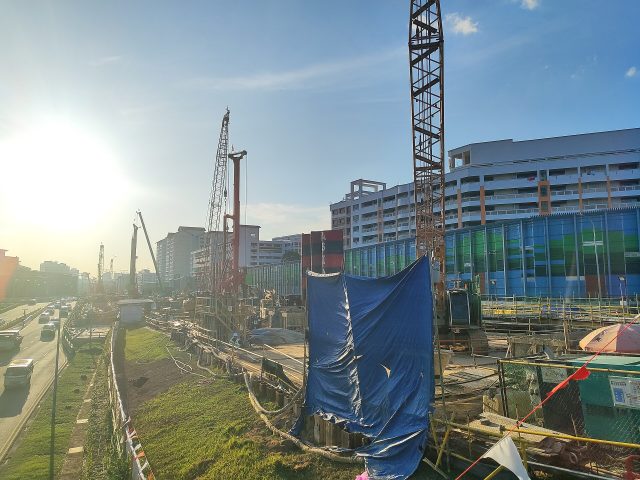
Most visitors to Singapore never see this place. No skyscrapers, no waterfronts, no tour groups. Instead, low-slung industrial buildings, warehouses, and workshops line the streets. The pace is slower here.
In the island’s north, Sungei Kadut was once farmland. Now it’s one of Singapore’s key industrial hubs. Furniture is made here. Timber is processed. Ships are built and repaired. Orchids are grown for florists worldwide.
The rhythm here is different. Mornings are busy—trucks delivering goods, workers heading to factories, the smell of fresh wood and paint in the air. By midday, the streets quiet down. Only the occasional motorbike or cart passes by.
Local eateries serve simple food: steamed rice with chicken, stir-fried noodles, vegetables in savory sauces. It’s quick, affordable, and filling.
The past lingers in small ways. Some old plantations now grow orchids and ornamental plants. A few farms let visitors walk between rows of blooms, learn about cultivation, or buy a bouquet straight from the field. Temples and prayer houses are scattered around, where locals pause before or after work.
This isn’t a typical tourist spot. No guided tours, no must-see attractions. Just a chance to see the Singapore that keeps the city running. If you visit at the right time, you might catch the end of a workday—workers gathering at bus stops or cafes, talking about their day.
The energy here isn’t loud. It’s quiet but real.
Even here, there are small discoveries. As evening comes, walk along the canal that gives the district its name—Sungei Kadut means "wooden river." Factory lights reflect on the water. Or step into a local shop selling tools, building materials, or handmade crafts. Each item tells a story of the everyday work that shapes the city. It’s the side of Singapore you rarely see.
See & Do
8 places


Places on the map
Marker colour follows the categoryClimate and weather
Detailed weather: Sungei Kadut- Average temperature
- 28 °C
- Precipitation per year
- 2415 mm
Average air temperature
°C
27
28
28
28
29
28
29
29
28
28
27
27
Jan
Feb
Mar
Apr
May
Jun
Jul
Aug
Sep
Oct
Nov
Dec