- Home
- Bangladesh
- Sylhet

Sylhet
Bangladesh · 8 places
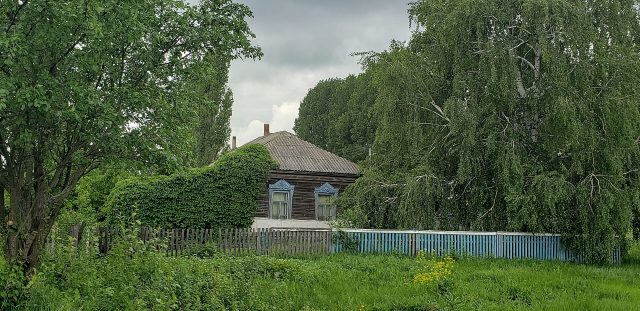
Photo: Adnan Wahid from Dhaka, Bangladesh, CC BY-SA 2.0
Sylhet sits in the northeastern corner of Bangladesh, where the land folds into gentle hills and the air carries the scent of damp earth and tea. It’s a place where time feels different—slower, softer, as if the mist that clings to the ridges in the morning has a way of stretching the hours. The city doesn’t announce itself with grand monuments or crowded streets; instead, it unfolds quietly, revealing layers of history and nature that feel almost accidental in their beauty.
This is a city shaped by movement. Centuries ago, traders from Persia and Arabia followed the old routes here, leaving behind traces of their languages in the local dialect and the intricate stonework of medieval mosques. The old quarters still hum with the rhythm of a place that has always been a crossroads—spice vendors call out prices in a mix of Bengali and Arabic, while the scent of cardamom and cloves drifts from open-air stalls. Nearby, Hindu temples stand beside Sufi shrines, their domes and minarets rising above the same narrow lanes where children play cricket in the evenings. The most revered of these is the mausoleum of Shah Jalal, a 14th-century saint whose arrival is woven into the city’s identity. Pilgrims come from across the country to pay their respects, their quiet prayers mingling with the sound of wind through the trees.
Beyond the city, the hills roll into endless waves of tea bushes, their emerald rows so precise they look like stitching on the landscape. Some of these plantations have been here for over a century, their leaves plucked by workers who move through the fields with practiced hands. The best time to visit is during the monsoon, when the air is thick with moisture and the hills vanish into the mist, only to reappear like a mirage. The tea here is strong, bright, the kind that lingers on the tongue—locals will tell you it’s among the finest in the world, though they say it with a shrug, as if the land itself is the real secret. Walking through the plantations, you can watch the leaves being sorted and dried, the whole process unfolding at a pace set by the seasons rather than the clock.
Sylhet is a city of contrasts, but not in the way that feels forced or jarring. Modern shopping malls stand a few streets away from crumbling Mughal-era mosques, and women in vibrant saris share the sidewalk with teenagers in ripped jeans. The food reflects this blend, too—steaming plates of rice and fish curry sit beside pizzas and burgers in the same small cafés, while street vendors sell everything from fresh pineapples to handwoven baskets. The city has its own pulse, one that doesn’t rely on tourists to keep it alive. There are universities here, a handful of theaters, and a small airport that connects to Dhaka and Chittagong, but the real energy comes from the everyday: the crowded markets where vendors haggle over prices, the parks where families picnic on weekends, the way the streets fill with music and laughter as the sun goes down.
What makes Sylhet special is how little it tries to be. There are no grand attractions competing for attention, no carefully curated experiences. Instead, it offers something rarer—a sense of place that feels unguarded. The tea gardens, the old mosques, the way the light slants through the trees in the late afternoon—none of it is staged. It’s just life, unfolding as it always has, in a corner of Bangladesh where the hills meet the sky and the past lingers in the air like the scent of rain on warm earth.
See & Do
8 places

Places on the map
Marker colour follows the categoryClimate and weather
Detailed weather: Sylhet- Average temperature
- 25 °C
- Precipitation per year
- 4773 mm
- Sunshine hours per day
- 5.6 h
Average air temperature
°C
18
20
24
26
27
28
29
29
29
27
24
20
Jan
Feb
Mar
Apr
May
Jun
Jul
Aug
Sep
Oct
Nov
Dec