Siem Reap
Cambodia · 9 places
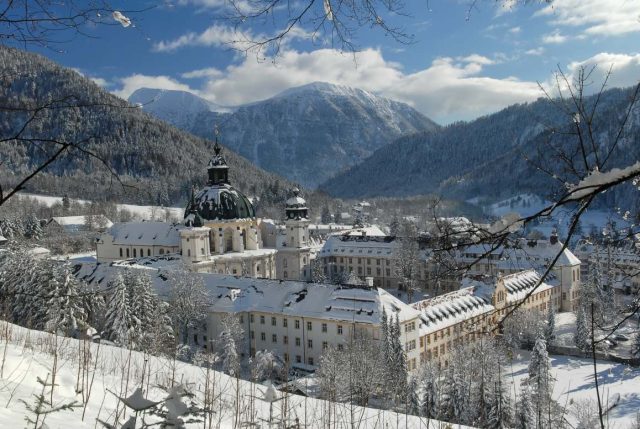
Photo: Gary Todd from Xinzheng, China, CC0
Siem Reap sits where the modern world brushes against something far older. The hum of motorbikes fades into the rustle of jungle leaves, where the ruins of an empire lie half-swallowed by time. Most visitors come for the temples, but many stay for the evenings along the riverfront, where the scent of grilled fish and frangipani lingers in the warm air. The pace here feels different—slower, softer, as if the hours stretch just a little longer.
The reason most people find their way to Siem Reap is Angkor. The vast temple complex sprawls across the countryside, a testament to the Khmer Empire’s grandeur. Angkor Wat, with its soaring towers and intricate carvings, is the most famous, but it’s only the beginning. Bayon’s stone faces gaze silently from every angle, their expressions unreadable after centuries. Ta Prohm, where massive tree roots coil around crumbling walls, feels like stepping into a forgotten world. The best time to explore is at sunrise, when the first light turns the ancient stones gold and the crowds haven’t yet arrived.
Beyond the temples, the city has its own rhythm. The streets near the center are lined with cafes and small guesthouses, their facades draped in bougainvillea. By evening, the riverfront comes alive—music spills from open-air bars, vendors arrange handwoven scarves and wooden carvings on blankets, and visitors settle into plastic chairs with cold coconuts or glasses of local beer. The night market is worth a visit, not just for the souvenirs but for the food. You might try amok, a fragrant coconut curry steamed in banana leaves, or crispy fried tarantulas if you’re feeling adventurous. The flavors are bold, the ingredients simple: fish from Tonlé Sap grilled with lime and chili, salads bright with fresh herbs, and prahok, the fermented fish paste that finds its way into nearly every meal.
Siem Reap’s cuisine carries traces of its past. The French left behind baguettes and coffee culture, and you’ll find both in the city’s bakeries and cafes. But the heart of Cambodian food lies in the street stalls and family-run restaurants, where recipes have been passed down for generations. There’s no need for fancy ingredients—just fresh produce, river fish, and a handful of spices that transform the simplest dishes into something unforgettable.
The land around Siem Reap is just as compelling as the city itself. Tonlé Sap, one of Southeast Asia’s largest freshwater lakes, lies a short drive away. During the dry season, the water recedes to reveal villages built on stilts, where families live in houses that float when the rains return. Fishermen cast their nets from slender wooden boats, and the lake’s flooded forests teem with birds. Nearby, nature reserves offer a glimpse of Cambodia’s wildlife—kingfishers dart between the trees, and if you’re lucky, you might spot a troop of monkeys swinging through the branches.
The real charm of Siem Reap isn’t in the grand sights but in the quiet moments. Wander down a side street and you’ll find a craftsman carving wood in the shade of a banyan tree. Sit at a roadside stall and watch the world go by. The city doesn’t rush, and neither should you. Here, life moves at its own pace, unhurried and unapologetic.
See & Do
9 places


Places on the map
Marker colour follows the categoryClimate and weather
Detailed weather: Siem Reap- Average temperature
- 28 °C
- Precipitation per year
- 1364 mm
Average air temperature
°C
26
28
29
30
30
29
28
28
28
28
27
26
Jan
Feb
Mar
Apr
May
Jun
Jul
Aug
Sep
Oct
Nov
Dec