Saadat Shahr
Iran · 8 places
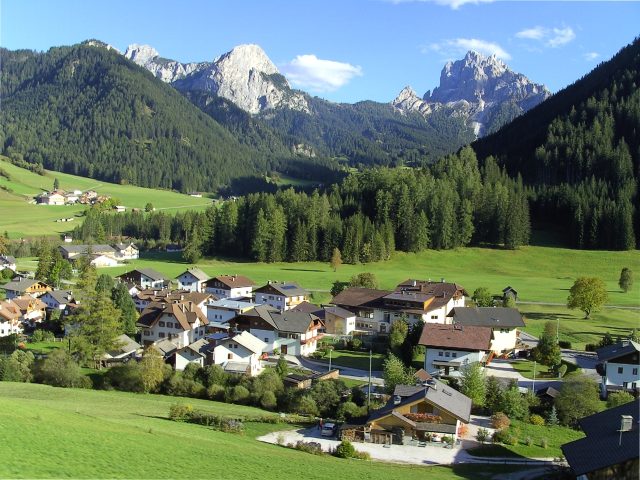
Photo: Soheil Callage, CC BY-SA 4.0
Saadat Shahr sits quietly in the southwest of Iran, far from the well-trodden paths of most travelers. There are no crowds here, no bustling bazaars or persistent guides offering their services. Instead, the city unfolds in a slow, unhurried rhythm, its narrow streets winding between low hills dotted with vineyards and orchards. The air carries the scent of spices and freshly baked bread, while in the evenings, smoke rises from grills where kebabs sizzle over charcoal. Life moves at its own pace, untouched by the rush of modern tourism.
The history of Saadat Shahr stretches back centuries, though no one can say exactly when it first took shape. What is known is that the city once served as an important stop along ancient trade routes connecting Persia to Mesopotamia. Caravans laden with silk, spices, and precious stones passed through here, and local artisans were renowned for their metalwork and pottery. The old quarter of the city remains largely unchanged, its stone-paved alleys leading to traditional houses with intricately carved wooden doors and inner courtyards where families still gather. Some of these buildings have stood for generations, and walking through them feels like stepping into another time.
Today, Saadat Shahr is a place where life moves deliberately. The main square, with its fountain and teahouses, is where locals come to drink tea, catch up on news, and play backgammon. The morning market offers everything needed for daily life—fresh produce, spices, dried fruits—and the food here is simple but flavorful. Lamb and rice dishes, seasoned with saffron and dried limes, are staples, along with sweets made from dates and nuts. Visitors are often welcomed with tea and flatbread baked in a traditional oven, a small but meaningful gesture of hospitality.
The landscape around Saadat Shahr is just as compelling as the city itself. Nearby mountain gorges shelter rare plants and birds, while the surrounding villages still use centuries-old irrigation systems. Locals take pride in their orchards and vineyards, where pomegranates, figs, and almonds thrive. During harvest season, families work together in the fields, and evenings are spent sharing meals under the open sky. It’s a way of life that has endured for generations, and those who visit are often invited to join in.
Saadat Shahr isn’t a place for those seeking grand attractions or luxury accommodations. There are no world-famous museums or awe-inspiring monuments here. Instead, the city offers something far more subtle: a chance to experience Iran as it truly is. You can wander its streets, browse small shops selling honey and spices, and listen to the stories of the people who call this place home. For those weary of the noise and pace of big cities, Saadat Shahr provides a quiet, authentic glimpse into provincial life. It’s not a destination for everyone, but for those who find beauty in simplicity, it’s a place worth discovering.
See & Do
All of them
Places on the map
Marker colour follows the categoryClimate and weather
Detailed weather: Saadat Shahr- Average temperature
- 20 °C
- Precipitation per year
- 274 mm
- Sunshine hours per day
- 9.2 h
Average air temperature
°C
7
10
14
19
24
30
32
30
27
20
13
9
Jan
Feb
Mar
Apr
May
Jun
Jul
Aug
Sep
Oct
Nov
Dec