- Home
- São Tomé and Príncipe
- São Tomé

São Tomé
São Tomé and Príncipe · 6 places
Photo: wsrolim, CC BY-SA 4.0
São Tomé moves to the rhythm of the ocean, not the clock. The seasons set the pace here, an island where Africa meets the Atlantic. That geography shapes everything—from the way the city is built to the daily habits of those who live in it.
The old center is a maze of narrow, cobblestone streets. They wind past faded colonial mansions with carved balconies and brightly painted shutters. These houses once belonged to Portuguese plantation owners. Now families live in them, and the ground floors have been turned into small shops. You’ll find fresh fish next to hand-rolled cigarettes. The air carries the scent of fried plantains and smoked fish, mingling with the salty breeze from the sea.
Mornings begin at the market. Women in headscarves sell breadfruit, cocoa beans, and spices brought in from the island’s interior. Fishermen return from their night’s work, their catch—tuna, barracuda, sometimes shark—gone by noon. By midday, the sun hangs overhead, and even the shade of the mango trees offers little relief. The city slows. People retreat to cool cafés for coffee and coconut pastries or sit on verandas, watching a car or motorbike crawl down the street.
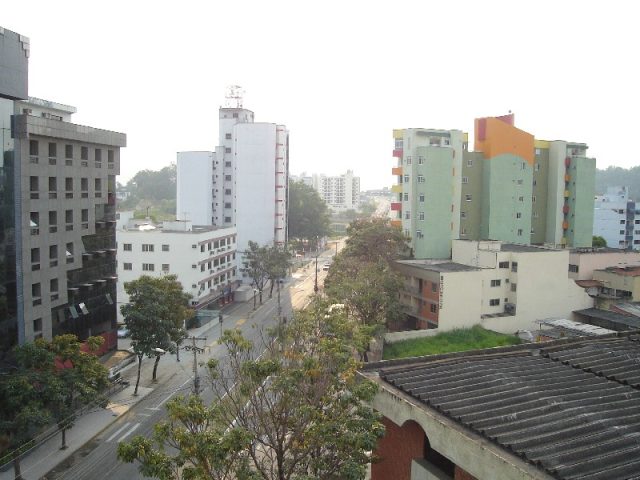
Not everything here is old. Banks and hotels rise beside crumbling colonial buildings. On the outskirts, corrugated iron shacks crowd together, home to those who’ve come from the countryside. The island isn’t wealthy—you see it in the patched-up roads, in the way people mend what they have. There are no luxury storefronts or shopping malls. Life unfolds at its own pace. Neighbors know each other. Children play in dusty lots until dusk. Adults gather over glasses of palm wine to talk.
When the heat eases, the waterfront comes alive. Some stroll along the shore. Others sit on benches watching the sunset paint the sky orange and violet. Music spills from the bars—African rhythms, Portuguese fado, modern beats. Local musicians gather for impromptu performances, guitars strumming in time with the waves. The city doesn’t sleep at night. It shifts into a different rhythm. Voices, laughter, the occasional dog bark—all blend into a soothing hum.
What São Tomé offers is this: a chance to step into the life of a small island nation. Time moves slowly. The ocean sets the beat.
Stay
0 placesNothing in this category yet — the catalogue is still growing.
All placesPlaces on the map
Marker colour follows the categoryClimate and weather
Detailed weather: São Tomé- Average temperature
- 26 °C
- Precipitation per year
- 1917 mm
Average air temperature
°C
27
27
27
27
27
26
25
25
26
26
26
26
Jan
Feb
Mar
Apr
May
Jun
Jul
Aug
Sep
Oct
Nov
Dec