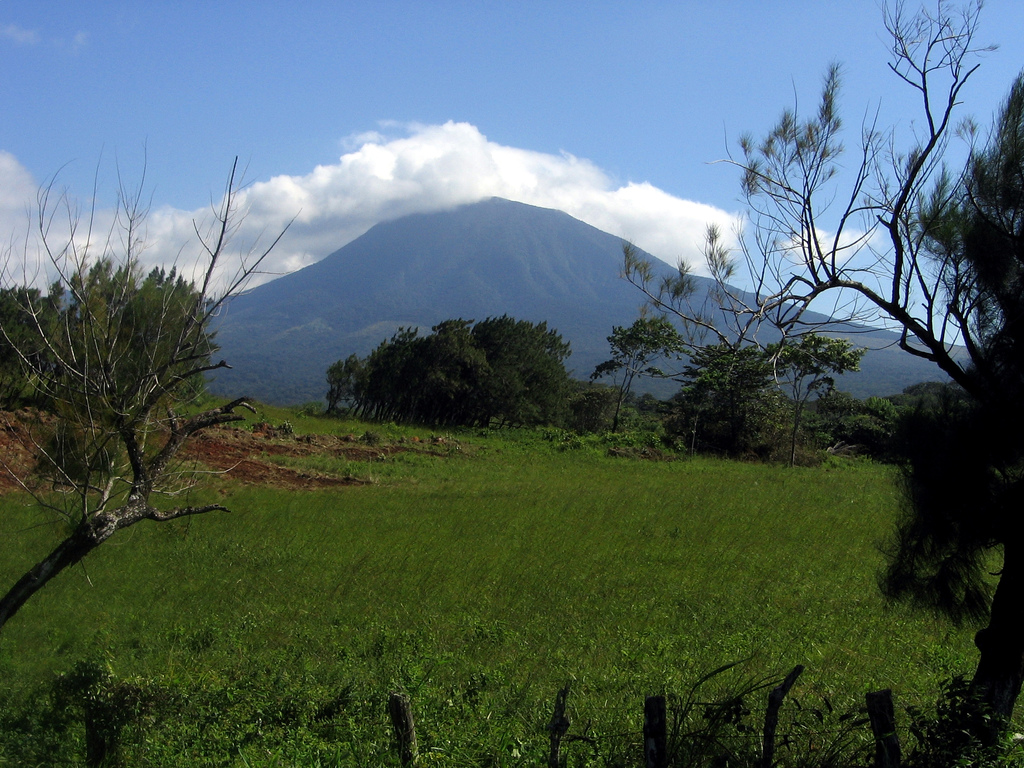
Weather overview
San José sits in the Central Valley of Costa Rica, where the climate stays mild year-round but shifts noticeably between dry and rainy periods. From January to April, the city enjoys its driest stretch, with warm days and cooler nights. The air feels fresh, and outdoor walks through San José’s parks or streets are especially pleasant.
By May, the rains begin to arrive, gradually increasing through June and peaking in September and October. While downpours can be heavy, they usually don’t last all day—mornings often start clear before clouds build in the afternoon. Even in the wettest months, San José rarely feels oppressive, thanks to its elevation and steady breezes.
The brief dry spell returns in December, making it one of the most popular times to visit San José. Crowds thin out after the holidays, and the city’s greenery stays lush from the earlier rains, offering a balanced mix of sunshine and comfortable temperatures.
Temperature
Daytime temperatures in San José hover between +26 °C and +30 °C for most of the year, with the warmest stretch from March to April, when highs can reach +35 °C. Nights are cooler, especially in the dry season, dipping to around +20 °C in January and February—a light jacket or shawl is useful after sunset.
The rainy season brings slightly lower daytime highs, averaging +27 °C in June and +26 °C in October, but the humidity makes the air feel warmer. Even in the coolest months, San José rarely drops below +19 °C at night, so air conditioning is more about comfort than necessity.
Temperature swings within a single day are modest, usually around 10–12 °C, so layers work well. The most stable warmth comes in March and April, while December and January offer the crispest evenings—ideal for exploring San José’s cafés or museums without overheating.
| Month | Minimum | Maximum |
|---|---|---|
| January | 19.7 | 33.7 |
| February | 20 | 34.7 |
| March | 20.4 | 35.7 |
| April | 21.4 | 36.2 |
| May | 22.7 | 34.7 |
| June | 22.4 | 32.4 |
| July | 22.2 | 33 |
| August | 22 | 33 |
| September | 21.9 | 32.1 |
| October | 21.9 | 31.3 |
| November | 21.4 | 31.5 |
| December | 20.3 | 33.1 |
Precipitation
The dry season in San José runs from January to April, with February often seeing less than 5 mm of rain. Even in March, when showers become slightly more likely, they’re brief and light. This is the easiest time to plan outdoor activities, whether it’s a day trip to nearby volcanoes or a stroll through San José’s historic districts.
Rainfall picks up sharply in May, jumping from 84 mm to 179 mm, and continues through November. The heaviest months are September and October, with over 250 mm each, but downpours are usually short-lived. Afternoon storms are common, so morning sightseeing is a reliable strategy.
December marks the return of dry weather, with only 15 mm of rain on average. The contrast between the wet and dry seasons is stark, but even in the rainiest months, San José doesn’t feel waterlogged—just greener and more vibrant. A compact umbrella or rain jacket is a smart addition to your bag from May onward.
| Month | Precipitation |
|---|---|
| January | 6.6 |
| February | 3.2 |
| March | 83.7 |
| April | 77.5 |
| May | 179.2 |
| June | 466.8 |
| July | 241.7 |
| August | 198 |
| September | 258.2 |
| October | 285.2 |
| November | 311.2 |
| December | 15.5 |
What to pack
For a trip to San José in the dry season, pack light, breathable clothing—think cotton shirts, shorts, and sandals for daytime, with a light sweater or scarf for cooler evenings. Sunglasses and a hat are useful year-round, but especially from January to April, when the sun feels strongest.
During the rainy season, quick-dry fabrics and a waterproof layer become essential. A foldable rain jacket or poncho is handy for sudden downpours, while sturdy shoes with good grip help on slick sidewalks. Even in June or October, mornings can be sunny, so layers let you adjust as the day shifts.
Comfortable walking shoes are a must no matter when you visit San José, as the city’s streets and attractions are best explored on foot. If you’re sensitive to temperature changes, a light jacket or shawl is useful for evenings, even in the warmest months. Mosquito repellent is worth packing, especially if you plan to venture into nearby nature reserves.
| Month | Wind speed |
|---|---|
| January | 5.4 |
| February | 6.2 |
| March | 5.6 |
| April | 4.4 |
| May | 3 |
| June | 2.4 |
| July | 3.1 |
| August | 2.6 |
| September | 2.1 |
| October | 2.1 |
| November | 2.7 |
| December | 4.2 |