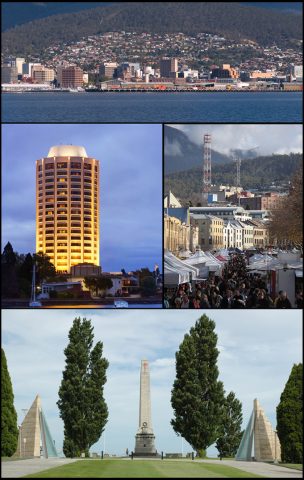
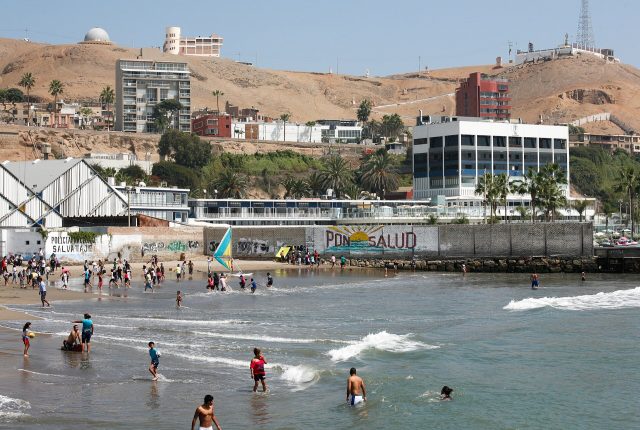
Salcajá
Guatemala · 6 places
Photo: Carlos López Mendizábal, GFDL
Salcajá is one of those quiet Guatemalan towns that most travelers overlook, tucked away in a valley between volcanoes where the air carries the scent of woodsmoke and freshly brewed coffee. There are no grand boulevards or tourist crowds here, just a slow, unhurried rhythm of life shaped by Mayan traditions and colonial history. The kind of place where the day’s highlights are a visit to the market, a conversation with neighbors in the plaza, or the simple act of watching the light change over the hills.
What Salcajá lacks in famous landmarks, it makes up for in its weaving traditions. For generations, local women have worked on backstrap looms, creating vibrant textiles that are far more than souvenirs—they’re woven into daily life. The fabrics, rich with deep reds, blues, and greens, are used for clothing, blankets, and bags, their patterns telling stories through geometric shapes, birds, or flowers. If you’re lucky, you might find a weaver at work in the central market, patiently guiding the threads, and some are even willing to let visitors try their hand at the craft. The colors are bold, the designs intricate, and each piece feels like a small piece of history.
The town itself is small enough to explore on foot in an afternoon. At its heart stands the colonial-era church of San Jacinto, its white facade and creaking wooden doors a quiet testament to the past. Inside, the air is cool and still, the scent of candle wax lingering in the dim light. The plaza beside it is where life unfolds—vendors selling produce, old men playing dominoes under the trees, children chasing each other across the cobblestones. On weekends, the square fills with activity, and it’s the best place to try local dishes like *pepian*, a thick stew of meat and pumpkin seeds, or *tamales* wrapped in banana leaves, their flavors as rich as the culture that created them.
Surrounded by rolling hills, Salcajá changes with the seasons. During the rainy months, the landscape turns lush and green, the earth damp underfoot. In the dry season, dust rises from the roads leading to small farms where corn, beans, and coffee grow. The locals often travel to nearby villages on *chicken buses*—repurposed American school buses painted in wild colors—turning even a short trip into an adventure. The roads wind through valleys, offering glimpses of mist-shrouded volcanoes in the distance, and the ride itself feels like a glimpse into the real Guatemala, far from the polished tourist trails.
There are no luxury hotels or fine-dining restaurants here, and that’s precisely the appeal. Visitors stay in family-run guesthouses, where hosts serve home-cooked meals and share stories over strong coffee. Nights are quiet, the only sounds the occasional bark of a dog or the distant rush of a river. By morning, the town wakes early—roosters crow, women head to the market, and the sun climbs over the hills, casting long shadows on streets where life moves at its own unhurried pace. It’s a place where the past and present coexist, and where the simplest moments often leave the deepest impression.
Eat & Drink
0 placesNothing in this category yet — the catalogue is still growing.
All placesPlaces on the map
Marker colour follows the categoryClimate and weather
Detailed weather: Salcajá- Average temperature
- 14 °C
- Precipitation per year
- 2392 mm
Average air temperature
°C
12
13
14
15
15
15
15
15
15
14
13
12
Jan
Feb
Mar
Apr
May
Jun
Jul
Aug
Sep
Oct
Nov
Dec