- Home
- South Africa
- Rudepurth
Rudepurth
South Africa · 1 place
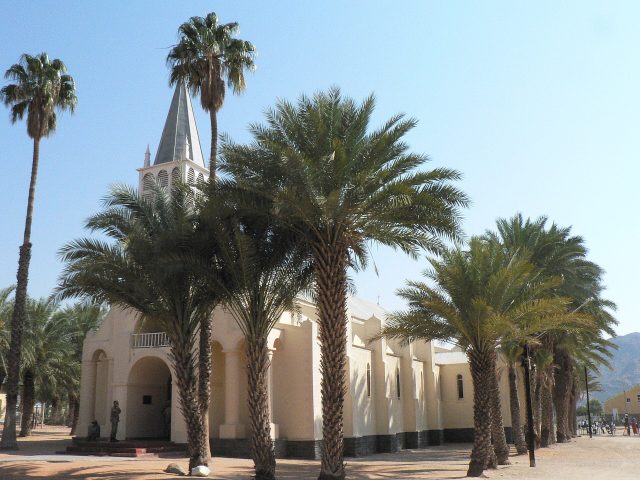
Photo: Samuel Molepo at en.wikipedia, CC BY-SA 3.0
Rustenburg sits where the dry savanna softens into the rocky foothills of the northwest, a place where time moves to the unhurried rhythm of local life rather than the ticking of a tourist itinerary. It’s not the kind of city you’ll find splashed across postcards—no sweeping ocean views, no world-famous game reserves. Instead, it offers something quieter: wide, open spaces, a sense of stillness, and the feeling that history and the present day exist side by side without much fuss.
Founded in the late 1800s as a mining town, Rustenburg still carries the echoes of its past. Gold and diamonds once drew people from across the country and beyond, and though the mines have long since closed, their legacy lingers in the architecture, the street names, and the stories of old-timers. The town center is dotted with colonial-era buildings—tall ceilings, wide verandas—now home to cafés and small guesthouses. On the outskirts, abandoned miners’ huts stand half-swallowed by grass and shrubs, silent reminders of the feverish activity that once defined the place.
These days, Rustenburg is mostly an agricultural and trading hub. Fields of maize and sunflowers stretch beyond the town limits, and cattle graze on the surrounding plains. Every Saturday, the central square transforms into a market where farmers from nearby villages sell fresh produce, homemade cheese, and smoked meats. You’ll also find handmade crafts—clay pots, woven baskets, jewelry set with semiprecious stones—though no one here is trying to turn the place into a tourist hotspot. That’s part of its charm. Rustenburg doesn’t put on a show; it just is.
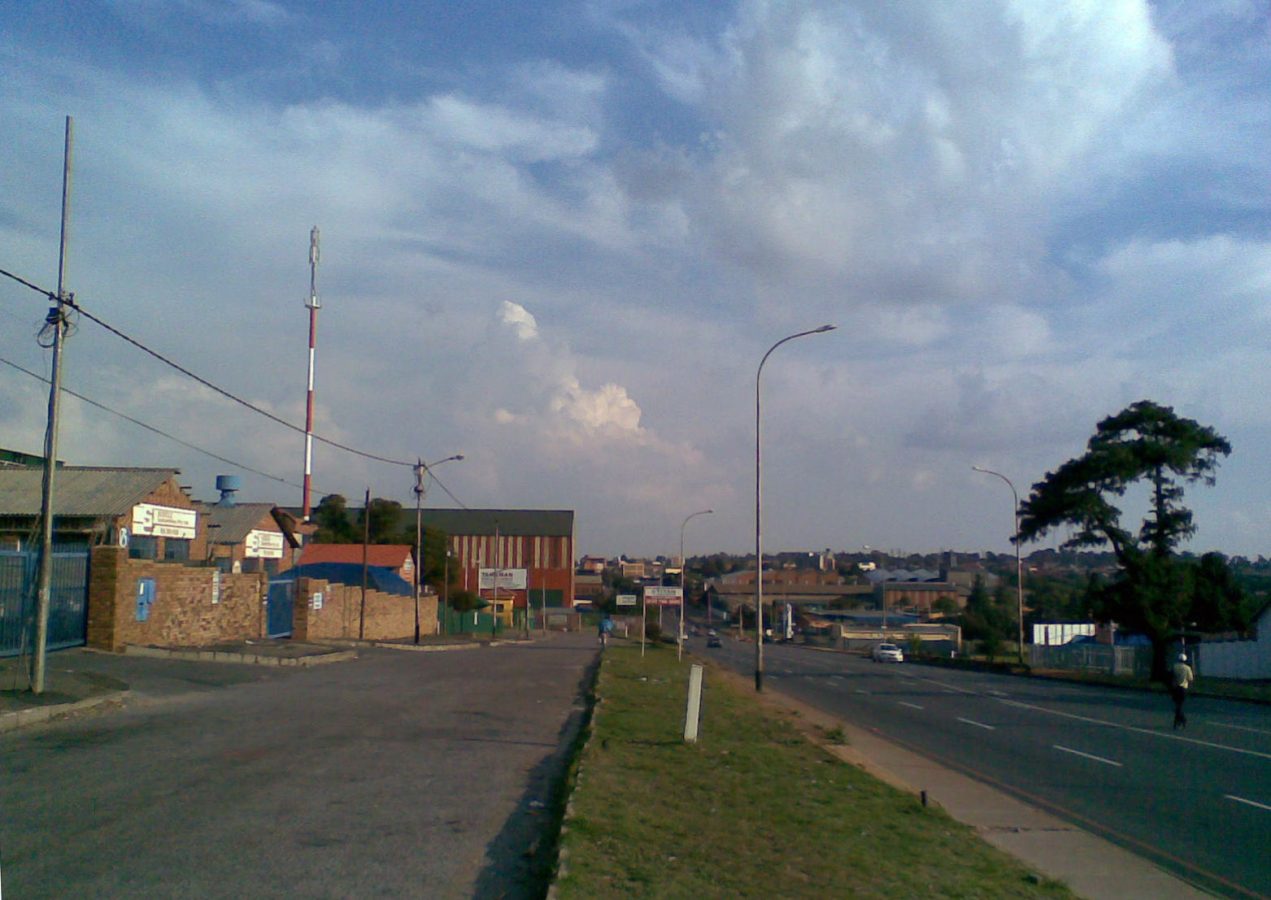
The landscape around the town is worth exploring in its own right. To the north, the Magaliesberg hills roll out in quiet, winding trails where you can walk for hours without seeing another soul. To the south, the land flattens into endless plains that seem to stretch all the way to the horizon. Nearby reserves are home to antelope, zebras, and ostriches, and if you’re lucky, you might spot something rarer. Locals often head to the Crocodile River for picnics, spending lazy afternoons under acacia trees, listening to cicadas and watching birds. As the sun sets, the savanna dust rises in the air, and the sky turns shades you didn’t know existed.
Rustenburg won’t be the kind of place people write songs about, and that’s exactly why it works. There’s no pressure to rush, no checklist of sights to tick off. You can sit on a park bench with a coffee, eavesdrop on conversations about grain prices or village gossip, and just let the day unfold. The town doesn’t try to impress visitors—it simply carries on with its own life, and in that unassuming rhythm, there’s something deeply appealing. If you ever find yourself passing through this part of South Africa, it might be worth slowing down. You never know what you’ll discover when you’re not looking for anything in particular.
Eat & Drink
0 placesNothing in this category yet — the catalogue is still growing.
All placesPlaces on the map
Marker colour follows the categoryClimate and weather
Detailed weather: Rudepurth- Average temperature
- 17 °C
- Precipitation per year
- 634 mm
Average air temperature
°C
20
20
19
16
14
11
10
14
18
19
19
19
Jan
Feb
Mar
Apr
May
Jun
Jul
Aug
Sep
Oct
Nov
Dec