Puno
Peru · 9 places
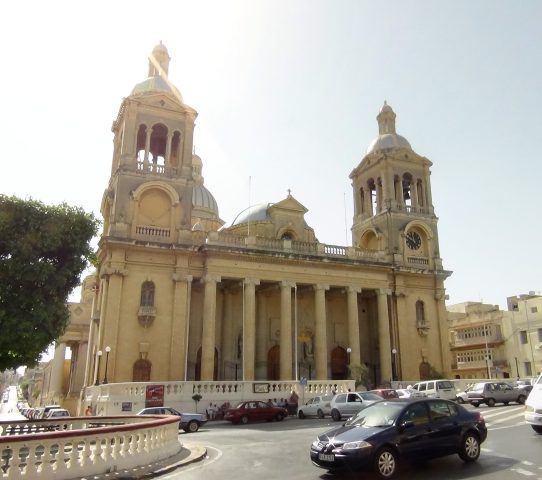
Photo: Cecilia Heinen, CC BY 2.0
Puno sits on the edge of Lake Titicaca, the highest navigable lake in the world. The air is thin, and every step feels heavier than the last. At nearly four thousand meters above sea level, the altitude isn’t just a number—it’s something you feel in your lungs, in the way your body moves slower. But here, the landscape softens into something vast and quiet, the Andes stretching out in layers of brown and green. A culture has taken root that doesn’t belong anywhere else.
The city pulses with traditions that refuse to fade. The Festival of the Virgin of Candelaria is the biggest celebration. Streets fill with dancers in masks and costumes, their movements sharp to the rhythm of drums and pan flutes. This isn’t for visitors—it’s something older, something that has survived conquests and time. Stumble upon a rehearsal before the festival; ask someone on the street, and they’ll point you in the right direction. The music and colors are how the people here remember who they are.
Lake Titicaca is more than water. Its islands feel like worlds of their own.
The Uros people live on floating reed islands, building homes and boats from the reeds that grow along the shore. The islands shift with the waves, and the boats glide as if the water were glass. On Taquile, terraced fields climb the hillsides, tended by hand for centuries. On Amantani, families open their doors, sharing meals cooked over open fires and stories passed down through generations. Life here has adapted in ways you won’t find anywhere else.
The city is a mix of narrow streets and colonial architecture. The main square has a cathedral that has stood for centuries, its stone worn smooth. Nearby, the market spills over with handwoven textiles, silver jewelry, and pottery. The food is simple—quinoa soup, trout from the lake, or potatoes with local cheese. Evenings are quiet. Bars hum with conversation and music, locals gathering to talk about the day’s events. If you want to understand Puno, look for it in the small moments.
What makes Puno memorable isn’t the altitude or the lake or the festivals. Time slows down here, as if the city breathes at a different pace. There’s no pretense. Traditions are alive because people still believe in them, the lake is still a source of life, and the streets are still walked by those who call this place home. It stays with you long after you’ve left.
Eat & Drink
1 placePlaces on the map
Marker colour follows the categoryClimate and weather
Detailed weather: Puno- Average temperature
- 11 °C
- Precipitation per year
- 830 mm
Average air temperature
°C
12
12
11
11
10
8
9
10
11
12
13
12
Jan
Feb
Mar
Apr
May
Jun
Jul
Aug
Sep
Oct
Nov
Dec