- Home
- Trinidad and Tobago
- Port of Spain

Port of Spain
Trinidad and Tobago · 6 places
Photo: Itrydisrespxtsmtsep, CC0
Port of Spain
Port of Spain doesn’t fit the postcard image of a Caribbean capital. There are no endless stretches of white sand or pastel-painted cottages. Instead, it’s a city of noise, color, and movement. Perched on the northwest coast of Trinidad, where the Caribbean Sea meets the Gulf of Paria, it has spent centuries as the country’s gateway. Spanish colonizers, enslaved Africans, Indian and Chinese laborers, and later European settlers all passed through here, leaving behind buildings, recipes, and the way people move through the streets.
The city center mixes old and new. Colonial buildings stand beside glass-fronted office towers, and narrow streets open onto wide plazas. Independence Square holds a monument to Trinidad and Tobago’s sovereignty. Nearby, the Cathedral of the Immaculate Conception, with its pale walls and spires, offers a quiet space. Just beyond the center, Woodbrook was once home to the city’s wealthier residents. Now, its Victorian mansions house cafes, galleries, and small shops. In the evenings, music and laughter spill into the streets.
Port of Spain is the heart of carnival. Every February or March, thousands of revelers fill the city. But the festival’s energy doesn’t fade. Music is everywhere—from barbershops, waterfront bars, and open-air clubs. Calypso and soca, both born on Trinidad, play in the background. Sometimes, you’ll hear an impromptu jam session. The food is just as bold. On weekends, the Chaguanas Market sells exotic fruits, fresh fish, and dishes that make you pause. For dinner, a seafood restaurant by the water lets you watch the sunset while waves roll in.
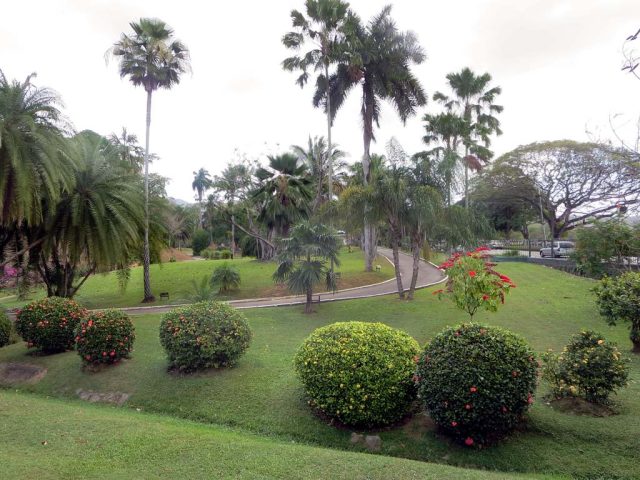
There’s no set path to explore. Wander. Duck into courtyards. Talk to vendors at street stalls. Let the city unfold. When you need a break, the Royal Botanic Gardens offer shade under palms and orchids. Or head to the Queen’s Park Savannah, where locals picnic, play cricket, or spend lazy Sundays.
Port of Spain isn’t polished. It’s a city that moves, where history and modernity collide. Whether you come for carnival, music, or just the atmosphere, it lingers with you.
See & Do
6 places



Places on the map
Marker colour follows the categoryClimate and weather
Detailed weather: Port of Spain- Average temperature
- 27 °C
- Precipitation per year
- 1589 mm
- Sunshine hours per day
- 8 h
Average air temperature
°C
26
26
27
27
28
27
27
28
28
27
27
26
Jan
Feb
Mar
Apr
May
Jun
Jul
Aug
Sep
Oct
Nov
Dec