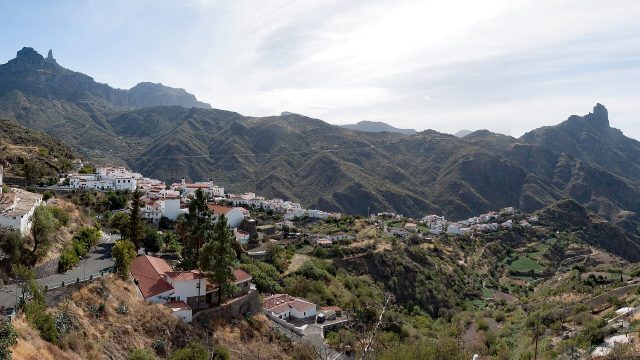
Pyatigorsk
Russia · 10 places
Photo: Wikimedia Commons, Pixabay Content License
Pyatigorsk is one of those places where time seems to slow down just enough to let you breathe. Nestled at the foot of Mount Mashuk, this resort town in the North Caucasus has long been a retreat for those seeking rest, healing, and a touch of old-world charm. The air here carries the crispness of the mountains, while the streets and parks retain the unhurried rhythm of a bygone era. It’s not just a destination for health treatments—though the mineral springs have drawn visitors for centuries—but also a place where you can wander shaded alleys, gaze at the snow-capped peaks of the Caucasus, and feel the quiet pulse of a town that has preserved its character through the years.
The story of Pyatigorsk is inseparable from its mineral waters. The healing properties of the local springs were known as far back as the 18th century, but it was in the 19th century that the town truly flourished as a retreat for Russia’s elite. Grand bathhouses, elegant parks, and stately buildings sprang up, turning the area into a fashionable destination. Writers, artists, and military officers flocked here, drawn by both the restorative waters and the dramatic landscapes. Among them was Mikhail Lermontov, whose name is now woven into the town’s identity. The poet spent time in Pyatigorsk, and it was on the slopes of Mashuk that his life ended in a duel. Today, visitors can walk to the site of that fateful encounter or step into the house where he once stayed, a place that still hums with the atmosphere of the 19th century.
For all its fame, Pyatigorsk doesn’t feel like a bustling tourist hub. Life here moves at its own pace. Mornings in Tsvetnik Park, the oldest in the city, are quiet—just the sound of footsteps on gravel paths, the distant notes of music drifting from the Lermontov Gallery, and the occasional clink of a glass at the mineral water fountains. There’s no rush to do anything. You might take the cable car up Mashuk for a sweeping view of the Caucasus, follow one of the trails winding around the mountain, or simply sit on a bench and watch the light change over the peaks. The town invites you to slow down, to linger, to notice the small things.
Some of Pyatigorsk’s landmarks are impossible to miss. The Proval Lake, a vivid blue underground pool hidden in a cave, draws crowds who descend through a narrow tunnel to see its eerie glow. Nearby, the Aeolian Harp pavilion offers one of the best views in the city—a panorama of rooftops, greenery, and distant mountains, with Elbrus visible on clear days. But the town’s charm isn’t just in its famous sights. It’s in the way the past and present coexist: the ornate 19th-century mansions standing beside Soviet-era sanatoriums, the quiet courtyards where laundry hangs between trees, the way a modern café might occupy a crumbling but beautiful old building. This mix of styles gives Pyatigorsk its distinct, slightly eccentric character.
The climate here is gentle—warm summers without the oppressive heat of the lowlands, crisp autumns that paint the trees in gold and red, and springs that burst into bloom. Even winter has its quiet appeal, with empty benches in the parks and the faint scent of woodsmoke in the air. It’s a place where the seasons feel pronounced, each offering something different to those who visit.
Beyond its own borders, Pyatigorsk serves as a gateway to the wider Caucasus. From here, it’s easy to explore the neighboring towns of the Mineralnye Vody region, venture into mountain gorges, or set off on longer journeys into the highlands. But you don’t need to go far to find something worth your time. A few days in Pyatigorsk can be spent wandering the same streets Lermontov once walked, listening to the rustle of leaves in the parks, or watching the sunset slip behind the mountains. It’s a town that doesn’t demand much—just that you let it unfold at its own pace.
The story of Pyatigorsk is inseparable from its mineral waters. The healing properties of the local springs were known as far back as the 18th century, but it was in the 19th century that the town truly flourished as a retreat for Russia’s elite. Grand bathhouses, elegant parks, and stately buildings sprang up, turning the area into a fashionable destination. Writers, artists, and military officers flocked here, drawn by both the restorative waters and the dramatic landscapes. Among them was Mikhail Lermontov, whose name is now woven into the town’s identity. The poet spent time in Pyatigorsk, and it was on the slopes of Mashuk that his life ended in a duel. Today, visitors can walk to the site of that fateful encounter or step into the house where he once stayed, a place that still hums with the atmosphere of the 19th century.
For all its fame, Pyatigorsk doesn’t feel like a bustling tourist hub. Life here moves at its own pace. Mornings in Tsvetnik Park, the oldest in the city, are quiet—just the sound of footsteps on gravel paths, the distant notes of music drifting from the Lermontov Gallery, and the occasional clink of a glass at the mineral water fountains. There’s no rush to do anything. You might take the cable car up Mashuk for a sweeping view of the Caucasus, follow one of the trails winding around the mountain, or simply sit on a bench and watch the light change over the peaks. The town invites you to slow down, to linger, to notice the small things.
Some of Pyatigorsk’s landmarks are impossible to miss. The Proval Lake, a vivid blue underground pool hidden in a cave, draws crowds who descend through a narrow tunnel to see its eerie glow. Nearby, the Aeolian Harp pavilion offers one of the best views in the city—a panorama of rooftops, greenery, and distant mountains, with Elbrus visible on clear days. But the town’s charm isn’t just in its famous sights. It’s in the way the past and present coexist: the ornate 19th-century mansions standing beside Soviet-era sanatoriums, the quiet courtyards where laundry hangs between trees, the way a modern café might occupy a crumbling but beautiful old building. This mix of styles gives Pyatigorsk its distinct, slightly eccentric character.
The climate here is gentle—warm summers without the oppressive heat of the lowlands, crisp autumns that paint the trees in gold and red, and springs that burst into bloom. Even winter has its quiet appeal, with empty benches in the parks and the faint scent of woodsmoke in the air. It’s a place where the seasons feel pronounced, each offering something different to those who visit.
Beyond its own borders, Pyatigorsk serves as a gateway to the wider Caucasus. From here, it’s easy to explore the neighboring towns of the Mineralnye Vody region, venture into mountain gorges, or set off on longer journeys into the highlands. But you don’t need to go far to find something worth your time. A few days in Pyatigorsk can be spent wandering the same streets Lermontov once walked, listening to the rustle of leaves in the parks, or watching the sunset slip behind the mountains. It’s a town that doesn’t demand much—just that you let it unfold at its own pace.
Eat & Drink
0 placesNothing in this category yet — the catalogue is still growing.
All placesPlaces on the map
Marker colour follows the categoryClimate and weather
Detailed weather: Pyatigorsk- Average temperature
- 11 °C
- Precipitation per year
- 553 mm
Average air temperature
°C
-1
0
5
11
16
21
24
24
18
12
5
0
Jan
Feb
Mar
Apr
May
Jun
Jul
Aug
Sep
Oct
Nov
Dec