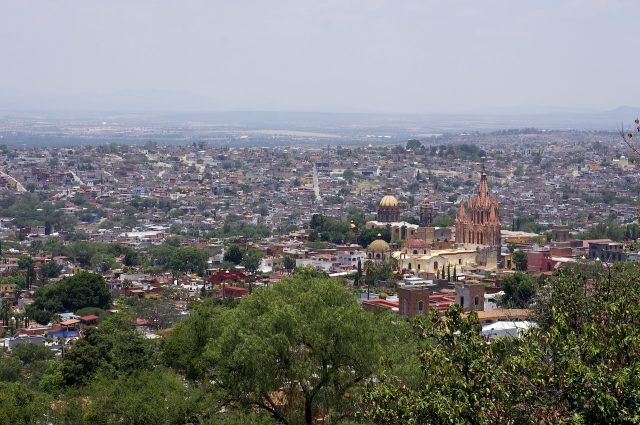
Norilsk
Russia · 9 places
Photo: Timur Voronkov, Public domain
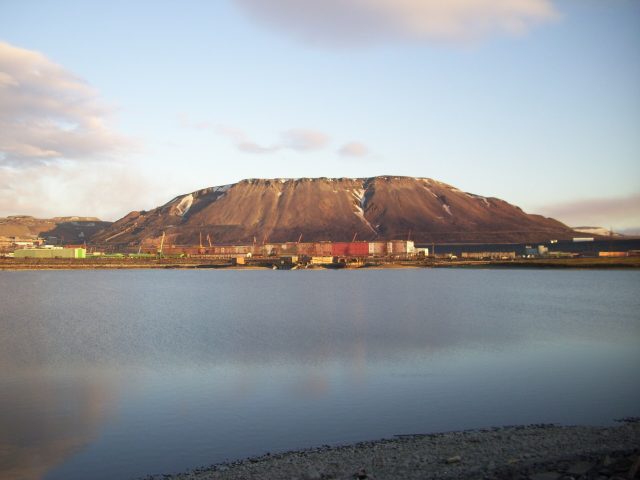
Nорильск is a place that defies expectations. Perched above the Arctic Circle, where winter stretches across nine months of the year and the sun either refuses to set or vanishes entirely for weeks, the city exists in a rhythm all its own. The air carries the sharp tang of metal and frost, and the streets feel vast, not because they’re unusually wide, but because the buildings stand apart, as if giving each other space in a landscape where the horizon is always distant and uncluttered. There’s nothing touristy about Nорильск—no polished facades, no carefully curated charm. It wasn’t built to impress, but to endure, and that’s precisely what makes it compelling.
The city’s origins trace back to the 1930s, when it began as a settlement for workers at the copper and nickel mines. Since then, its fate has been tied to the fortunes of Norilsk Nickel, one of the world’s largest metal producers. The company’s presence shapes everything: the shift schedules, the bus routes, even the architecture, which is unapologetically utilitarian. Many of the buildings date back to the Soviet era, their heavy, block-like forms a reminder that this place was designed for survival, not aesthetics. Yet there’s a certain honesty to Nорильск—no pretenses, no frills, just the raw, unfiltered reality of life in the far north.
Living here is a test of resilience. Winters plunge temperatures below minus fifty, and winds howl through the streets with enough force to knock you off your feet. Summer, when it arrives, is brief but brilliant, a fleeting season of white nights when the city stirs to life. Cafés open their doors, people spill onto the sidewalks, and the shores of nearby lakes and rivers fill with fishermen and mushroom foragers. But even then, the weather remains unpredictable—sunshine can give way to snow within hours. Locals take it in stride, adapting without complaint. Here, you don’t fight the cold; you learn to move with it.
Beyond its industrial might, Nорильск has a culture all its own. The city boasts museums, theaters, and sports complexes, but its heart is the Palace of Culture, a hub for concerts, exhibitions, and festivals. It’s where the pulse of the city beats strongest, where residents gather to celebrate, create, and connect. Despite the harsh conditions, there’s a quiet pride in how people care for their surroundings—neatly kept courtyards, flowerbeds that bloom defiantly in the short summer, the way neighbors greet each other on the street. There’s no anonymity here, no rush. Life moves at its own pace, shaped by the land and the people who call it home.
For travelers, Nорильск doesn’t reveal itself easily. There are no luxury hotels or gourmet restaurants, but what it offers is something rarer: a glimpse of life at the edge of the world, unfiltered and unsoftened. You can wander streets lined with buildings that hold decades of stories, visit museums that tell of the city’s founding and the people who built it, or venture into the tundra to see the vast, untamed landscapes that surround it. The mines, too, are open to visitors, offering a chance to understand the scale of the operation that sustains the city. Nорильск isn’t for those seeking comfort, but for those who want to see the world as it truly is—harsh, beautiful, and utterly alive.
See & Do
9 places




Places on the map
Marker colour follows the categoryClimate and weather
Detailed weather: Norilsk- Average temperature
- -7 °C
- Precipitation per year
- 452 mm
- Sunshine hours per day
- 4.3 h
Average air temperature
°C
-26
-24
-18
-8
-1
9
16
14
7
-5
-20
-26
Jan
Feb
Mar
Apr
May
Jun
Jul
Aug
Sep
Oct
Nov
Dec