- Home
- New Zealand
- Aoraki / Mount Cook
Aoraki / Mount Cook
New Zealand · 7 places
Photo: Steffen84~commonswiki, CC BY-SA 2.5
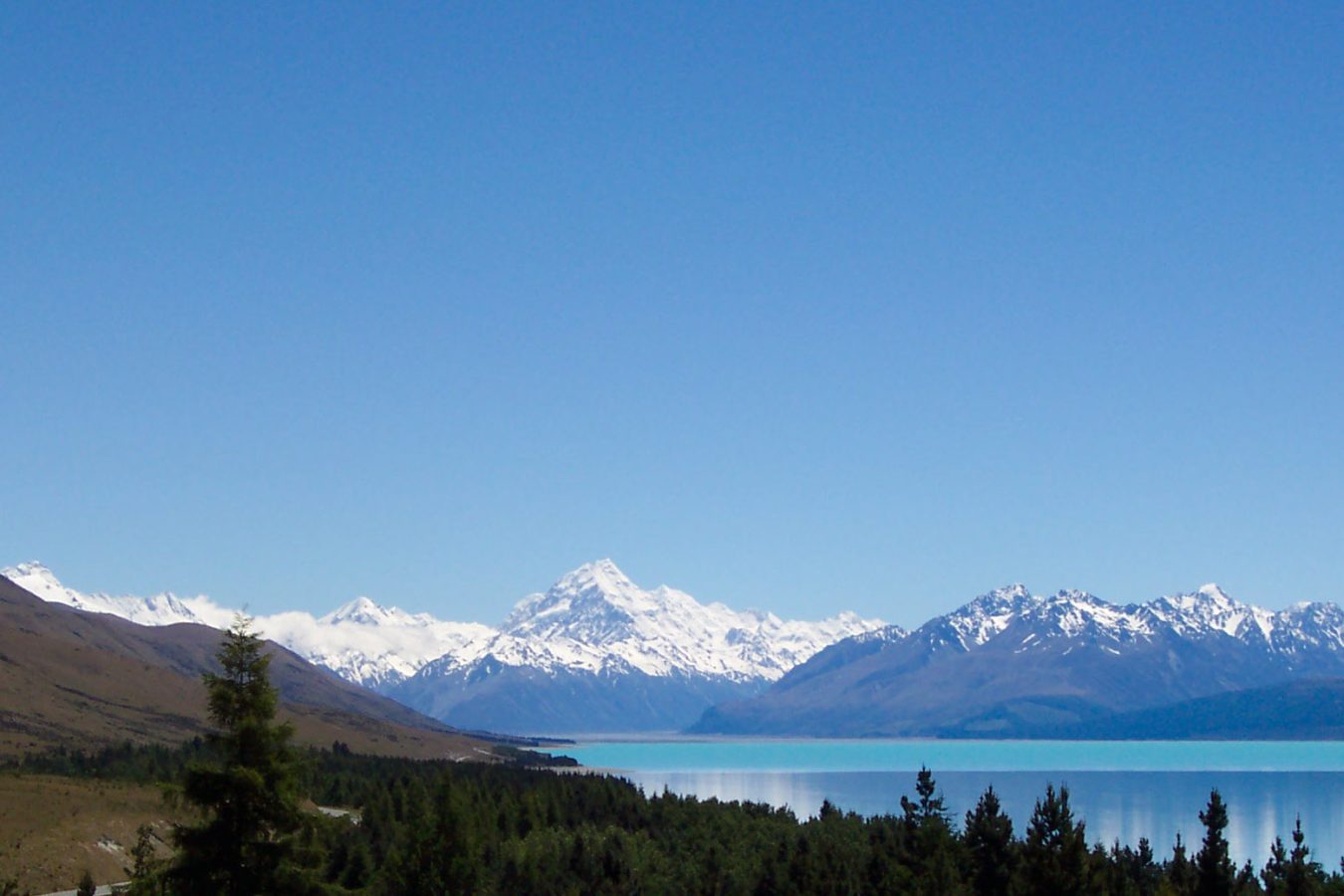
Aoraki/Mount Cook is where the earth reaches for the sky. This is the highest point in New Zealand, a jagged peak that pierces the clouds more often than not, its snow-capped summit playing hide-and-seek with the weather. The Māori name, Aoraki, means "cloud piercer," and it suits the mountain well—one moment it stands clear against the horizon, the next it’s swallowed by mist, as if the land itself is breathing. The village at its base is little more than a handful of buildings clinging to the edge of the national park, a place where life moves to the rhythm of the wind and the shifting light on the mountains.
There’s no rush here, no need to fill the silence. The village has a few dozen permanent residents, but in summer, visitors arrive from all over, drawn not by crowds or attractions, but by the quiet. The kind of quiet where you can hear the ice groan on the Tasman Glacier or the wind rustle through the tussock grass. The local hotel serves meals made from local ingredients—venison, trout, vegetables fresh from nearby farms—but the real reason people come is to step into a landscape that feels almost alive. The mountains aren’t just scenery; they’re a presence, something you sense as much as see.
The national park offers trails for every kind of traveler. Some are short walks, like the path to Hooker Lake, where icebergs drift in turquoise water beneath the towering face of Aoraki. Others are multi-day treks, winding through alpine meadows that burst with wildflowers in summer or past glaciers that creak and groan as they inch down the valleys. For those who prefer a bird’s-eye view, helicopters lift off from the village, offering a perspective that makes the vastness of the landscape even more striking. In winter, the snowfields attract skiers and snowboarders, though the conditions are rugged, best suited to those who know what they’re doing.
But you don’t have to be an adventurer to appreciate this place. Sometimes, the best thing to do is nothing at all. Sit by Lake Pukaki as the water shifts from pale blue to deep turquoise with the changing light, or lie on the grass at night and watch the stars. The park is part of a Dark Sky Reserve, and on clear nights, the Milky Way stretches overhead so vividly it feels almost within reach. Local guides share Māori stories about the constellations, turning the sky into a map of ancient tales. The mountains, too, have their own stories—glaciers that have advanced and retreated over millennia, valleys carved by ice and time.
There’s no hurry in Aoraki/Mount Cook. No tour buses, no lines, no need to tick off sights. The place has a way of slowing you down, of making even a short walk feel like an expedition. Maybe it’s because the mountains here aren’t just a backdrop; they’re witnesses to something far older than human memory. Standing at their base, it’s hard not to feel small in the best possible way—reminded that the world is vast, and that some places still exist where nature sets the pace. That’s what makes this corner of New Zealand feel different. It’s not just a destination; it’s a place where the land speaks, if you’re willing to listen.
Stay
0 placesNothing in this category yet — the catalogue is still growing.
All placesPlaces on the map
Marker colour follows the categoryClimate and weather
Detailed weather: Aoraki / Mount Cook- Average temperature
- 10 °C
- Precipitation per year
- 786 mm
Average air temperature
°C
17
16
14
10
6
3
3
5
7
10
13
15
Jan
Feb
Mar
Apr
May
Jun
Jul
Aug
Sep
Oct
Nov
Dec