Masaka
Uganda · 8 places
Photo: Hectorzalazar, CC BY-SA 3.0
Masaka sits quietly in southern Uganda, a place most travelers overlook. There are no crowded tourist spots here, no souvenir stalls or tour buses clogging the streets. Instead, the town moves at its own unhurried pace, where the days unfold without fuss and the locals greet visitors with easy warmth.
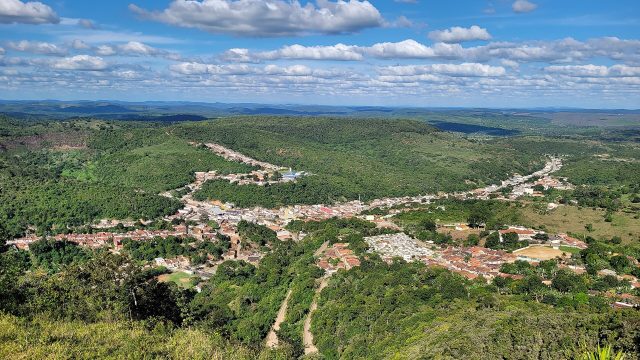
The city sprawls across rolling hills, surrounded by coffee plantations and banana groves that stretch toward the horizon. Its streets carry the faint imprint of colonial history, though the rhythm of life here feels distinctly African. The center is a maze of narrow lanes lined with low-slung buildings, where elders sit on verandas watching the world go by, and children kick dusty soccer balls in empty lots. The air smells of woodsmoke and damp earth, especially after the brief afternoon rains.
Mornings belong to the market. By dawn, vendors have already laid out piles of ripe mangoes, pineapples, and handwoven fabrics. Women in bright kitenge dresses haggle over prices while farmers unload sacks of cassava and sweet potatoes. The scent of roasting meat mingles with spices and freshly ground coffee, thick in the humid air. There’s no rush—just the slow, steady pulse of trade that has shaped this place for generations.
Beyond the town, the landscape softens into quiet countryside. A short drive away, Lake Victoria’s shores offer a different kind of stillness. Here, the water is calm, broken only by the occasional fishing boat gliding toward the horizon. Locals might invite you to join them for grilled tilapia by the water’s edge, or you can simply sit under a mango tree and watch the light change over the lake. Nearby, tea and coffee plantations welcome visitors to see how the crops are grown and processed. If you ask, someone will likely brew you a cup of the day’s harvest—strong, unfiltered, and best sipped slowly.
Masaka’s past isn’t hidden, though it’s not something people dwell on. The scars of civil war linger in certain neighborhoods, where bullet-pocked walls stand beside newer buildings. But the town has long since moved on. Colonial-era structures still dot the center, their faded facades a contrast to the thatched huts on the outskirts, where families live much as they have for decades. There are no museums here, no grand monuments—just the quiet persistence of a place that has seen hardship and kept going.
This isn’t a destination for luxury or fine dining. The guesthouses are simple, the food hearty and unpretentious—matoke with groundnut sauce, fresh fish from the lake, chapati still warm from the pan. In the evenings, music spills from open-air bars where men and women gather to talk, laugh, and share news. No one here is performing for tourists. Masaka doesn’t try to impress. It just is—unpolished, unhurried, and entirely itself. If you’re looking for the kind of Uganda that exists beyond the guidebooks, this is where you’ll find it.
Eat & Drink
0 placesNothing in this category yet — the catalogue is still growing.
All placesPlaces on the map
Marker colour follows the categoryClimate and weather
Detailed weather: Masaka- Average temperature
- 23 °C
- Precipitation per year
- 1454 mm
Average air temperature
°C
23
24
24
23
23
23
23
22
23
23
23
23
Jan
Feb
Mar
Apr
May
Jun
Jul
Aug
Sep
Oct
Nov
Dec