Lake Maracaibo
Venezuela · 5 places
Photo: Wilfredor, CC0
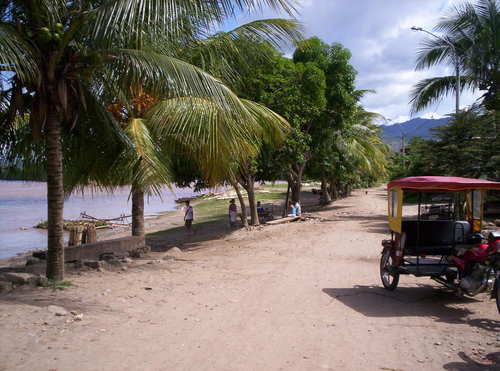
Maraкайбо doesn’t reveal itself at first glance. Stretched along the western shore of Lake Maracaibo—South America’s second-largest lake—it moves to a rhythm slightly out of step with the rest of Venezuela. There are no towering skyscrapers here, no frantic urban pulse. Instead, wide palm-lined avenues lead past pastel-colored houses, their hues softened by the relentless sun. The city balances industrial might with quiet provincial life, where oil rigs stand beside fishing boats and modern shopping malls neighbor markets thick with the scent of spices and fresh catch.
The lake, which locals simply call *el mar*, is the city’s lifeblood. It’s where the legend of Maracaibo began—when Spanish conquistadors stumbled upon stilted indigenous villages, giving the place its name, meaning *land of many waters*. Today, ferries still cross its expanse, connecting the city to the far shore, while sunsets turn the water to liquid gold. The lake holds one of the world’s richest oil reserves, and its wealth has shaped Maracaibo into the region’s economic heart.
Yet the city isn’t just about oil and water. It’s a place where Venezuelan culture unfolds at its own unhurried pace. The Plaza Bolívar, with its colonial cathedral and morning cafés serving coffee with guava paste, or the Las Pulgas market, where vendors sell ripe mangoes and handwoven hammocks. Food here is a point of pride—especially the *arepas*, thick corn cakes stuffed with meat, cheese, or avocado, and *guarapo*, a sweet, chilled sugarcane drink.
What makes Maracaibo distinct are its people. Their Spanish carries the lilt of indigenous and African influences, a dialect all its own. They’re proud of their city, even if they don’t always show it. Maracaibo often lives in the shadow of Caracas or Mérida, but locals know it’s different—a place where the past lingers in a vintage cinema still screening films on reels or in the Santa Lucía waterfront, where musicians gather at dusk to play traditional songs under the stars.
This isn’t a city for those seeking bright lights and loud attractions. It’s for travelers who want to slow down. Notice the fishermen mending nets along the shore, the kids playing soccer on a dusty pitch, the way the oil rigs across the lake flicker to life as night falls. Maracaibo doesn’t demand attention; its charm lies in its quiet way of being. Sit under a mango tree, listen to the waves, and let the city reveal itself.
See & Do
All of them


Places on the map
Marker colour follows the categoryClimate and weather
Detailed weather: Lake Maracaibo- Average temperature
- 30 °C
- Precipitation per year
- 672 mm
- Sunshine hours per day
- 7.2 h
Average air temperature
°C
29
30
30
30
30
31
31
31
30
29
30
29
Jan
Feb
Mar
Apr
May
Jun
Jul
Aug
Sep
Oct
Nov
Dec