Mapiri River
Bolivia · 6 places
Photo: Ruddysalcedito, CC BY-SA 4.0
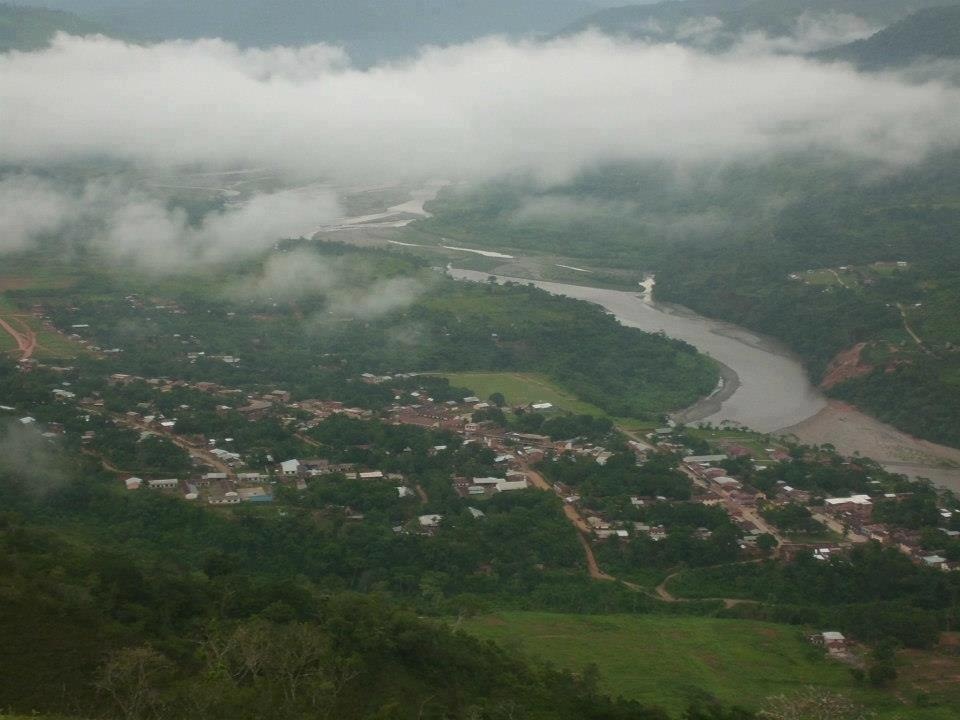
Mapiri sits in the foothills of the Andes, where the air carries the scent of damp earth and tropical greenery. The town lines the banks of its namesake river, a narrow strip of water cutting through the valley, while mist drifts over the hills at dawn. Cobblestone streets curve past low-slung houses with terracotta roofs, their wooden shutters left open to the breeze. Life here follows the seasons—coffee and citrus harvests, neighbors leaning over garden fences, the calls of howler monkeys in the trees.
In the 19th century, Mapiri was a stop for gold prospectors, a rough outpost where men arrived hoping to strike it rich. Most stayed. You can still find the remnants of that time in the overgrown mine shafts outside town and the small museum in the plaza, where rusted picks and faded photographs tell the stories of those who tried to settle this part of Bolivia. Now, the land sets the pace. Farmers work cacao groves and citrus orchards, their produce filling market stalls each weekend alongside spices, handwoven textiles, and clay pottery. The air carries the murmur of bargaining voices and the occasional laugh.
There are no large hotels or bright bars here, just a few family-run guesthouses. Dinner might be a bowl of sopa de maní, its peanut broth thick with corn and meat, or plato paceño, fried plantains and spiced beef with cassava bread. Locals chew coca leaves to stave off tiredness, a habit as old as the hills. By night, the town grows quiet, the only sounds the chirp of cicadas and the rush of the river. The darkness feels vast, stretching to the stars.
If you leave town, the forests and hills offer quiet walks. Trails lead to waterfalls where water spills into emerald pools, or to viewpoints overlooking the valley’s green and gold. History is here too—in the crumbling missions built by colonial settlers and the indigenous communities that still live much as they have for centuries. On festival days, the streets fill with music and dance, the air thick with the scent of roasting meat and the sound of drums. Even then, Mapiri stays unhurried, a place where past and present exist side by side.
This isn’t a town for those in a rush or looking for grand sights. It’s a place to slow down, to listen to the rustle of leaves and the river’s murmur, to wake to roosters crowing and woodsmoke from kitchen chimneys. Bolivia isn’t just high-altitude lakes or ancient ruins—it’s also these quiet corners where life moves at its own pace. Mapiri doesn’t demand attention. It lets you see a world that still knows how to breathe.
Stay
0 placesNothing in this category yet — the catalogue is still growing.
All placesPlaces on the map
Marker colour follows the categoryClimate and weather
Detailed weather: Mapiri River- Average temperature
- 23 °C
- Precipitation per year
- 1376 mm
- Average humidity
- 84 %
- Sunshine hours per day
- 9 h
- Time zone
- UTC-4 (GMT-4)
Average air temperature
°C
25
24
24
24
23
21
20
22
24
24
24
25
Jan
Feb
Mar
Apr
May
Jun
Jul
Aug
Sep
Oct
Nov
Dec