- Home
- Mozambique
- Mapai
Mapai
Mozambique · 8 places
Photo: Brian Dell, Public domain
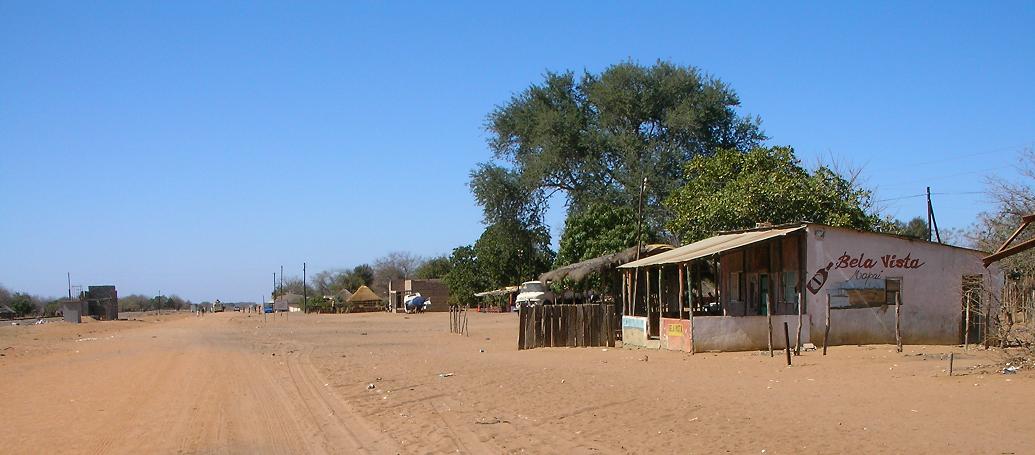
Mapai sits quietly in southern Mozambique, a place most travelers overlook—but that’s precisely why it feels like a discovery. Tucked along the banks of the Limpopo River, the town moves at its own unhurried pace, far from the well-trodden paths of tourism. There are no luxury lodges or souvenir stalls here, just dusty streets where children kick soccer balls and elders watch the day pass from their doorsteps. Life unfolds slowly, as if the town itself has paused to let the river dictate its rhythm.
The land around Mapai is shaped by the seasons. When the rains come, the Limpopo swells, turning the savanna into a lush expanse of green. In the dry months, the earth cracks under the sun, and dust coats the roads like a fine layer of powder. The people who live here have learned to bend with these cycles—planting cassava and maize when the soil is rich, casting their nets when the waters recede. The local market is small but lively, filled with the scent of fresh fish, spices, and vegetables piled high in woven baskets. Women balance these baskets on their heads as they walk, a scene that hasn’t changed in generations. There’s no pretense here, just the quiet pulse of daily life.
Mapai’s past is woven into Mozambique’s colonial history. The Portuguese established it as a trading post in the early 1900s, a stopover on the route inland. A few old buildings still stand, their faded facades blending into the landscape as if they’ve always been there. After independence, the town remained on the fringes of change, more a rural hub than a city in the modern sense. There are no grand monuments or museums, but the place doesn’t need them. The stories are in the way the river bends, in the way the old men play dominoes under the acacia trees, in the way the air hums with the sound of cicadas at dusk.
For those who make the journey, Mapai offers a glimpse of Mozambique stripped of polish. There are no tourist amenities, no paved roads, and electricity can be unreliable. But that’s part of the appeal. Visitors who come here aren’t looking for comfort—they’re searching for something harder to define. Maybe it’s the chance to walk along the river at dawn, watching herons take flight over the water. Maybe it’s sitting under a baobab tree, listening to locals share tales of the land. Or maybe it’s simply the rare feeling of time slowing down, of a place that refuses to rush. In Mapai, the world moves at the speed of the Limpopo, and for a little while, you can too.
See & Do
8 places
Places on the map
Marker colour follows the categoryClimate and weather
Detailed weather: Mapai- Average temperature
- 20 °C
- Precipitation per year
- 0 mm
Average air temperature
°C
24
23
23
20
18
16
16
18
20
21
23
24
Jan
Feb
Mar
Apr
May
Jun
Jul
Aug
Sep
Oct
Nov
Dec


