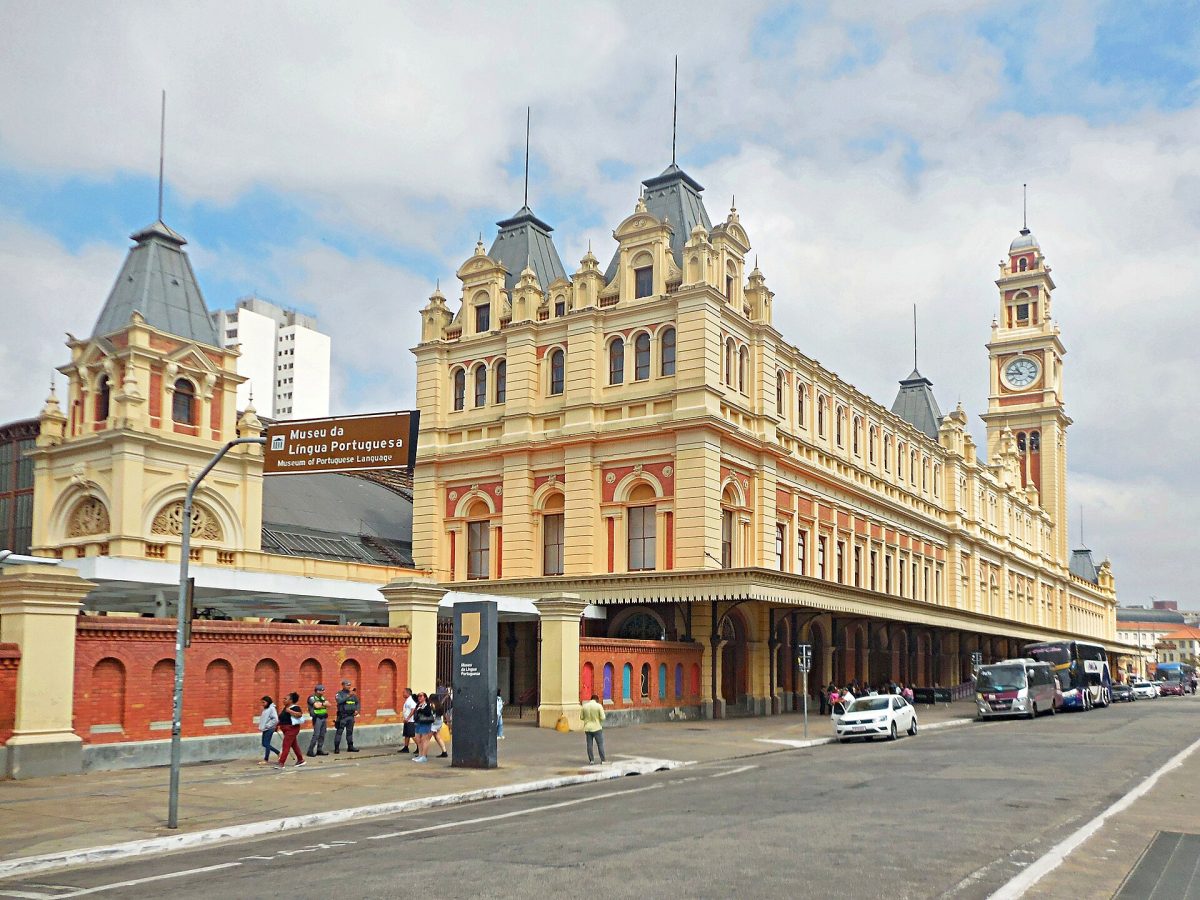
Luz
Brazil · 6 places
Photo: HVL, CC BY-SA 4.0
Luz sits quietly in the heart of Minas Gerais, a place that moves to its own gentle rhythm. Unlike the Brazil of postcards—no beaches, no carnival crowds, no grand resorts—this small town offers something simpler. Cobblestone streets wind between low-slung houses with terracotta roofs, and in the evenings, the main square fills with the murmur of conversation, the scent of coffee, and the occasional strum of a guitar.
Founded in the early 1800s around a railway station that once connected the region to larger cities, Luz still carries traces of its past. Though the trains no longer run as they once did, old carriages now house cafés and workshops, standing as quiet reminders of a time when the tracks were the town’s lifeline. Today, the surrounding hills are dotted with farms and pastures, where cattle graze and coffee plants stretch toward the horizon. The people here are warm but unhurried, content to let life unfold at its own pace.
There are no grand museums or towering landmarks in Luz, just the unassuming charm of everyday life. The Church of Saint Anthony, with its whitewashed walls and modest façade, anchors the town, its doors open for Sunday services. The morning market bustles with vendors selling fresh fruit, artisanal cheese, and crusty bread, while the square beneath the old trees becomes a stage for the slow, unscripted theater of small-town living. Beyond the town limits, green valleys lead to hidden waterfalls and viewpoints where the landscape unfolds in quiet grandeur.
Life in Luz moves deliberately. Conversations in sidewalk cafés stretch into the afternoon, the sun sets lazily behind the hills, and the evenings settle into a hush. There are no nightclubs or loud restaurants, just the chance to experience Brazil as it is for most who live here—far from the tourist trails. This isn’t a place for dramatic photos or high-energy adventures, but for those who seek it, there’s a rare kind of peace to be found in its unassuming authenticity.
Stay
0 placesNothing in this category yet — the catalogue is still growing.
All placesPlaces on the map
Marker colour follows the categoryClimate and weather
Detailed weather: Luz- Average temperature
- 21 °C
- Precipitation per year
- 1059 mm
Average air temperature
°C
24
23
23
21
19
19
18
18
20
21
21
23
Jan
Feb
Mar
Apr
May
Jun
Jul
Aug
Sep
Oct
Nov
Dec


