- Home
- Democratic Republic of the Congo
- Lubumbashi

Lubumbashi
Democratic Republic of the Congo · 5 places
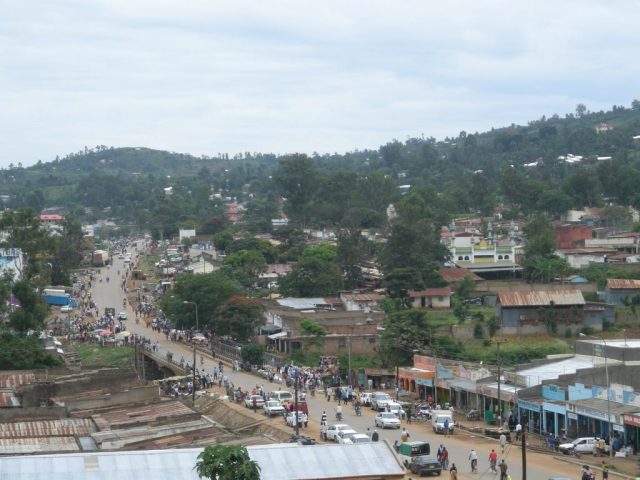
Photo: Nick Hobgood from Cap-Haitien, Haiti, CC BY 2.0
Lubumbashi doesn’t reveal itself at first glance. There are no grand boulevards or ancient temples here, no polished facades designed to impress visitors. Instead, the city carries the raw, unfiltered energy of a place built on labor and necessity, where life unfolds in the rhythm of markets, workshops, and the distant hum of smelters. It sits in the heart of the Copperbelt, a region that has shaped its identity for over a century, and though it may lack the glamour of other African capitals, it offers something far rarer: authenticity.
Founded by Belgian colonists in the early 1900s as Élisabethville, the city was always a product of industry. European administrators and engineers lived in orderly neighborhoods while Congolese miners settled in sprawling townships nearby. When independence came, the name changed to Lubumbashi, but the city’s soul remained tied to the mines. Even now, the towering slag heaps and sprawling refineries are impossible to ignore—they dominate the skyline, a constant reminder of the copper and cobalt that have sustained the city for generations. The air carries the metallic tang of industry, and the streets pulse with the movement of trucks hauling ore from the surrounding province of Haut-Katanga.
Daily life here moves at its own pace. Mornings belong to the markets, where vendors sell everything from fresh vegetables to vibrant wax-print fabrics, their stalls overflowing with color and noise. By midday, the scent of grilled fish and palm oil drifts through the air, mingling with the sounds of laughter and bargaining. Small roadside eateries serve fufu with fiery sauces, and in the evenings, the streets come alive with music and conversation. There are no tourist trails in Lubumbashi, no carefully curated experiences—just the unscripted rhythm of a city that exists for its own people, not for outsiders.
The climate is harsh, with scorching heat for most of the year, broken only by a brief rainy season that turns the streets into rushing torrents. The landscape around the city is a study in contrasts: dry savannas dotted with acacia trees give way to dense miombo woodlands, while the horizon is marked by the jagged edges of open-pit mines. Locals often escape to the Lufiira River on weekends, where the cool water offers a respite from the city’s relentless pace.
Lubumbashi stands apart from other Congolese cities. It doesn’t have the chaotic energy of Kinshasa or the tourist-friendly veneer of Goma. This is a city of work, where every street and building tells a story of extraction and trade. It doesn’t try to charm visitors, and that’s precisely why it lingers in the memory—an unvarnished slice of Africa, where the contradictions of progress and tradition play out in plain sight.
Eat & Drink
0 placesNothing in this category yet — the catalogue is still growing.
All placesPlaces on the map
Marker colour follows the categoryClimate and weather
Detailed weather: Lubumbashi- Average temperature
- 22 °C
- Precipitation per year
- 1124 mm
Average air temperature
°C
21
22
21
21
20
19
19
21
25
26
23
23
Jan
Feb
Mar
Apr
May
Jun
Jul
Aug
Sep
Oct
Nov
Dec