- Home
- Burkina Faso
- Loropéni

Loropéni
Burkina Faso · 7 places
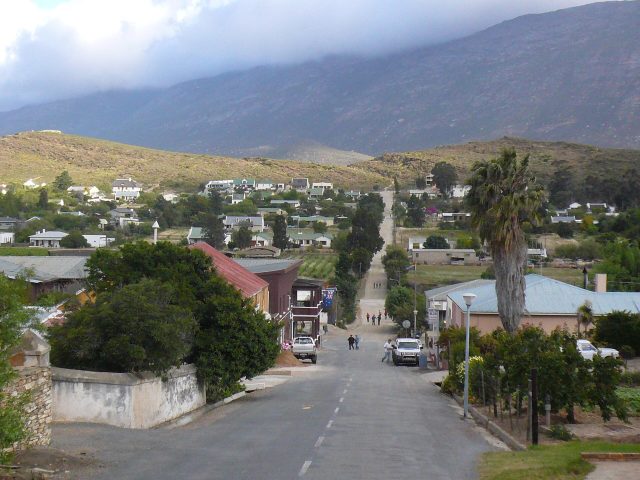
Photo: Rik Schuiling / TropCrop-TCS, CC BY-SA 4.0
Loropéni feels like a place where time has quietly settled into the earth, leaving behind only the weight of centuries and the slow rhythm of daily life. Tucked into the southern hills of Burkina Faso, where the dry savanna softens into greener landscapes, the town exists far from the noise of modern cities. There are no crowded streets or towering buildings here—just the whisper of wind through tall grass, the occasional call of a bird, and the muted sounds of villagers going about their work. What draws people to Loropéni isn’t its size or bustle, but the ancient ruins that rise from the land like a silent testament to a forgotten past. Recognized by UNESCO, these stone walls were built over a thousand years ago by the Loro people, and today they stand as one of West Africa’s most intriguing mysteries.
The ruins themselves are more than just weathered stone. The fortress, enclosed by walls that once reached six meters high, covers roughly a hectare of land. Inside, the remains of homes and storage buildings hint at a society that was far from primitive. A sophisticated drainage system, still visible in places, suggests advanced engineering for its time. No one knows for certain what purpose the site served—whether it was a military stronghold, a trading hub, or a sacred space. The lack of answers only deepens its allure, offering travelers something rare: a place where history hasn’t been neatly packaged or explained, but lingers in the gaps between what is known and what is left to imagine.
Life in Loropéni moves at the pace of the seasons. The town survives on farming—maize, sorghum, peanuts, and cotton grow in the surrounding fields, while markets brim with fresh produce from nearby villages. There are no luxury hotels or fine-dining restaurants, but that’s not why people come. Visitors can stay in a modest guesthouse or with a local family, waking to the sounds of roosters and the scent of woodsmoke. Evenings often bring gatherings around fires, where drummers set the rhythm for dances that have been performed for generations. The simplicity of it all feels deliberate, as if the town has chosen to remain untouched by the rush of the outside world.
Beyond the ruins, Loropéni offers a glimpse into the culture of the Lobi people, who have lived in this region for centuries. Known for their deep connection to tradition, the Lobi are skilled artisans, crafting wooden masks and sculptures adorned with intricate geometric patterns. These pieces, some of the most striking in West Africa, are still made by hand, with techniques passed down through families. If you’re lucky, you might witness one of the local festivals, where music and dance become part of ancient rituals, a living link to the past.
What makes Loropéni special isn’t just its history or its people, but the way it refuses to conform to expectations. There are no tourist traps here, no souvenir stalls or scripted performances. Instead, there’s space—space to wander, to listen, to sit quietly and let the place reveal itself. It’s a rare kind of travel, one that doesn’t promise comfort or convenience, but something far more valuable: a chance to see Africa as it is, not as it’s often portrayed. For those willing to step off the well-worn path, Loropéni offers a quiet kind of magic, the kind that lingers long after you’ve left.
Stay
0 placesNothing in this category yet — the catalogue is still growing.
All placesPlaces on the map
Marker colour follows the categoryClimate and weather
Detailed weather: Loropéni- Average temperature
- 28 °C
- Precipitation per year
- 1237 mm
- Sunshine hours per day
- 7.9 h
Average air temperature
°C
26
28
31
31
30
28
26
26
26
27
27
26
Jan
Feb
Mar
Apr
May
Jun
Jul
Aug
Sep
Oct
Nov
Dec