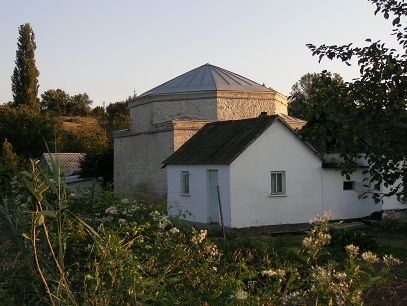
Liège
Belgium · 8 places
Photo: A.Savin, CC BY-SA 3.0
Liège doesn’t announce itself with grand gestures. It’s not the kind of city that dazzles at first glance—no medieval spires like Bruges, no stately squares like Brussels. Instead, it offers something quieter, more lived-in. The Meuse and Ourthe rivers shape its character, not as a postcard backdrop but as part of daily life. Locals stroll along the quays, old industrial buildings now house lofts and cafés, and cyclists pause on bridges to take in the hills rolling into the distance. The city feels like it’s still figuring itself out, and that’s part of the charm.
History here is a story of power and defiance. For centuries, Liège was the heart of a prince-bishopric, ruled not by kings but by the Church. It endured sieges, fires, and occupations, yet always rebuilt. The Gothic arches of Saint Paul’s Cathedral and the basilica atop Mont Saint-Martin, with its sweeping views of red-tiled roofs and the Meuse’s curves, are remnants of that past. Charlemagne was born here, though little remains from his time—just a few street names and the echoes of legend.
Liège is a city of contrasts. Once a steel and shipbuilding powerhouse, it still carries that industrial grit, but it’s also a place where art and food matter deeply. Museums display works by Rubens and Delacroix, while markets serve up Walloon waffles drizzled with warm chocolate or cider made from local apples. Rue du Pot d’Or, lined with narrow 18th-century houses, now shelters antique shops and tiny bistros. By evening, the bars along the Meuse fill with students and musicians—Liège’s university keeps the city young.
What makes Liège special is its lack of pretension. There are no crowds of tourists, no pressure to perform. You can sit in a café on Place Saint-Lambert, order coffee, and watch the city unfold at its own pace. Take the funicular up to the citadel for a view of the Meuse winding through the hills, or wander the old center’s narrow streets, where surprises lurk around every corner—fountains, signs in Walloon, hidden courtyards with grapevines. Liège doesn’t try to be beautiful. It just is, and that’s enough.
See & Do
8 places


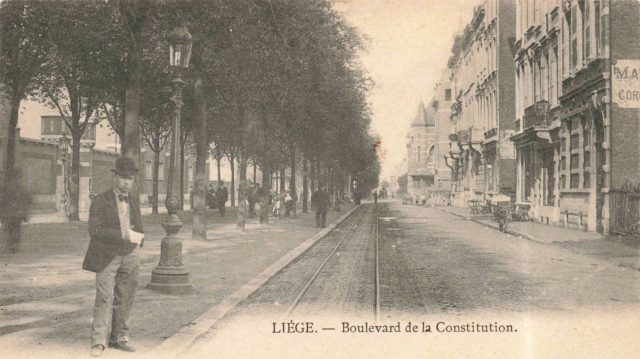
Places on the map
Marker colour follows the categoryClimate and weather
Detailed weather: Liège- Average temperature
- 11 °C
- Precipitation per year
- 1049 mm
- Average humidity
- 78 %
- Sunshine hours per day
- 7.4 h
- Time zone
- UTC+2 (GMT+2)
Average air temperature
°C
3
5
8
10
14
18
19
19
16
12
7
5
Jan
Feb
Mar
Apr
May
Jun
Jul
Aug
Sep
Oct
Nov
Dec