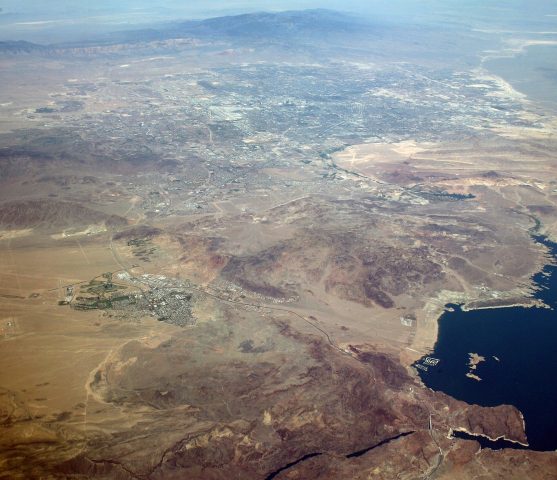
Weather overview
Лас-Вегас sits in the Mojave Desert, where the weather follows a clear desert rhythm: mild winters, scorching summers, and brief shoulder seasons in between. From November to February, days are comfortable, with cool evenings that call for a light jacket. By March, the city begins to warm up, and by May, the heat becomes a defining feature of the landscape.
Summer in Лас-Вегас is intense, with June through August bringing some of the hottest conditions in the U.S. The dry air makes the heat more bearable than in humid climates, but temperatures often exceed +38 °C, especially in July. Evenings cool off slightly, offering a brief respite. By September, the worst of the heat subsides, though warm days linger into October.
Temperature
Winter in Лас-Вегас is mild compared to much of the U.S., with average highs around +14 °C in January and lows dipping to +4 °C. Frost is rare, but nights can feel chilly, especially in the desert. By March, temperatures climb steadily, reaching +17 °C by day and +7 °C at night. The shift into spring is rapid, with April bringing highs near +26 °C and lows around +14 °C.
Summer arrives in full force by June, with average highs soaring to +38 °C and lows rarely dropping below +24 °C. The peak of the heat occurs in July, when temperatures can reach +40 °C during the day. Even September remains warm, with highs around +34 °C, though nights begin to cool. By October, the heat eases, with highs near +27 °C and lows around +15 °C, making it one of the most pleasant times to visit Лас-Вегас.
| Month | Minimum | Maximum |
|---|---|---|
| January | 4.4 | 14.4 |
| February | 6.6 | 17.4 |
| March | 7.3 | 17.3 |
| April | 13.8 | 25.9 |
| May | 18.4 | 30.6 |
| June | 24.2 | 37.6 |
| July | 27.4 | 39.8 |
| August | 26 | 38.8 |
| September | 22.2 | 34.5 |
| October | 15.1 | 26.8 |
| November | 8.4 | 19.6 |
| December | 4.1 | 15.3 |
Precipitation
Лас-Вегас is one of the driest major cities in the U.S., with precipitation almost nonexistent year-round. Rainfall is so rare that it barely registers in monthly averages, and when it does occur, it’s usually brief and light. The lack of humidity makes the heat more tolerable in summer and the cool nights crisper in winter.
Even during the cooler months, from November to February, rain is uncommon. The desert climate means that visitors should expect dry conditions regardless of the season. While rare, sudden rain showers can happen, but they’re unlikely to disrupt travel plans. The absence of rain also means clear skies and plenty of sunshine, even in winter.
What to pack
For a winter trip to Лас-Вегас, pack layers to adapt to the cool evenings and mild days. A light jacket or sweater is useful for nights, while daytime temperatures in December or January may only require a long-sleeve shirt or light coat. Comfortable walking shoes are a must, as the city’s attractions often involve exploring on foot.
Summer in Лас-Вегас demands lightweight, breathable clothing to cope with the extreme heat. Loose-fitting clothes in light colors help reflect the sun, while a wide-brimmed hat and sunglasses provide essential protection. Evenings are warm but more comfortable, so a light shawl or long sleeves can be useful for indoor air conditioning. Don’t forget sunscreen—even a short walk in +38 °C heat can lead to sunburn.
In the shoulder seasons, like March or October, pack a mix of short-sleeve shirts and light layers. Mornings and evenings can be cool, while afternoons warm up quickly. A light scarf or cardigan is handy for transitioning between outdoor heat and indoor cooling. Comfortable shoes remain important, as Лас-Вегас is best explored on foot.