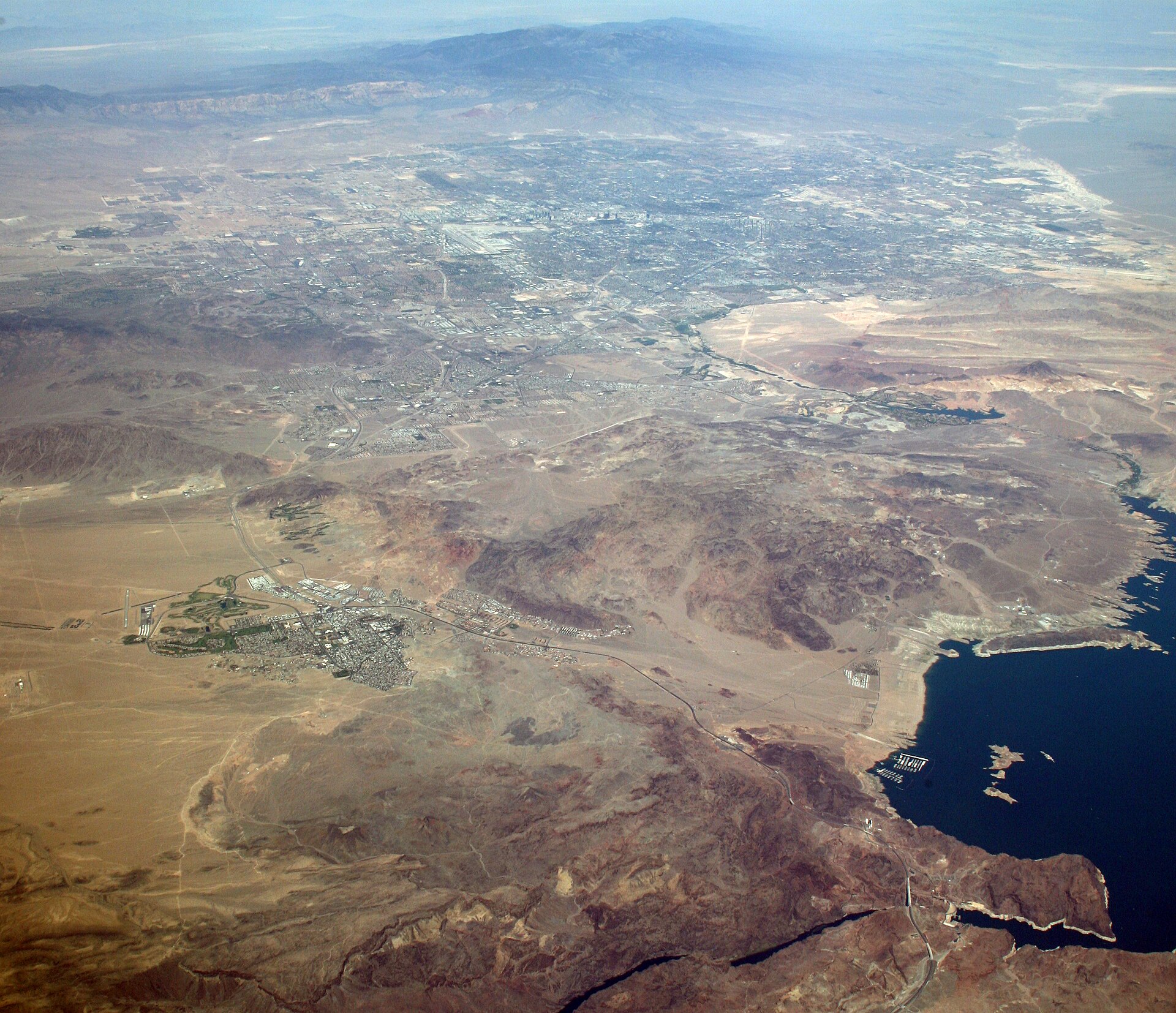
Hoover Dam is one of those places that feels almost impossible until you stand before it. Straddling the border between Nevada and Arizona, this colossal structure tames the Colorado River, creating Lake Mead—one of the largest man-made reservoirs in the world. But the dam is more than just an engineering feat; it’s a monument to an era when human ambition and innovation reshaped the landscape, turning a barren desert into a thriving region.
Construction began in 1931, at the height of the Great Depression, when the project offered not just jobs but survival for thousands. Over twenty thousand workers labored here, many living in makeshift camps under the scorching desert sun. Conditions were brutal—relentless heat, choking dust, the constant risk of cave-ins. Yet in just five years, the dam was completed. It stood as both a technical marvel and a testament to what people could achieve even in the darkest times.
Today, Hoover Dam remains a vital piece of infrastructure, supplying power to multiple states, but it’s also a striking example of Art Deco architecture and a living piece of history. Its towering concrete walls, rising 726 feet above the canyon floor, command attention. The view from the Mike O’Callaghan–Pat Tillman Memorial Bridge, spanning the gorge just downstream, is particularly breathtaking. From there, the dam appears even more massive, its curved face holding back the vast expanse of Lake Mead, framed by the rust-colored cliffs of the Mojave Desert.
Visiting the dam starts at the visitor center, where exhibits detail its construction, the mechanics of its hydroelectric power generation, and its role in the region’s development. Guided tours take you both outside and deep within the structure, where the hum of turbines fills the air. Descending into the dam’s interior is an experience in itself—cool, dimly lit corridors lead to the powerplant, where the sheer scale of the machinery is impossible to ignore. The sense of raw power contained within those concrete walls is palpable.
The surrounding area offers plenty to explore as well. Lake Mead stretches for miles, its clear waters a stark contrast to the arid landscape. It’s a popular spot for boating, fishing, and simply soaking in the quiet of the desert. The lake’s shoreline is dotted with hidden coves and inlets, where the only sounds are the lap of water and the cry of gulls. Summer brings crowds, but even then, it’s easy to find solitude along the less-traveled stretches.
Hoover Dam is more than a tourist attraction; it’s a place where the past and present intersect in unexpected ways. It serves as a reminder of both human ingenuity and the delicate balance between progress and nature. Standing on its crest, you can almost feel the weight of history—the desperation of Depression-era workers, the pride of those who built it, and the curiosity of modern visitors drawn to its grandeur.
It’s worth noting that the dam is still an active facility, so access to certain areas may be restricted. But even a walk along its top, with views of the canyon and the lake below, is unforgettable. At night, the dam transforms, its lights reflecting off the dark waters of the Colorado, turning it into a glowing monument to human achievement.
For many, a visit to Hoover Dam is part of a larger journey through the American Southwest. From here, it’s an easy drive to the Grand Canyon, Zion National Park, or Las Vegas, just forty minutes away. But even if the dam is your only destination, it’s a trip that lingers in the mind. It’s a place that makes you reflect on what people are capable of—and how important it is to respect the forces we seek to control.