- Home
- Papua New Guinea
- Lae

Lae
Papua New Guinea · 8 places
Photo: Phenss, CC BY-SA 3.0
Lae
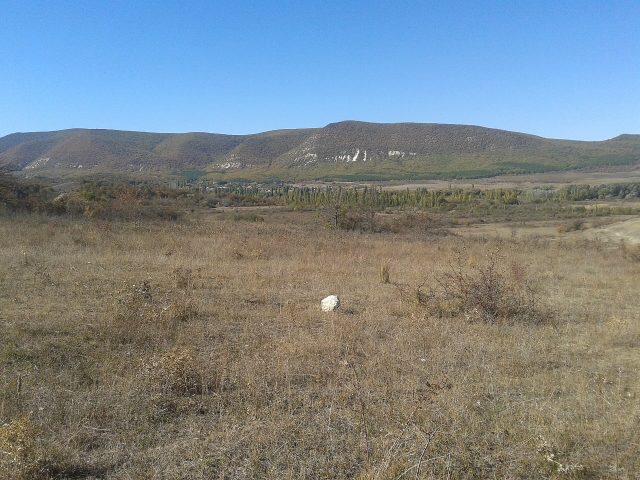
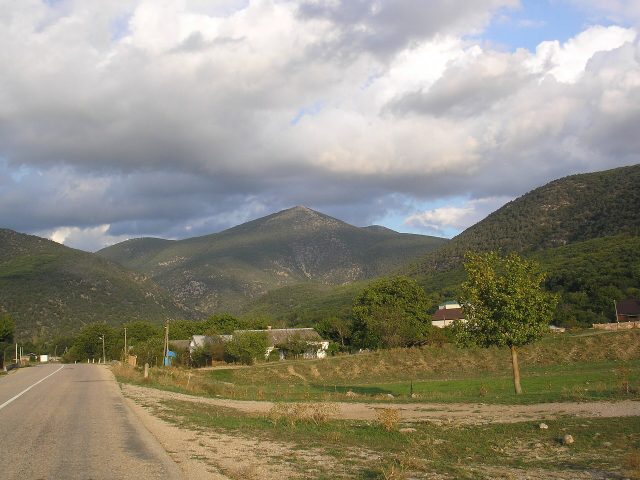
Lae slips under the radar of most travelers. That’s why it’s worth knowing. Along the northeastern coast of Papua New Guinea, it’s a gateway to the country’s least-explored landscapes. No resorts crowd the shore, no traps wait for tourists—just a city where tradition and modernity coexist. The jungle hums at the edges of the streets. The ocean crashes against the shore. Life moves at a pace set by the tides, not by itineraries.
As Papua New Guinea’s largest port, Lae thrives on maritime trade. Ships from across the Pacific dock here, unloading containers that keep the country connected. The harbor buzzes with activity, but without the frantic energy of a megacity. Fishermen return at dawn with their catch, which later appears in the markets, still glistening. The air carries the scent of saltwater and damp earth. The docks stretch along the waterfront, holding the city together. You can watch the gears of a nation turning in real time.
The jungle takes over beyond the city limits. For locals, the forest is a supermarket, a pharmacy, a hardware store. People venture into the trees for fruit, medicinal plants, or timber, as they have for generations. Villages in the surrounding hills live by rules unchanged for centuries. Travelers who venture inland find waterfalls, caves carved by ancient rivers, and trails winding toward viewpoints few outsiders reach. But the jungle demands respect. A local guide is essential.
Lae doesn’t try to impress. Its charm lies in its unvarnished reality. Modern buildings stand beside stilted huts. Markets overflow with produce—durian, sago, betel nuts—alongside familiar staples. No souvenir stalls hawk trinkets, just hand-carved wooden masks or woven baskets made for practical use. The food reflects the same authenticity: in small eateries, you might try *mumu*, pork and vegetables slow-cooked in an underground oven, or fresh fish grilled over open flames. The flavors are bold, the ingredients local.
This isn’t a destination for those who crave comfort. The climate is sticky, the streets chaotic, the infrastructure basic. But that’s the point. Lae doesn’t perform for visitors; it exists on its own terms. If you’re willing to trade air-conditioned hotels for discovery, it offers something rare. No neatly packaged tours, no Instagram backdrops—just the quiet satisfaction of stepping into a world that moves to its own beat. For those who seek it, Lae stays with you.
Stay
1 placePlaces on the map
Marker colour follows the categoryClimate and weather
Detailed weather: Lae- Average temperature
- 27 °C
- Precipitation per year
- 1771 mm
- Sunshine hours per day
- 5.7 h
Average air temperature
°C
29
28
28
28
27
26
26
26
27
28
28
28
Jan
Feb
Mar
Apr
May
Jun
Jul
Aug
Sep
Oct
Nov
Dec