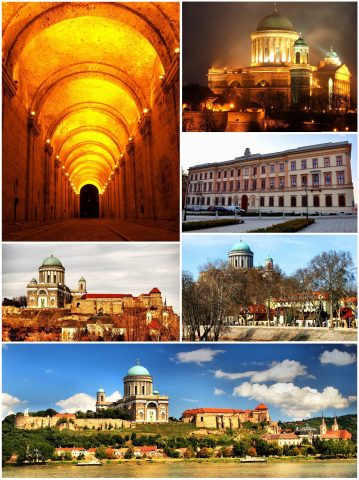
Kumba
Cameroon · 8 places
Photo: Trees ForTheFuture, CC BY 2.0
Kumba
Kumba moves at its own pace, a place where time isn’t measured in hours but in the slow shift between rainy seasons and dry spells. Tucked into southwestern Cameroon, where dense rainforests meet rolling hills, the city feels suspended between the earthy scent of damp soil and the sharp tang of spices from open-air kitchens. There are no grand boulevards or skyscrapers—just the quiet rhythm of a town that answers to the land.
The river cuts through Kumba like a vein, dividing the town yet holding it together. Mornings begin with mist curling over the water as fishermen push their wooden canoes into the current. By evening, the riverbank changes—women scrub laundry against smooth stones, children splash in the shallows, and elders gather to trade stories as the water murmurs past.
Trade and agriculture keep Kumba alive. The city hosts one of the region’s largest markets, where farmers, artisans, and traders from surrounding villages converge. Stalls overflow with pineapples, plantains, handwoven fabric, and clay pots fired in backyard kilns. The local pepper—small, fierce, and fragrant—lingers on the tongue long after the meal is over. The market is a sensory overload of voices haggling, drums beating, and the sharp sweetness of ripe fruit mixing with the smoky scent of grilled fish. Every vendor has a story, every basket of goods a history.
Kumba isn’t surrounded by postcard attractions. Instead, it’s framed by the remnants of old cocoa and coffee plantations, once the backbone of the region’s wealth. Those days are mostly gone, leaving behind crumbling colonial-era estates half-swallowed by jungle. The people here, largely from the Bamum ethnic group, carry that history lightly. They’re proud of their traditions—music, dance, the beadwork that adorns ceremonial robes—but they don’t perform them for outsiders. If you’re curious, they’ll share. If not, they’ll let you watch.
This isn’t a place for those chasing spectacle. There are no museums or architectural marvels, just the quiet certainty of a town that refuses to pretend. Kumba doesn’t try to impress; it simply exists. Visit during the rainy season, when the streets turn muddy and the air hangs thick with humidity, and you’ll feel the city breathing. Some places don’t need to shout to be beautiful. They just need to be seen.
See & Do
All of them
Stay
All of them
Places on the map
Marker colour follows the categoryClimate and weather
Detailed weather: Kumba- Average temperature
- 26 °C
- Precipitation per year
- 1418 mm
Average air temperature
°C
27
28
27
27
26
25
24
24
24
25
25
26
Jan
Feb
Mar
Apr
May
Jun
Jul
Aug
Sep
Oct
Nov
Dec