Kolomna
Russia · 14 places
Photo: Марианна, CC BY-SA 3.0
Kolomna
Kolomna is a place where history hasn’t just been preserved—it’s still quietly alive. Where the Moskva River meets the Oka, this small city of just over a hundred thousand people has stood at the crossroads of trade, war, and everyday life for centuries. Its streets carry the weight of old chronicles, from guarding the southern borders of the Grand Duchy of Moscow to the quieter rhythms of provincial life today. There’s no rush here, no modern gloss—just time layered in crumbling fortress walls, weathered churches, and houses that seem frozen in the 19th century.
The kremlin
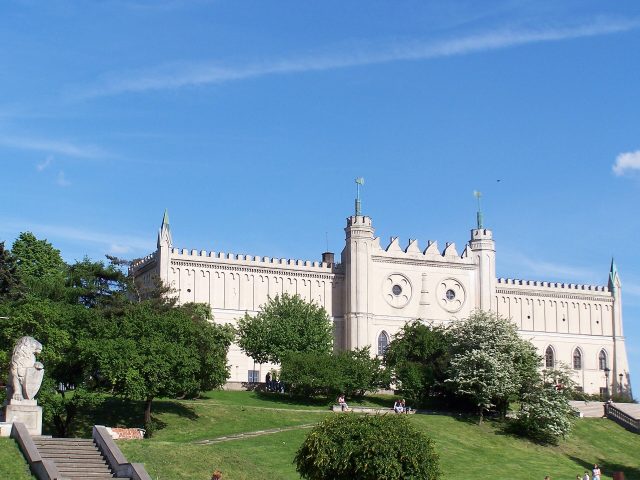
The heart of Kolomna is its kremlin, a fortress that still looks formidable despite the centuries. Built in the early 1500s, its nearly two-kilometer walls and surviving towers—like the Piatnitskie or the Yamskie—were meant to repel invaders. Even now, they give the impression of a place built to last. Inside, the Assumption Cathedral’s 17th-century frescoes glow in the dim light, while the tent-roofed bell tower rises sharply against the sky. The kremlin is especially striking in autumn, when leaves turn the stone golden, or in winter, when snow softens the edges of the battlements. Locals and visitors wander for hours, tracing the stories embedded in its walls.
Beyond the fortress
The Oka River, wide and unhurried, was once the lifeblood of these lands. Its embankment is the perfect place to watch the water stretch toward the horizon. The old merchant houses in the center still have their carved window frames, and in the courtyards, laundry flutters on clotheslines just as it has for generations. Tiny shops sell pastila—a confection of apples, honey, and egg whites that Kolomna was once famous for—and the scent of fresh gingerbread lingers in the air. The recipe was once a closely guarded secret, passed down through families. Even now, a box to take home is hard to resist.
History here isn’t just about battles. Kolomna played its part in those too—Dmitry Donskoy’s army set out from here for the Kulikovo Field in 1380, a turning point in Russia’s struggle against the Mongols. A monument on the outskirts marks the spot, and a street in the city bears the prince’s name. By the 19th century, Kolomna had become a textile hub, and the old factory buildings, now repurposed into lofts and cafes, add another layer to the city’s story. The past isn’t just remembered here; it’s still visible, still lived in.
What makes Kolomna special is the way time moves differently. There’s no urgency, no sense of being left behind—just a quiet pride in what the city has been and what it still is. Locals will point out the kremlin’s secrets or the best place to try pastila. Visitors often stay longer than planned. Maybe it’s the unhurried walks along the river, or the way church bells echo over the rooftops, or simply the chance to step out of the rush of modern life. Kolomna doesn’t need to shout to be heard.
Stay
0 placesNothing in this category yet — the catalogue is still growing.
All placesPlaces on the map
Marker colour follows the categoryClimate and weather
Detailed weather: Kolomna- Average temperature
- 7 °C
- Precipitation per year
- 635 mm
Average air temperature
°C
-5
-2
-2
7
14
19
20
21
11
7
3
-6
Jan
Feb
Mar
Apr
May
Jun
Jul
Aug
Sep
Oct
Nov
Dec