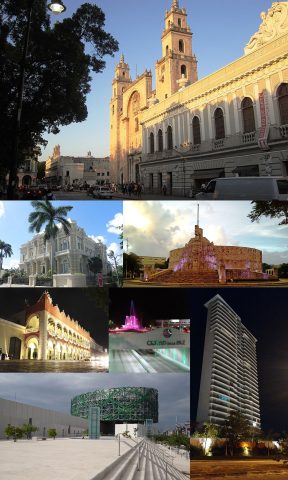
Kitale
Uganda · 7 places
Photo: Leovdvxxx, CC BY-SA 4.0
Kitale sits quietly in western Uganda, far from the usual tourist trails. There’s no grand architecture, no souvenir stalls, no crowds jostling for the best view. Instead, the town moves at its own unhurried pace, where strangers are greeted with easy smiles and the air carries the scent of woodsmoke and damp earth. The streets are lined with low-slung buildings, their corrugated roofs rusted by years of rain, and the rhythm of life here is set by the seasons rather than the clock.
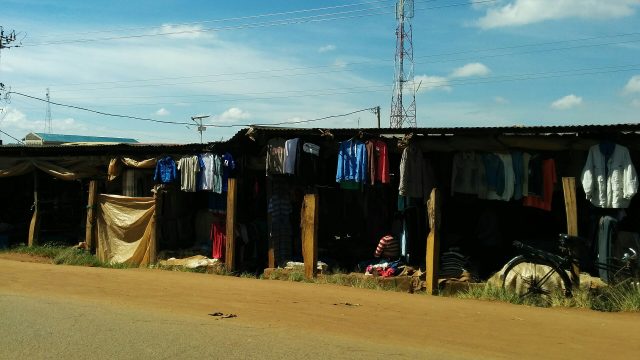
Mornings begin with the crow of roosters and the sizzle of chapati frying in roadside pans. The central market is small but lively, a tangle of stalls selling mangoes still warm from the sun, bunches of green bananas, and sacks of dried beans. Women in bright kitenge wraps haggle over prices while men unload crates of soda from the backs of pickup trucks. There’s no pressure to buy, no one trying to sell you a trinket you don’t need—just the quiet hum of daily commerce. If you’re lucky, someone might offer you a slice of pineapple straight from the tree, its juice dripping down your chin before you’ve even paid.
The food in Kitale is simple, unpretentious, and deeply local. Roadside kiosks serve plates of matoke—steamed green bananas mashed into a thick, savory paste—alongside fried tilapia from nearby lakes or groundnut stew so rich it coats the back of your throat. There are no fancy restaurants, no menus with English translations, but if you ask, the cook might let you watch as she pounds cassava into flour or stirs a pot of simmering beans. The flavors are bold, the portions generous, and the company even better. Strangers become friends over shared meals, and by the time you leave, you’ll know the names of half the people at the table.
Beyond the town, the landscape unfolds in layers of green. Tea plantations stretch across rolling hills, their neat rows of bushes giving way to wild forests where colobus monkeys swing through the canopy. A short drive away, the hot springs of Kibale bubble up from the earth, their sulfurous waters steaming in the cool mountain air. Locals come to soak in the pools, their laughter mixing with the rustle of leaves and the occasional cry of a bird. The national park of the same name lies a little farther, a dense tangle of jungle where chimpanzees hoot and shriek in the treetops. It’s not a place for those who prefer paved paths and guided tours; here, the forest sets the rules, and you follow.
Kitale doesn’t do grand spectacles, but it has its own quiet magic. Every so often, the town comes alive in ways that feel both ancient and spontaneous. A harvest festival might spill into the streets, filling the air with the scent of roasting maize and the thump of drums. Weddings last for days, with processions of dancers in feathered headdresses and women ululating as the bride is led to her new home. On such nights, the main square becomes a stage, and everyone is part of the performance. Children chase each other with sticks, old men debate politics over gourds of waragi, and the stars above seem brighter than anywhere else.
This isn’t a town you visit to tick off a list of sights. There are no museums, no monuments, no postcard-perfect views. Instead, Kitale offers something rarer: the chance to step into a life that hasn’t been polished for outsiders. You can sit on a wooden bench outside a shop, sipping milky tea so strong it stains your cup, and watch the world go by. A woman balances a bundle of firewood on her head, her baby strapped to her back with a length of cloth. A man leads a cow down the road, its hooves kicking up dust. A truck rumbles past, piled high with sacks of coffee beans, its horn blaring a greeting to no one in particular. The hours stretch out, unhurried, and if you let yourself slow down, the town reveals itself—not as a destination, but as a place where life simply is.
See & Do
6 places
Places on the map
Marker colour follows the categoryClimate and weather
Detailed weather: Kitale- Average temperature
- 19 °C
- Precipitation per year
- 1448 mm
Average air temperature
°C
20
21
21
20
19
19
19
19
19
19
19
20
Jan
Feb
Mar
Apr
May
Jun
Jul
Aug
Sep
Oct
Nov
Dec