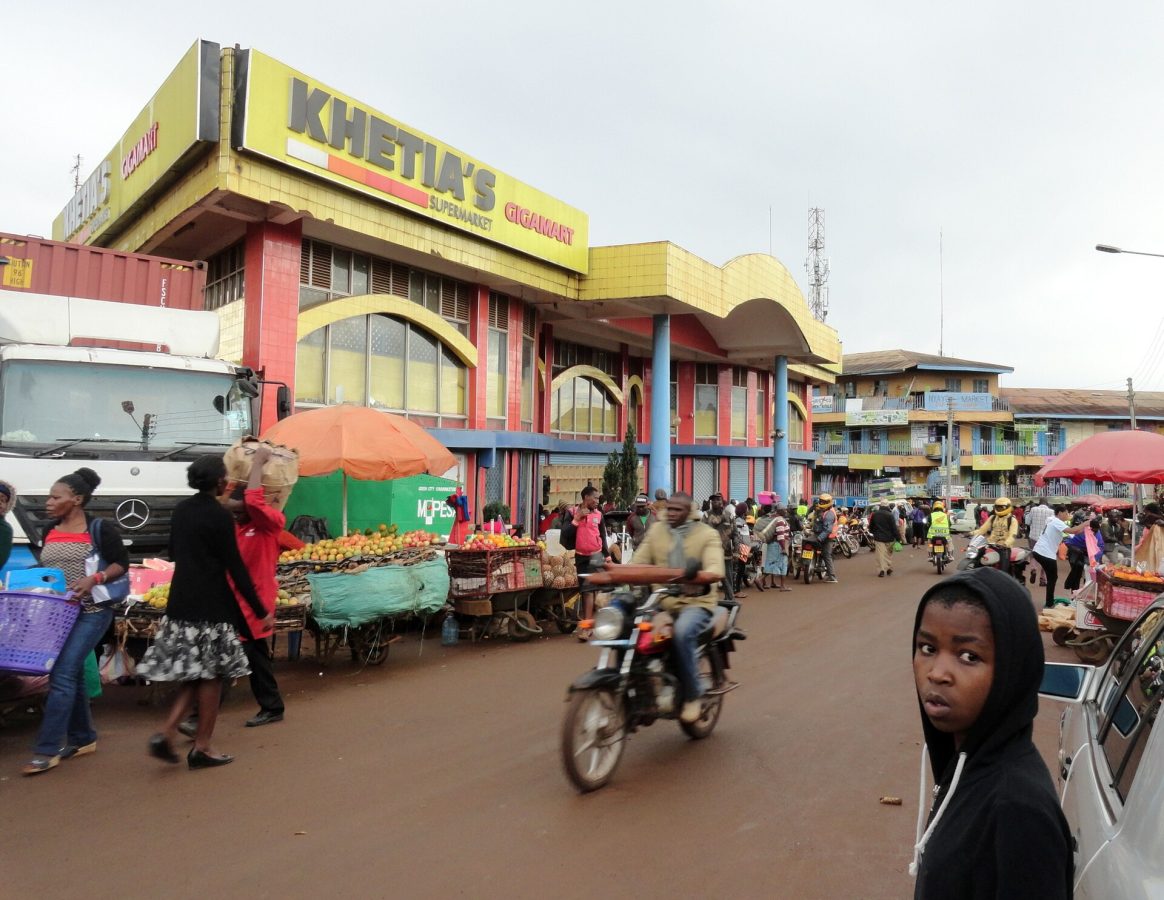
Kitale
Kenya · 5 places
Photo: Leovdvxxx, CC BY-SA 4.0
Kitale sits quietly in western Kenya, a place most travel guides overlook. There are no crowds, no tour buses idling at the curb, no stalls hawking trinkets on every corner. Instead, the town moves at its own unhurried pace—people greet each other with a nod or a smile, not because they’re paid to, but because that’s how things are done here.
The town sprawls across a valley beneath the slopes of Mount Elgon. Around it, the land rolls into fields of maize, tea plantations, and pastures dotted with cattle. The air carries the scent of rain and damp earth, and by evening, the sounds of birdsong and distant lowing drift through the streets. It’s the kind of place where time feels softer, where the rhythm of life is set by the seasons rather than the clock.
Kitale began as a trading post in the early 1900s, a stopover between Uganda and Kenya’s interior. The British, drawn to its mild climate—cooler than the coast, without the stifling heat—made it an administrative hub. Some of that colonial past lingers in the wide, straight streets lined with low-slung buildings under red-tiled roofs, in the old trees shading the sidewalks, and in the market where vendors sell mangoes, handmade clay pots, and brightly woven fabrics. The former district commissioner’s residence still stands in the center, its high ceilings and broad veranda now housing local officials, though the building itself hasn’t changed much over the decades.
Mornings here belong to the market. Farmers arrive with crates of vegetables, baskets of fruit, and jugs of fresh milk. Women in vivid headscarves haggle over bunches of bananas, while men sip tea from roadside stalls. By midday, the town slows down—heat drives people indoors or under the shade of a tree. But as the sun dips lower, the streets come alive again. Children kick soccer balls in empty lots, elders sit on benches watching the world go by, and laughter spills from open windows. There are no nightclubs, no neon signs. Instead, you might wander into a small café serving ugali with stewed greens or a dimly lit bar where locals gather around wooden tables, drinking cold beer and talking late into the evening.
From Kitale, the wild edges of Kenya feel close. A short drive away, Mount Elgon National Park offers trails that wind through forests to waterfalls and caves marked with ancient rock paintings. Nearby, the Saiwa Swamp Sanctuary is a quiet place where rare sitatunga antelope move through the reeds, and wooden walkways let visitors peer into the wetlands, watching birds flit between the papyrus. The guides here aren’t polished professionals—they’re farmers, herders, or hunters who know the land intimately. They’ll show you how honey is harvested from wild hives, take you to villages where women weave baskets from dried grass, or share stories of the Kalenjin people, their traditions still woven into daily life.
There are no luxury hotels in Kitale, just simple guesthouses with clean rooms and reliable hot water. Breakfast might be fresh fruit, eggs, and strong tea. Some travelers stay with local families, welcomed into homes where they’ll share a meal and hear about life in the valley. It’s not polished hospitality, but it’s real—no scripted smiles, no rehearsed stories. Just the quiet, unfiltered rhythm of a town that exists for its own sake, not for visitors. That’s the thing about Kitale: it doesn’t try to impress. It just is. And for those who take the time to notice, that’s enough.
Eat & Drink
0 placesNothing in this category yet — the catalogue is still growing.
All placesPlaces on the map
Marker colour follows the categoryClimate and weather
Detailed weather: Kitale- Average temperature
- 19 °C
- Precipitation per year
- 1448 mm
Average air temperature
°C
20
21
21
20
19
19
19
19
19
19
19
20
Jan
Feb
Mar
Apr
May
Jun
Jul
Aug
Sep
Oct
Nov
Dec


