Weather overview
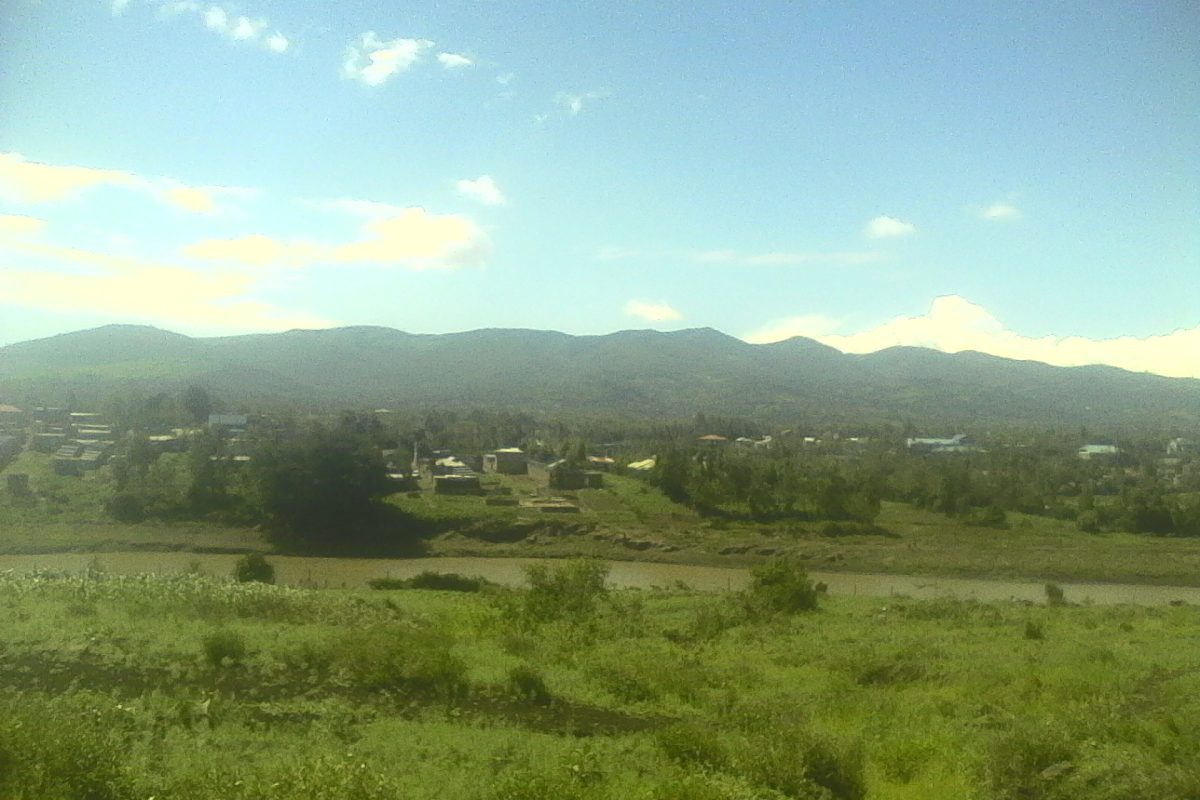
Kiserian enjoys a mild climate year-round, with temperatures rarely straying far from the comfortable +16...+26 °C range. The warmest months—February and March—see daytime highs around +26.4 °C, while the coolest period, July, brings nights as low as +12.4 °C. The rhythm of the seasons here is defined less by temperature and more by rainfall, which shapes the landscape and daily life.
The year in Kiserian splits into distinct wet and dry periods. April, May, and November are the wettest months, with heavy rains transforming the surroundings into lush greenery. In contrast, July and August are the driest, offering clear skies and cooler air. Travelers will find the most predictable weather between January and March, when sunshine and warmth dominate.
Temperature
Temperatures in Kiserian remain steady, with only slight variations across the year. The hottest stretch falls in February and March, when daytime highs reach +26.4 °C, while nights stay mild at +14.7...+15.4 °C. By June and July, the mercury dips, with evenings cooling to +12.4 °C—the lowest of the year. Even then, daytime temperatures hover around +21...+22 °C, making layers a practical choice.
The transition between seasons is gradual, with no extreme shifts. September and October bring a gentle warming, as temperatures climb back toward +24...+25 °C by midday. Nights remain pleasant, rarely dropping below +13 °C even in the coolest months. This consistency makes Kiserian a reliable destination for those who prefer to avoid temperature extremes.
| Month | Minimum | Maximum |
|---|---|---|
| January | 14.6 | 24.8 |
| February | 14.7 | 26.4 |
| March | 15.4 | 26.4 |
| April | 15.5 | 24.7 |
| May | 15 | 23.5 |
| June | 13.1 | 22.3 |
| July | 12.4 | 21.7 |
| August | 12.4 | 22.7 |
| September | 13.4 | 24 |
| October | 14.6 | 25 |
| November | 15.3 | 23.7 |
| December | 14.9 | 23.6 |
Precipitation
Rainfall in Kiserian follows a clear pattern, with two distinct wet seasons. The long rains arrive in April and May, peaking in April with 252.7 mm of rain—nearly a quarter of the year’s total. November brings a shorter but intense wet period, with 185.7 mm of precipitation. These months can see sudden downpours, often in the afternoons, so planning outdoor activities in the mornings is wise.
The dry seasons offer a welcome contrast. July and August are the driest months, with rainfall dropping to just 19–21 mm. January and February also see minimal rain (40.7–88 mm), making them ideal for travel. Even during the wetter months, rain rarely lasts all day, and the landscape quickly bounces back to its vibrant green.
| Month | Precipitation |
|---|---|
| January | 88 |
| February | 40.7 |
| March | 60.4 |
| April | 252.7 |
| May | 160.1 |
| June | 65.8 |
| July | 19 |
| August | 21 |
| September | 39.8 |
| October | 82.5 |
| November | 185.7 |
| December | 102 |
What to pack
For a trip to Kiserian in the dry months—January through March or July through September—light, breathable clothing is key. Days are warm (+22...+26 °C), but evenings can cool to +12...+15 °C, so a light jacket or sweater is useful. A compact umbrella or rain jacket is still worth packing, as brief showers can occur even in the drier periods.
During the wet seasons—April, May, and November—waterproof footwear and quick-dry fabrics become essential. Rainfall is heavy but often short-lived, so layers that can be easily added or removed work well. A sturdy umbrella and a waterproof bag for electronics will help navigate the downpours without hassle. For the cooler nights in June and July, a warmer layer ensures comfort.
| Month | Wind speed |
|---|---|
| January | 4 |
| February | 4.3 |
| March | 4.1 |
| April | 3.1 |
| May | 2.5 |
| June | 2.5 |
| July | 2.3 |
| August | 2.6 |
| September | 2.8 |
| October | 3.6 |
| November | 3.7 |
| December | 4.3 |