Cajamarca
Peru · 6 places
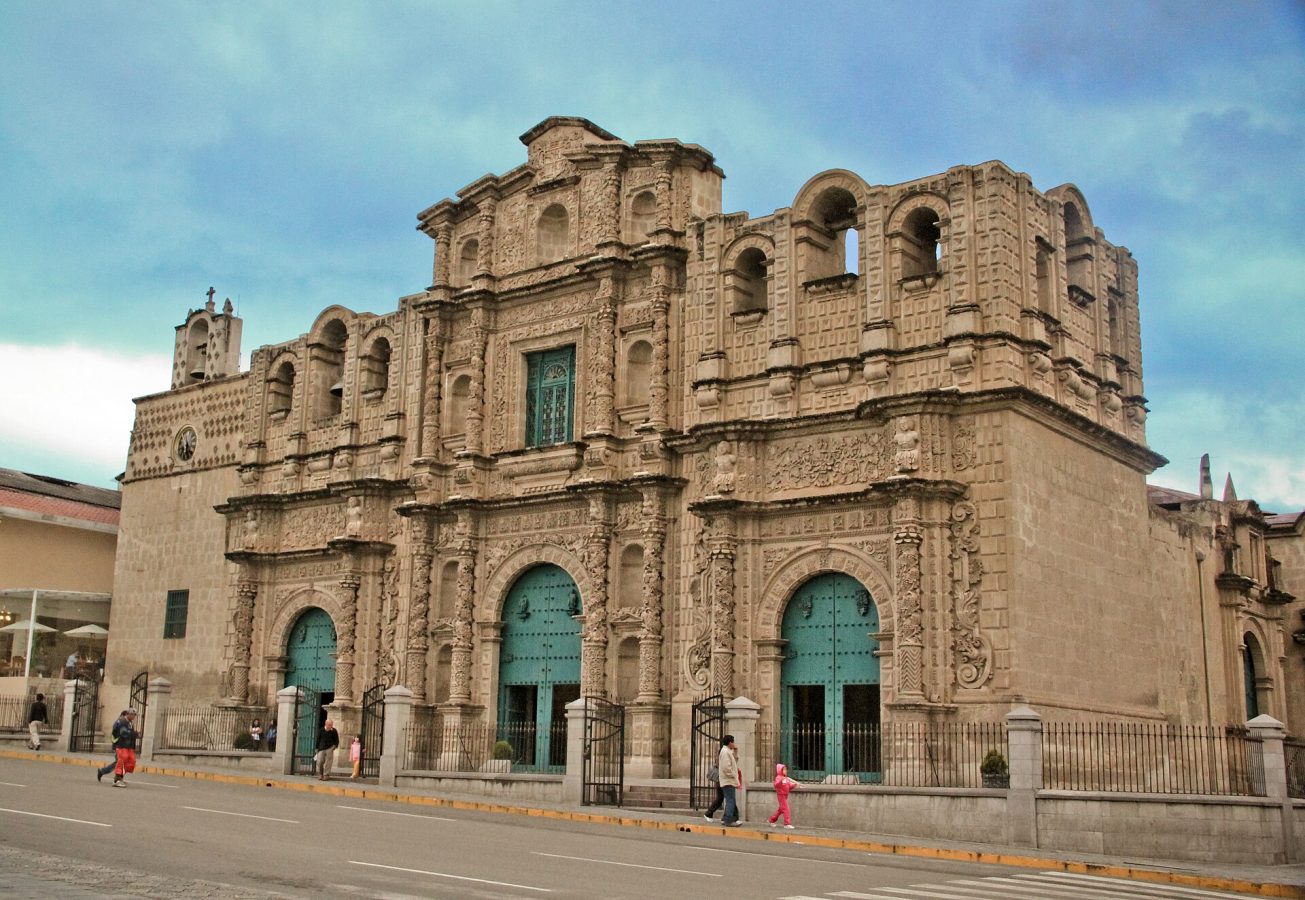
Photo: tehzeta, CC BY-SA 2.0
Cajamarca sits quietly in the northern highlands of Peru, a place where the past lingers in the air like the scent of freshly roasted coffee drifting from a corner café. Perched at over two thousand meters in the Andean foothills, it feels worlds away from the tourist crowds of Cusco or the postcard-perfect ruins of Machu Picchu. Here, the streets are narrow and uneven, worn smooth by centuries of footsteps, and the colonial-era buildings stand shoulder to shoulder with the quiet rhythms of everyday life. The city doesn’t demand attention—it simply exists, offering itself to those who take the time to look.
History hangs heavy over Cajamarca, most notably in the story of Atahualpa, the last Inca emperor, who was captured here by Francisco Pizarro in 1532. The event marked the beginning of the end for the Inca Empire, and the city still carries the weight of that moment. The Plaza de Armas, with its manicured gardens and burbling fountain, is where it all unfolded. The buildings around it, with their ornate balconies and thick wooden doors, whisper of colonial grandeur, while the Ransom Room—a chamber once filled with gold and silver by the Inca in a futile attempt to buy their leader’s freedom—remains one of the city’s most haunting relics. The gold was taken, Atahualpa was executed, and yet the legend of those lost treasures still flickers in the imagination of visitors.
Beyond its historical significance, Cajamarca is a place where Andean traditions breathe in the present. The markets hum with activity in the mornings, where women in vibrant, handwoven clothing sell ears of purple corn, potatoes in every imaginable shape and color, and wheels of fresh cheese. In the surrounding villages, Quechua is still spoken, and artisans craft pottery and textiles using techniques passed down through generations. The city comes alive in February during Carnival, when the streets erupt in music, dance, and the playful drenching of water—a nod to ancient purification rituals. It’s a celebration that feels both joyful and deeply rooted in something older than memory.
Life in Cajamarca moves at its own unhurried pace. There are no tour buses idling at the curb, no vendors hawking trinkets on every corner. Instead, there are small cafés with terraces overlooking the mountains, where the coffee is strong and the view even stronger. Family-run restaurants serve up hearty plates of lomo saltado or steaming bowls of corn and alpaca stew, while in the evenings, the Plaza de Armas becomes a gathering place for locals. Children kick soccer balls under the glow of old-fashioned streetlamps, couples stroll arm in arm, and groups of friends sit on benches, chatting about the day’s events. It’s the kind of place where time feels elastic, where the past isn’t just preserved in museums but woven into the fabric of daily life.
For those willing to venture beyond the city limits, Cajamarca offers a gateway to the raw beauty of the Andes. Nearby hot springs bubble up from the earth, their warm waters surrounded by mist and jagged rock formations. The roads wind through valleys where llamas graze on patchwork fields, and villages cling to hillsides as if frozen in time. A short journey away, the Cabaños de Llangos national park holds ancient cave paintings and petroglyphs, silent witnesses to the people who once called these mountains home. Cajamarca isn’t a place you pass through on your way to somewhere else—it’s a destination in its own right, one that rewards curiosity with quiet moments of connection, whether to history, culture, or the land itself.
Eat & Drink
1 place
Places on the map
Marker colour follows the categoryClimate and weather
Detailed weather: Cajamarca- Average temperature
- 16 °C
- Precipitation per year
- 1675 mm
Average air temperature
°C
16
16
16
16
16
15
15
16
16
16
16
16
Jan
Feb
Mar
Apr
May
Jun
Jul
Aug
Sep
Oct
Nov
Dec