- Home
- Costa Rica
- Cartago

Cartago
Costa Rica · 8 places
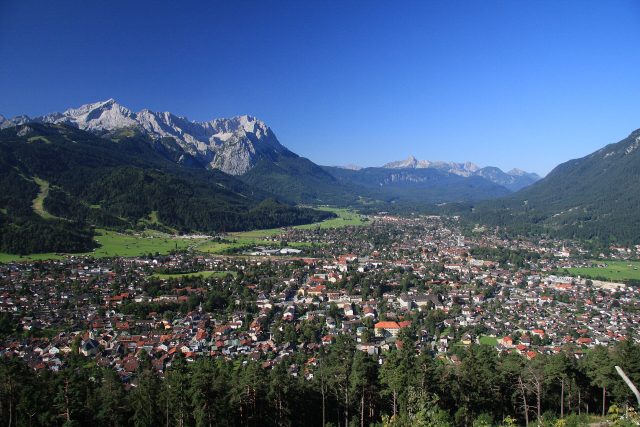
Photo: Magalhães, Public domain
Cartago lingers in the shadow of its own past, a quiet city where Costa Rica’s history feels more tangible than anywhere else. Once the country’s capital, it lost that title long ago to San José, yet it still carries the weight of those early years in its cobblestone streets and colonial facades. The air here is cooler, the pace slower, the light softer—morning mist often clings to the rooftops, and the distant silhouette of Irazú Volcano looms over the valley, its slopes shrouded in cloud. The city doesn’t demand attention; it simply exists, as it has for centuries, a place where time moves differently.
At the heart of Cartago stands the Basílica de Los Ángeles, a pilgrimage site that draws thousands each year. The centerpiece is La Negrita, a small statue of the Virgin Mary carved from dark stone, believed to possess miraculous powers. Every August, the faithful arrive from across the country, walking the last miles barefoot in devotion, their prayers rising with the scent of incense inside the basilica’s hushed, candlelit interior. Even those who don’t share the faith can sense the weight of tradition here—the way the past isn’t just remembered but actively lived, in the murmured prayers and the flicker of votive candles.
Beyond the city, the land tells its own stories. Coffee plantations stretch across the hills, their bright red cherries ripening under the tropical sun. A visit to one of the smaller farms offers a glimpse of the harvest, the earthy aroma of freshly ground beans mixing with the crisp mountain air. Nearby, the ruins of Guayabo hint at an even older history—stone foundations and aqueducts left behind by a civilization long gone. No one knows for certain who built them or why they vanished, but their presence is a quiet reminder of how long this land has been home to human hands.
Cartago moves to its own rhythm, unhurried and unpretentious. There are no flashy resorts or crowded nightlife spots, just a handful of modest cafés serving gallo pinto and casados, the kind of food that tastes like it was made by someone’s grandmother. In the evenings, the central plaza comes alive with families strolling under the trees, street vendors selling fried plantains, and the occasional marimba band playing under the stars. The city doesn’t try to impress; it doesn’t need to. It’s a place where you can sit on a bench, watch the world go by, and understand, in some small way, what makes Costa Rica feel like home.
Eat & Drink
0 placesNothing in this category yet — the catalogue is still growing.
All placesPlaces on the map
Marker colour follows the categoryClimate and weather
Detailed weather: Cartago- Average temperature
- 18 °C
- Precipitation per year
- 1919 mm
- Average humidity
- 88 %
- Sunshine hours per day
- 8.9 h
- Time zone
- UTC-6 (GMT-6)
Average air temperature
°C
17
17
18
19
19
19
19
19
19
18
18
17
Jan
Feb
Mar
Apr
May
Jun
Jul
Aug
Sep
Oct
Nov
Dec