- Home
- Turkmenistan
- Kaká

Kaká
Turkmenistan · 8 places
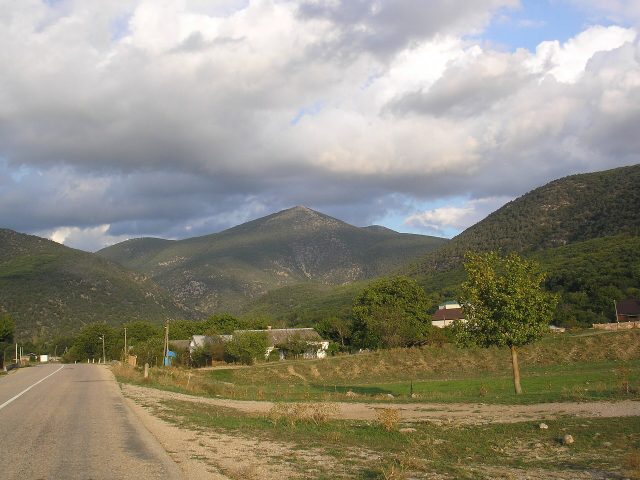
Photo: Toro parcona, CC BY-SA 4.0
Kaka
Kaka sits quietly in the southern reaches of Turkmenistan, where the foothills of the Kopetdag Mountains soften into rolling steppes. There are no tour buses, no souvenir stalls, no crowds—just the rhythm of a town that has barely changed in decades. The air carries the scent of dry earth and sun-warmed grass, and the only sounds are the distant bleating of sheep and the occasional hum of a passing car.
The landscape shifts with the seasons. In spring, wild tulips push through the soil, dotting the hills with red and yellow. By summer, the heat turns the fields golden. Autumn brings orchards heavy with pomegranates and figs, their sweetness in the air. The town itself is unassuming, its low buildings blending into the earth. The central square, with its modest fountain, fills in the evenings when locals gather to talk, sip tea, and watch the day fade.
Kaka is known for its carpets, woven by hand for generations. The patterns are geometric shapes with hints of the region’s nomadic past, mixed with floral motifs. You might find a workshop where women sit at looms, their fingers moving with practiced ease. In small shops, weavers show their work. The price is set, and the transaction is simple. The carpets are pieces of a tradition preserved over time.
Life here moves at its own pace.
The bazaar is quiet, with vendors selling fresh bread from the tandoor, ripe fruit, and spices that release their aroma when crushed. Nearby, an old caravanserai stands as a reminder of trade routes that once passed through. Its walls now hold only echoes. Beyond the town, low mounds mark ancient settlements, their broken pottery scattered among the dust. No signs mark them; they’re part of the landscape, noticed only if you look.
There are no grand hotels in Kaka, just modest guesthouses or the option to stay with a local family. The food is simple: plov with lamb, dumplings stuffed with pumpkin, fresh flatbread. Roadside cafes serve skewers of young mutton, and in the mornings, you can buy hot samsa pastries filled with greens or pumpkin. The people are friendly but not intrusive. They’ll share tea and stories if you start the conversation.
Spring or autumn is the best time to visit, when the weather is mild. Shared taxis run from Ashgabat, or you can drive along the M37 highway, watching the scenery shift from desert to steppe. Kaka isn’t a place for grand adventures. It’s a place to slow down, to sit with tea and watch the light change over the hills, to listen to the quiet when the day’s work is done. Here, Turkmenistan reveals itself in the rhythm of everyday life.
See & Do
All of them
Places on the map
Marker colour follows the categoryClimate and weather
Detailed weather: Kaká- Average temperature
- 18 °C
- Precipitation per year
- 168 mm
Average air temperature
°C
5
7
14
19
25
31
33
29
25
17
10
6
Jan
Feb
Mar
Apr
May
Jun
Jul
Aug
Sep
Oct
Nov
Dec