Annaba
Algiers · 8 places
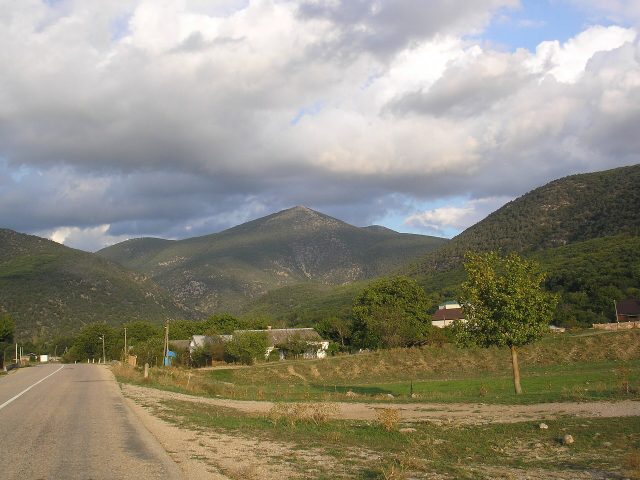
Photo: Dan Sloan, CC BY-SA 2.0
Annaba sits where the Mediterranean meets the foothills of the Atlas Mountains, a place where time moves at its own unhurried pace. Unlike the bustle of Algeria’s larger cities, this one breathes quietly, its streets woven with layers of history and the easy rhythm of daily life. The town sprawls along a bay, framed by hills dotted with olive groves and vineyards. In summer, the air carries the salt of the sea and the warmth of spices; in winter, the scent of woodsmoke drifts from the chimneys of old tile-roofed houses.
Founded by the Phoenicians over three thousand years ago, Annaba has passed through many hands. The Romans knew it as Hippo Regius, a thriving trade hub, and later it became the home of Augustine of Hippo, one of Christianity’s most influential thinkers. His basilica still stands, a towering white structure with columns that draw both pilgrims and curious visitors. The old quarter, the Kasbah, is a maze of narrow lanes where sandstone houses lean into each other, their carved wooden doors opening onto tiny shops selling copperware and cafés where coffee is brewed the Turkish way. Here, the past feels close enough to touch.
Yet Annaba is more than its history. The city lives in the present, too, in the small moments that fill its days. On Place de la Révolution, families gather in the evenings, children kick footballs across the pavement, and old men play dominoes under the shade of palm trees. The El-Haddad market is a riot of noise and colour, where vendors sell everything from the morning’s catch of fish to spices trucked in from the Sahara. In summer, locals flock to the beaches of Cherchell and Ras El Hamra, where the water is clear and the sand soft, though tourists are still a rare sight.
The city has a quiet energy. A university draws students from across the country, theatres host performances, and a small museum displays Roman mosaics and Berber jewellery. Conversations in Arabic and French spill from cafés, often punctuated by laughter or heated debates about football—here, the passion for the game runs as deep as anywhere in Europe. Spring brings blooming flowers, autumn yields grapes for local wine, and in winter, snow sometimes dusts the hills, though it never reaches the sea.
Annaba doesn’t try to be like other Algerian or Mediterranean cities. There are no grand resorts or tourist traps, just the sense that the place exists for itself, not for visitors. That authenticity is why some return, years after their first visit—to stroll the waterfront, browse an old bookshop, or sit by the sea as the sunset turns the water pink. It’s a city that doesn’t demand attention but rewards those who take the time to notice.
See & Do
All of them

Places on the map
Marker colour follows the categoryClimate and weather
Detailed weather: Annaba- Average temperature
- 18 °C
- Precipitation per year
- 598 mm
- Sunshine hours per day
- 7.9 h
Average air temperature
°C
11
12
14
16
19
23
26
26
24
21
16
13
Jan
Feb
Mar
Apr
May
Jun
Jul
Aug
Sep
Oct
Nov
Dec