- Home
- South Korea
- Jeju
Jeju
South Korea · 6 places
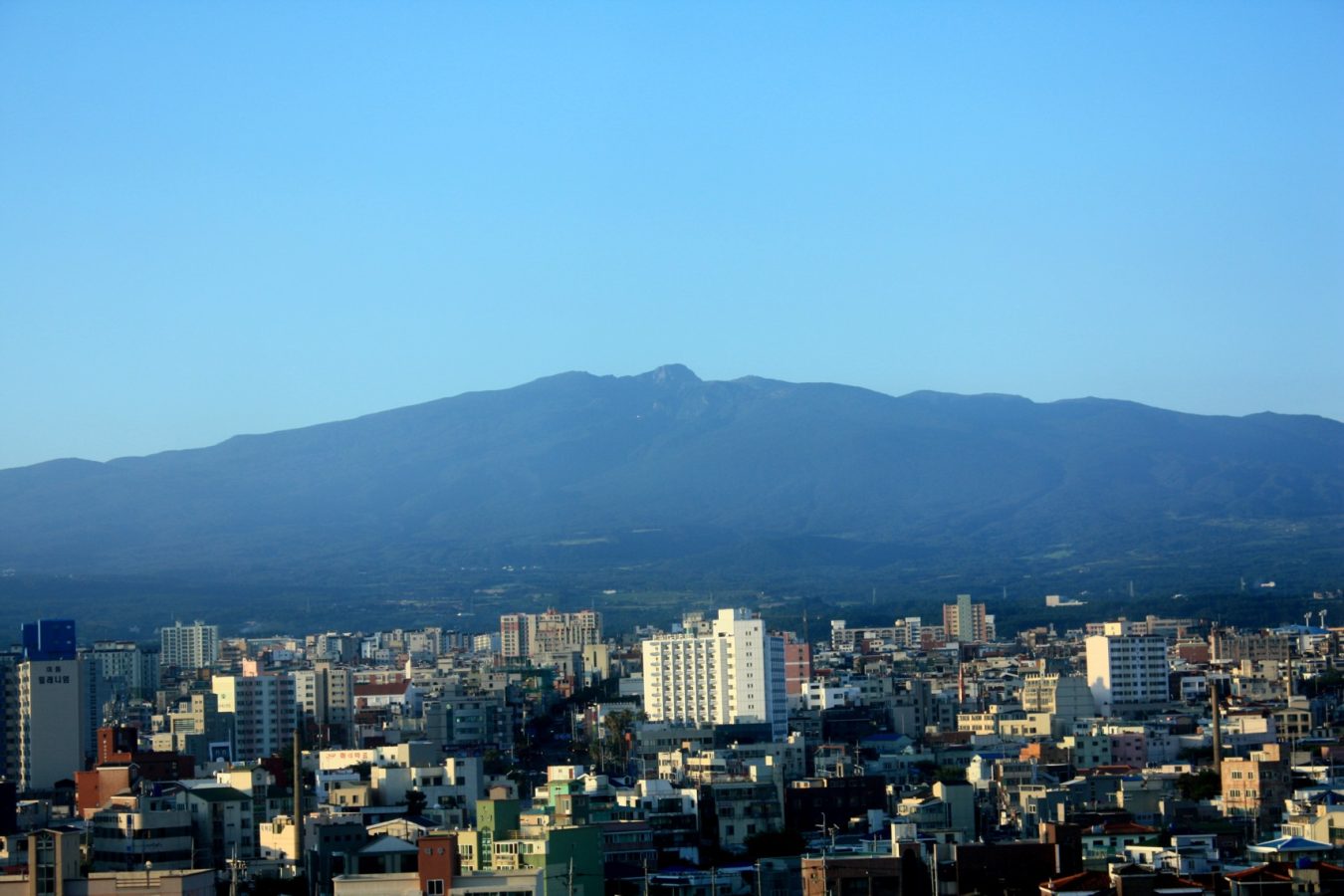
Photo: J. Patrick Fischer, CC BY-SA 3.0
Jeju is an island that feels like it was pulled from an old legend, yet it moves to the rhythm of modern life. Here, volcanic landscapes meet black sand beaches, and ancient myths of goddesses and dragons blend with the laid-back pace of seaside towns. Unlike the rest of South Korea, Jeju has no sprawling cities or crowded streets—just open space, quiet, and the sense that time moves a little slower. You could spend a week on a single stretch of shore or drive around the entire island in a couple of days, stopping at waterfalls, lava caves, and fishing villages along the way.
The island’s geology tells a story of fire and time. Born from underwater volcanic eruptions millions of years ago, Jeju still bears the marks of its dramatic past. The most striking feature is Hallasan, a dormant volcano that rises nearly two thousand meters above sea level. Its slopes are covered in dense forests, and at the summit lies a crater lake that freezes into a sheet of ice in winter. Dozens of trails wind around the mountain, from short walks to multi-day hikes, each offering a different perspective of the island. On clear days, the view stretches to the sea in every direction; in the mist, Hallasan feels like a place where earth and sky meet.
Jeju’s culture stands apart from the mainland. Some traditions that faded elsewhere still thrive here, like the haenyeo—women divers who harvest seafood without oxygen tanks—or the stone statues called *dol hareubang*, guardians against evil spirits. Locals speak a dialect that even other Koreans sometimes struggle to understand, and the island’s cuisine is built around fresh seafood, sea urchins, and seaweed. There are few grand museums or theaters, but the connection to nature and history feels immediate, not locked behind glass.
The beaches here are unlike the golden sands of typical resorts. Instead, you’ll find black volcanic shores, moss-covered rocks, and waves that crash against the coast with raw power. Jeongjoni Beach is the most famous, warm enough for swimming in summer and dramatic enough to watch storms roll in during winter. Along the coast, fishing villages come alive at dawn with the day’s catch, while lantern-lit boats dot the water at dusk. Away from the main routes, hidden coves offer solitude, where the sea stretches endlessly and the only sound is the wind.
Jeju doesn’t try to be like other destinations. There are no skyscrapers, no theme parks, no crowds jostling for space. Instead, there are quiet cafés with ocean views, roads winding through lava fields, and the feeling that the island follows its own rules. Rent a car and set off without a plan, stopping wherever you like—a waterfall, a bamboo grove, a secluded beach. Or just sit by the shore, listen to the waves, and let the island remind you what it’s like when nature and people still move in step.
Eat & Drink
0 placesNothing in this category yet — the catalogue is still growing.
All placesPlaces on the map
Marker colour follows the categoryClimate and weather
Detailed weather: Jeju- Average temperature
- 17 °C
- Precipitation per year
- 1648 mm
- Sunshine hours per day
- 5.3 h
Average air temperature
°C
7
7
11
15
19
23
28
29
25
19
14
9
Jan
Feb
Mar
Apr
May
Jun
Jul
Aug
Sep
Oct
Nov
Dec


