- Home
- Dominican Republic
- Iguazú

Iguazú
Dominican Republic · 8 places
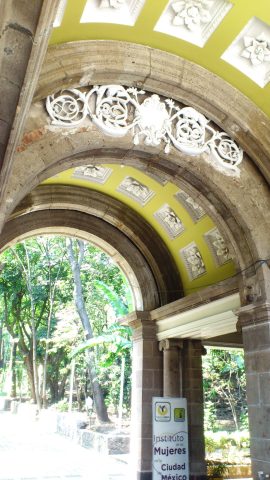
Photo: Mario Rubio, CC BY 2.0
Iguey feels like a place where time has paused, leaving behind the unfiltered soul of the Dominican Republic. Unlike the crowded resorts and tourist hubs along the coast, this town sits quietly in the heart of the country, untouched by the gloss of vacation brochures. Its streets are narrow and winding, lined with pastel-colored houses that seem to whisper stories of the past. There are no grand hotels or neon signs here—just the everyday rhythm of life, as it’s been for centuries.
Founded in the early 1500s, Iguey was one of the first Spanish settlements on the island, and its name still carries the echo of its indigenous roots. The word comes from the Taíno language, meaning a place where ceiba trees grow—sacred giants that once towered over the land. A few of these ancient trees still stand on the outskirts, their sprawling branches shading the rooftops below. The town center has preserved its colonial charm, with wooden balconies and wrought-iron railings framing the main square. In the evenings, families gather here, children chase each other under the palm trees, and elders share stories over the rustle of leaves.
This is a town of craftsmen, where traditions are kept alive in small workshops. You’ll find artisans rolling cigars by hand, weaving baskets from palm leaves, and carving wooden saints with patient precision. The local market isn’t just for souvenirs—it’s a treasure trove of folk art, from vibrant textiles to handmade jewelry strung with seeds and shells. Iguey is especially known for its musical instruments; the sound of drums, maracas, and guitars fills the air during festivals. If you’re lucky, you might stumble upon a rehearsal or an impromptu street performance, where the music feels as natural as the breeze.
Life here moves at its own unhurried pace. Mornings begin with the scent of strong coffee, sipped on wooden benches as the town slowly wakes up. By midday, the heat drives everyone indoors for siesta, and the streets grow quiet. But as the sun dips lower, the town comes alive again. Cafés open their doors, serving up hearty plates of fried pork with cassava, stewed beans and rice, or sweet caramelized plantains. On weekends, the square transforms into a lively market, where vendors sell homemade cheeses, ripe tropical fruits, and fragrant spices. Under the twinkling lights, the music of merengue and bachata spills into the streets, and everyone—from toddlers to grandparents—joins in the dance.
Iguey isn’t like the other cities in the Dominican Republic. There are no luxury resorts or thumping nightclubs, no polished facades hiding the real country. Instead, it offers something rarer: authenticity. This is a place for travelers who want to see beyond the postcard image, to experience the Dominican Republic as it’s always been—unhurried, warm, and just a little mysterious. In Iguey, time doesn’t rush. It lingers, inviting you to slow down and understand why this land has always felt like home to those who call it theirs.
Stay
0 placesNothing in this category yet — the catalogue is still growing.
All placesPlaces on the map
Marker colour follows the categoryClimate and weather
Detailed weather: Iguazú- Average temperature
- 26 °C
- Precipitation per year
- 942 mm
Average air temperature
°C
25
25
25
26
27
28
28
28
28
27
26
25
Jan
Feb
Mar
Apr
May
Jun
Jul
Aug
Sep
Oct
Nov
Dec