Guanare
Venezuela · 8 places
Photo: Alice Riobueno, CC BY-SA 3.0
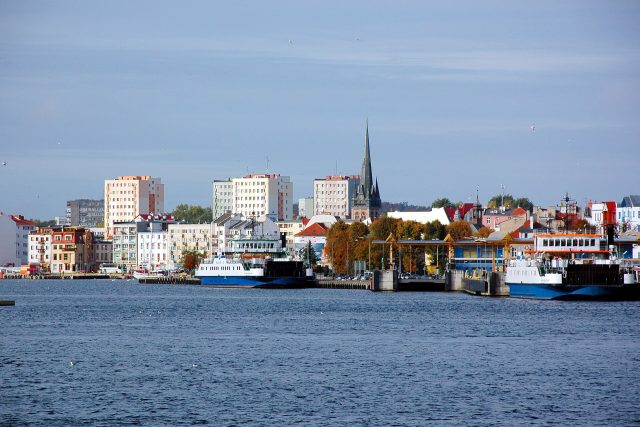
Guanare is the kind of place that doesn’t reveal itself at first glance. It doesn’t sit on the well-trodden tourist trails, nor does it dazzle with neon lights or draw crowds of visitors. Instead, it moves at its own unhurried pace—wide, tree-lined streets, low-slung houses with terracotta roofs, and a central square where locals gather by the fountain as evening falls. As the capital of Portuguesa state, it’s one of those Venezuelan towns where life unfolds according to its own quiet logic, a rhythm that might feel foreign to outsiders at first. But that’s where its charm lies.
Founded in the mid-18th century as a missionary outpost, Guanare still carries the echoes of its colonial past. The city’s most striking landmark is the Basílica Catedral de Nuestra Señora de Coromoto, named after Venezuela’s patron saint. The whitewashed church, with its twin towers, dominates the skyline, visible from miles away. Inside, the air is cool and dim, scented with candle wax, and behind the altar rests a small statue of the Virgin Mary—a relic said to have appeared to a local indigenous man in the 17th century. According to legend, the vision led him to convert, and the image became a national symbol. Every September, thousands of pilgrims flock here, turning Guanare into the heart of Venezuela’s religious devotion for a brief, intense moment.
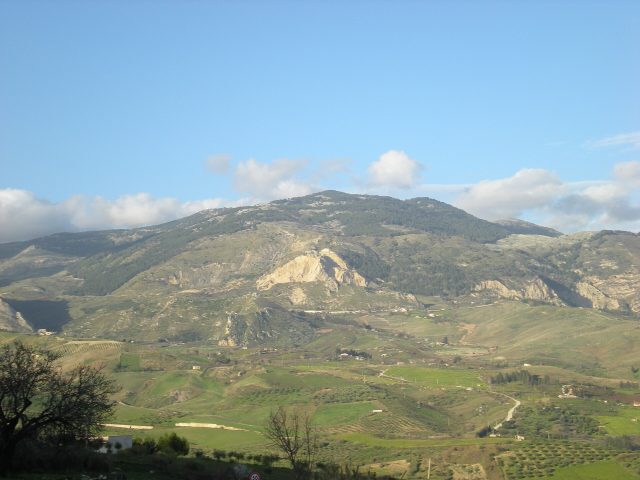
Beyond the city limits, the vast plains of the *llanos* stretch endlessly—flat as a table, covered in tall grass, and home to the *llaneros*, Venezuela’s cowboys. They still ride horseback, play the four-stringed *cuatro*, and sing ballads under the open sky. During the rainy season, the plains flood, transforming into a vast, shallow lake where boats glide between clusters of palm trees. The weather here follows its own rules: cool mornings, scorching afternoons, and evenings that bring a sudden, refreshing chill. Wildlife thrives in these parts—caimans lurking in the water, howler monkeys in the trees, and if you’re lucky, the rare sight of a giant anteater ambling across the grass.
Life in Guanare is unassuming. The market bustles with vendors selling fresh fruit, grilled meat, and homemade cheese, while cafés serve thick, milky coffee and *arepas*—the cornmeal flatbreads that are a staple of Venezuelan breakfasts. There’s no rush here. People linger on benches, chatting for hours, or stroll along the banks of the Guanare River, which winds lazily through the city. You won’t find luxury hotels or Michelin-starred restaurants, but what you will find is something rarer: the quiet authenticity of a place where life isn’t performed for visitors but simply lived.
Guanare won’t be the subject of travel brochures or glossy documentaries. It doesn’t demand attention, and that’s precisely why it lingers in the memory. There’s no pressure to see or do anything in particular—just the chance to slow down, to watch, to breathe. The city meets you where you are, offering a glimpse of Venezuela’s provincial heart, far from the noise of the capital. Maybe that’s the real draw: the quiet invitation to step into a rhythm that feels entirely, refreshingly human.
Eat & Drink
1 place
Places on the map
Marker colour follows the categoryClimate and weather
Detailed weather: Guanare- Average temperature
- 27 °C
- Precipitation per year
- 1459 mm
Average air temperature
°C
27
28
29
28
27
26
26
26
27
27
27
27
Jan
Feb
Mar
Apr
May
Jun
Jul
Aug
Sep
Oct
Nov
Dec