- Home
- United States
- Grand Canyon Village
Grand Canyon Village
United States · 8 places
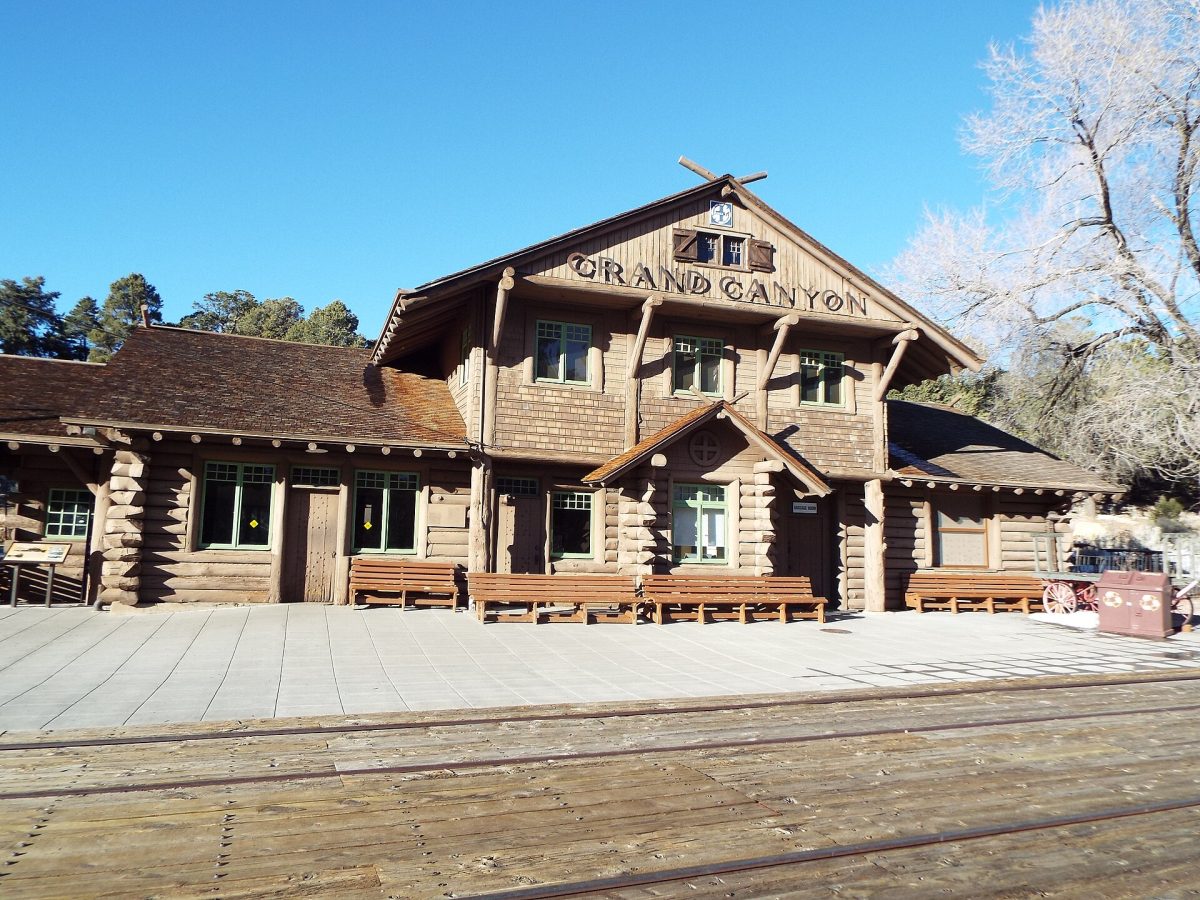
Photo: Marine 69-71, CC BY-SA 4.0
Grand Canyon Village isn’t just a place on the map—it’s the threshold to one of the most breathtaking landscapes on earth. Perched on the South Rim of the Grand Canyon, this small settlement exists almost entirely for one purpose: to give visitors a front-row seat to the vast, winding chasm carved by the Colorado River over millions of years. There are no skyscrapers or crowded streets here, just a quiet, unassuming cluster of lodges, wooden cabins, and rustic cafés that blend into the pine-studded landscape. The moment you step outside, the grandeur of the canyon is impossible to ignore, its layered cliffs stretching endlessly into the distance like a living painting.
The village itself is small, but its location is everything. From here, the canyon unfolds in all its shifting moods—soft pinks and golds at dawn, deep reds and ochres by midday, and a slow burn of purples and oranges as the sun dips below the horizon. A handful of overlooks, each with its own character, offer the best views: Mather Point, where the sheer scale of the canyon hits you all at once; Yavapai Point, with its geological exhibits and sweeping vistas; and Yaki Point, quieter and more intimate, where the layers of rock tell a story older than humanity. Standing at the edge, it’s hard not to feel both insignificant and deeply connected to something far greater than yourself.
Life here moves at the pace of the land. There are no neon lights or shopping malls, just well-worn trails leading to the canyon’s edge or down into its depths. The Bright Angel Trail starts right in the village, winding its way to the Colorado River through a series of switchbacks that reveal new perspectives with every turn. For those who prefer not to hike, mule rides and shuttle tours offer a gentler way to explore, stopping at key viewpoints along the rim. The air is crisp, the silence broken only by the occasional call of a raven or the distant rush of the river far below.
Beyond the natural wonders, the village is a place where the human history of the canyon comes to life. A small museum delves into the geology and anthropology of the region, while the cultural center of the Havasupai people—who have called this land home for centuries—offers a glimpse into their traditions. In the summer, visitors can watch traditional dances or try their hand at crafts like basket weaving, a quiet reminder that this landscape has been lived in, revered, and protected long before it became a national park. Winter transforms the village into a hushed retreat, where snow dusts the rim and the canyon’s colors take on a softer, more muted beauty.
Getting here is part of the experience. The nearest major airport is in Flagstaff, a scenic drive away through ponderosa forests and high desert plains, but many choose to arrive by car, winding along roads that feel like they’re leading to the edge of the world. There are no luxury resorts or nightclubs, and that’s the point—this is a place to step away from the noise and focus on what matters. The village doesn’t try to compete with the canyon; it simply lets the canyon speak for itself, in all its quiet, overwhelming majesty. And once you’ve stood at the rim, watching the light play across the ancient rock, it’s a sight that stays with you long after you’ve left.
Stay
0 placesNothing in this category yet — the catalogue is still growing.
All placesPlaces on the map
Marker colour follows the categoryClimate and weather
Detailed weather: Grand Canyon Village- Average temperature
- 15 °C
- Precipitation per year
- 171 mm
Average air temperature
°C
2
5
10
14
20
25
29
27
23
15
7
2
Jan
Feb
Mar
Apr
May
Jun
Jul
Aug
Sep
Oct
Nov
Dec