Gikongoro
Rwanda · 8 places
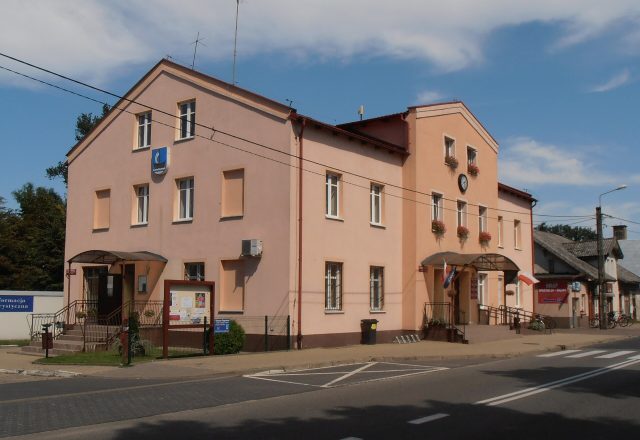
Photo: Diego Tirira from Quito, Ecuador, CC BY-SA 2.0
Gikongoro sits quietly in the southern hills of Rwanda, far from the usual tourist trails. The air is crisp with the scent of damp earth and distant coffee groves, and the pace of life moves to the rhythm of the seasons rather than the ticking of a clock. The landscape unfolds in gentle waves—rolling hills, terraced fields of beans and bananas, and the slow curve of the Nyabarongo River cutting through the valley. Children kick dusty soccer balls along the roads, and in the evenings, the sound of traditional songs drifts from open doorways. There’s no postcard perfection here, just the unfiltered reality of a place where people work the land, trade at the market, and carry on with the quiet business of living.
The weight of history lingers in Gikongoro, most notably in the shadow of 1994. On the outskirts of town, a memorial stands as a stark reminder of the genocide that tore through the country. Photographs of the lost line the walls, alongside personal belongings recovered from the aftermath—clothes, tools, fragments of lives interrupted. It’s impossible to stand there and not wonder how a nation could rebuild itself from such devastation. Yet today, the people of Gikongoro do just that, moving forward without turning away from the past. The memorial isn’t just a place of mourning; it’s a testament to resilience, a quiet insistence that memory and progress can coexist.
Beyond the town, the landscape opens up into something wild and untamed. The volcanic lakes to the north shimmer under the equatorial sun, while the Nyungwe Forest stretches out in a dense, emerald expanse, home to chimpanzees and rare birds. Hiking trails wind through the hills, leading to hidden waterfalls like Musingo, where the water crashes down into a misty gorge. There are no paved paths or tourist signs—just narrow footpaths worn by generations of farmers and the occasional guide who knows the land like the back of their hand. They’ll point out medicinal plants, explain the old traditions, or simply walk in silence as the valley unfolds below. It’s the kind of place where you have to slow down, where the lack of infrastructure isn’t a drawback but part of the appeal.
Mornings in Gikongoro start at the market, where women in brightly patterned dresses arrange piles of sweet potatoes, avocados, and fiery red chilies. The air hums with bargaining and laughter, the scent of roasting maize mixing with the earthy tang of fresh produce. By evening, the town settles into a different kind of rhythm. Small roadside stalls serve *ugali*—a thick, cornmeal porridge—with stewed greens or fried fish pulled from the river that morning. There are no hotels, just a handful of guesthouses or the option to stay with a local family, where you might find yourself sharing a meal of beans and *isombe* (cassava leaves cooked in peanut sauce) by the light of a kerosene lamp. The hospitality isn’t polished, but it’s genuine—people here don’t perform for visitors, but if you arrive with curiosity rather than expectations, you’ll be welcomed with warmth.
This isn’t a place for those seeking luxury or neatly packaged experiences. Gikongoro doesn’t offer grand monuments or Instagram-worthy vistas, just the raw, unvarnished truth of Rwanda’s heartland. It’s the kind of town that forces you to engage, to sit with discomfort and beauty in equal measure. Walk the hills at dawn, when the mist still clings to the valleys. Strike up a conversation with a farmer tending his fields. Listen to the stories of those who lived through the unimaginable and chose to keep going. You might leave with more questions than answers, but you’ll also leave with something rare: the sense of having touched a place that refuses to be forgotten.
Stay
1 placePlaces on the map
Marker colour follows the categoryClimate and weather
Detailed weather: Gikongoro- Average temperature
- 19 °C
- Precipitation per year
- 1580 mm
Average air temperature
°C
19
19
20
19
19
19
20
20
20
20
19
19
Jan
Feb
Mar
Apr
May
Jun
Jul
Aug
Sep
Oct
Nov
Dec