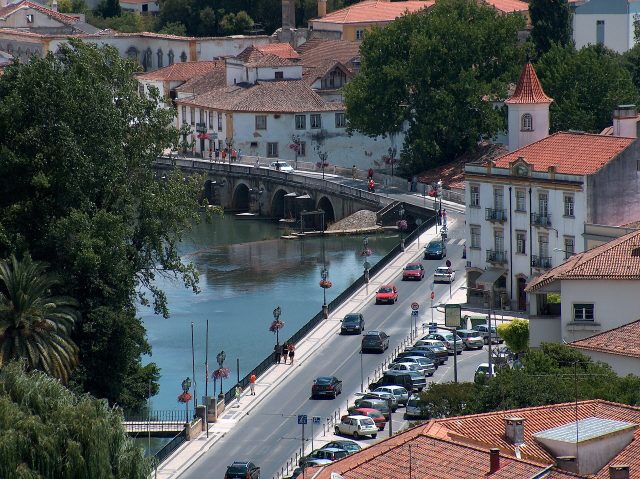
Al-Thawra Dam
Syria · 8 places
Photo: Valdemar Bednarz, CC BY-SA 4.0
Tabqa sits quietly on the banks of the Euphrates, a place most travelers overlook. That’s part of its charm. There are no crowds here, no souvenir stalls or tour buses lining the streets. Instead, the city moves at the pace of the river—slow, steady, unhurried. Low stone houses, their walls bleached by the sun, line narrow streets where children play and old men sit outside small shops, sipping tea. The air carries the scent of freshly baked bread and the earthy richness of the surrounding farmland, where cotton, wheat, and fruit have been grown for generations. Life here hasn’t changed much in decades, and that’s exactly why it feels so real.
The heart of Tabqa’s story is the Tabqa Dam, built in the 1970s. It tamed the Euphrates, creating Lake Assad, one of Syria’s largest artificial lakes. The dam brought electricity and irrigation to the region, and the lake became a new kind of lifeline—fishermen now cast their nets where farmers once worked the land, and families gather on its shores for picnics. Yet the city itself remains untouched by the kind of development that transforms other places. It’s as if Tabqa exists in two worlds at once: one shaped by modern engineering, the other stubbornly holding onto the rhythms of the past.
Just beyond the city lie the ruins of Dura-Europos, a once-thriving outpost where Roman legions, Parthian traders, and Sassanian rulers all left their mark. The crumbling walls and half-buried temples tell stories of empires that rose and fell here, but for the people of Tabqa, these ruins are just part of the landscape. There are no guided tours or gift shops, no signs pointing visitors toward the past. The ruins simply exist, as they have for centuries, blending into the dust and the wind.
Tabqa isn’t a place for luxury or spectacle. There are no grand hotels or restaurants with white tablecloths, just small cafés serving strong coffee and flatbread, markets selling fresh produce, and guesthouses that feel more like a neighbor’s spare room than a tourist stop. But that’s the point. This is Syria without the filters—no curated history, no performative hospitality, just the quiet hum of daily life. The fields still need tending, the river still needs fishing, and the sunsets over the Euphrates still demand to be watched. For those who come, it’s not about what they’ll see, but what they’ll feel: the weight of time, the warmth of a place that doesn’t try to impress, and the rare sense of stepping into a world that hasn’t been packaged for outsiders.
See & Do
8 places
Places on the map
Marker colour follows the categoryClimate and weather
Detailed weather: Al-Thawra Dam- Average temperature
- 18 °C
- Precipitation per year
- 357 mm
Average air temperature
°C
7
8
11
16
22
27
29
29
26
21
13
8
Jan
Feb
Mar
Apr
May
Jun
Jul
Aug
Sep
Oct
Nov
Dec