
Edea
Cameroon · 8 places
Photo: G2, CC BY-SA 3.0
Édéa
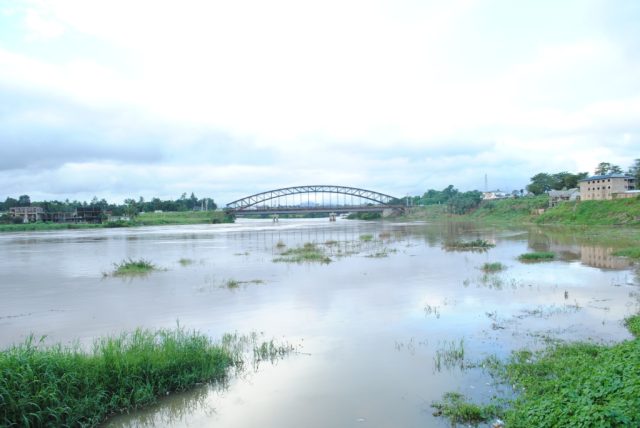
Édéa stands where Cameroon’s equatorial forests meet its industrial south. The Sanaga River splits the city, its slow current shaping the rhythm of life here. There are no tourist crowds, no polished attractions—just a place that exists between two worlds, neither resisting change nor chasing it.
In the early 20th century, Édéa began as a trading post. Its location along the Sanaga turned it into a key hub. By the 1950s, one of Africa’s first hydroelectric dams was built here, its turbines still supplying power to much of the country. Factories rise beside palm groves, and the streets, once packed with trucks carrying cocoa and bananas, now hum with motorbikes. The city has no skyscrapers—just the quiet pulse of a working town where every neighborhood tells its own story.
The river and the seasons dictate life here. When the rains come, the city blurs into green, streets turning into streams where children float homemade boats. In the dry season, dust hangs in the air, mingling with the smell of grilled fish from the riverbank. Most locals belong to the Bassa and Bantu communities. They keep their traditions but welcome outsiders without ceremony.
You won’t find fancy restaurants or cafés. Small eateries serve fufu with spicy sauce or fried plantains. Sit down, and you’re part of the day’s flow.
Édéa isn’t for those who want postcard-perfect sights. There are no ancient temples or white-sand beaches—just the kind of place that rarely makes it into guidebooks. It attracts people who want to see Cameroon as it is, not as it performs for visitors.
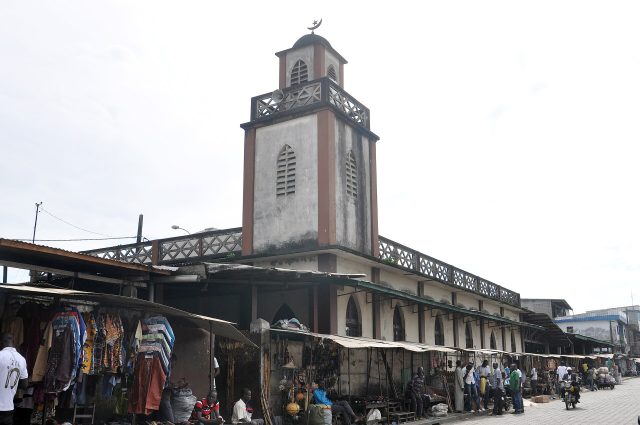
Walk along the riverfront and watch fishermen return with their catch. Wander through the market, where stalls spill over with pineapples, hand-carved wooden figures, and more. If you’re there during a festival, the streets fill with drumming, dancing, and the sound of the kora.
Beyond the city, forests and plantations stretch out, growing cocoa, coffee, and rubber. Nearby, Mbam and Djerem National Park—one of Cameroon’s largest—is home to elephants, buffalo, and rare birds. The roads are rough, but the reward is a glimpse of the country’s wild side.
Édéa isn’t just a city. It’s a gateway to a quieter, wilder Cameroon. There’s no rush here—just the steady rhythm of life along the river.
See & Do
8 places


Places on the map
Marker colour follows the categoryClimate and weather
Detailed weather: Edea- Average temperature
- 27 °C
- Precipitation per year
- 3373 mm
- Sunshine hours per day
- 5.1 h
Average air temperature
°C
28
29
28
28
28
27
26
26
26
26
27
28
Jan
Feb
Mar
Apr
May
Jun
Jul
Aug
Sep
Oct
Nov
Dec


